GET SOCIAL WITH US
RECENT ARTICLES


Newsletter
Keep up-to-date with the latest promotions, news and releases!
Why Do Tunnels Fall Out? Common Causes and How to Prevent It

If you've ever looked in the mirror only to realise one of your tunnels has disappeared, you're certainly not alone. Whether your tunnel has fallen out while sleeping, exercising or simply going about your day, it can be both frustrating and expensive if the jewellery is lost.
Fortunately, tunnels do not usually fall out without a reason. In most cases, it comes down to factors such as the style of tunnel, the fit, your ear size, the material, or the condition of your jewellery.
Understanding why tunnels fall out can help you choose jewellery that fits more securely while keeping your stretched ears comfortable and healthy.
Your Tunnels May Be Too Small for Your Stretch

One of the most common reasons tunnels fall out is that your stretched ears have naturally loosened over time.
Healthy stretched lobes remain elastic, and after months or years at the same size, they may gradually become more relaxed. If your tunnels move freely with very little resistance, they are more likely to slip out when bending over, changing clothes or sleeping.
This is especially common after wearing heavier jewellery such as ear weights or solid steel plugs, which may temporarily loosen the stretch.
If your jewellery feels noticeably loose every day, it may be worth considering whether your ears are ready for the next size. However, stretching should always be carried out gradually using appropriate stretching methods rather than relying on heavy jewellery.
The O-Rings May Have Worn Out
If you wear single flare tunnels, the O-rings play an important role in keeping the jewellery securely in place.
Over time, rubber O-rings can stretch, harden or become damaged through regular wear, cleaning products and natural ageing. Once they lose their elasticity, they are far less effective at holding the tunnel in position.
A missing or worn O-ring can allow the tunnel to slide straight through the piercing, particularly if your ears are already slightly loose.
Replacing O-rings regularly is an inexpensive way to keep your tunnels secure and prevent unnecessary jewellery loss.
Your Tunnels May Not Have Enough Wearable Area

Not all tunnels are manufactured with the same wearable length.
The wearable area is the section of the jewellery that actually sits inside your stretched lobe. If this section is too short for your ear thickness, the flare may not sit correctly against the skin.
This can make the jewellery feel unstable and increase the chances of it working its way loose during normal daily activities.
People with thicker lobes often benefit from tunnels with a slightly longer wearable area, allowing the jewellery to sit more securely.
The Material Can Affect Grip

Different materials interact with your skin in different ways.
Highly polished materials such as glass, titanium and surgical steel have very smooth surfaces. While this makes them comfortable to wear and easy to clean, it can also make them more likely to slide if the fit is already loose.
Silicone tunnels often create more friction against the skin, helping them stay in place more securely during everyday wear. However, silicone should only be worn in fully healed stretches.
The choice of material alone will not solve a sizing problem, but it can influence how securely your jewellery feels throughout the day.
Sleeping Can Cause Tunnels to Fall Out
Many people discover missing tunnels after waking up.
Turning during sleep places pressure on your ears, particularly if you sleep on your side. Repeated movement against your pillow can gradually push jewellery out of the piercing without you noticing.
This is more common with single flare tunnels if the O-ring moves during the night or with loose-fitting double flare tunnels that can gradually work free.
If you regularly lose tunnels while sleeping, consider wearing more secure jewellery overnight or removing heavier decorative pieces before going to bed.
Double Flare Tunnels Require the Correct Fit
Double flare tunnels remain popular because they do not require O-rings and create a clean, symmetrical appearance.
However, they rely entirely on the flare sitting securely behind the stretched lobe.
If your ears are particularly loose or your tunnel is slightly undersized, the flare may no longer provide enough resistance to keep the jewellery in place.
Likewise, if your ears have shrunk slightly after not wearing jewellery for a period of time, inserting double flare tunnels may become difficult or uncomfortable.
Heavy Daily Activity Can Loosen Jewellery
Exercise, running, manual work and other physically active lifestyles can all increase the chances of tunnels becoming loose.
Repeated movement causes jewellery to shift slightly throughout the day. Clothing, headphones, hats and helmets can also catch on tunnels without you noticing.
If you lead an active lifestyle, choosing lightweight tunnels with a secure fit can reduce the likelihood of losing your jewellery.
Temperature Can Affect Your Stretch
Many people do not realise that temperature can influence how jewellery fits.
Warm weather may increase blood flow slightly, making the ears feel more relaxed, while colder temperatures can temporarily make tissue feel tighter.
Although these changes are usually subtle, they may explain why your tunnels feel looser on some days than others.
This is perfectly normal and simply reflects how the body naturally responds to changes in temperature.
How to Stop Your Tunnels Falling Out
Preventing tunnels from falling out usually comes down to choosing jewellery that fits correctly and maintaining it properly.
Regularly inspect O-rings for signs of wear and replace them when necessary. Make sure your jewellery is the correct gauge and has an appropriate wearable length for your ears.
If your stretched ears have naturally loosened over time, avoid relying on oversized flares to compensate. Instead, consider whether you are ready to stretch safely to the next size if that is your goal.
For everyday wear, many people find that lightweight tunnels made from quality materials provide the best combination of comfort and security.
When Should You Replace Your Tunnels?
Even high-quality tunnels do not last forever.
If threading becomes damaged, O-rings repeatedly slip off, flares become chipped or silicone begins to tear, replacing the jewellery is usually the safest option.
Damaged jewellery not only increases the likelihood of losing your tunnels but may also become uncomfortable or cause unnecessary irritation to your stretched ears.
Regularly inspecting your jewellery helps identify problems before they lead to lost tunnels or damaged piercings.
Final Thoughts
Tunnels can fall out for a variety of reasons, but the cause is usually easy to identify once you understand how your jewellery fits and behaves. Loose stretches, worn O-rings, incorrect wearable length, sleeping habits and everyday movement can all contribute to jewellery working its way free.
Choosing high-quality tunnels that fit correctly, replacing worn components and paying attention to how your ears change over time will help keep your jewellery secure. With the right fit and regular maintenance, your tunnels should stay comfortable, secure and exactly where they belong.
BESTSELLERS

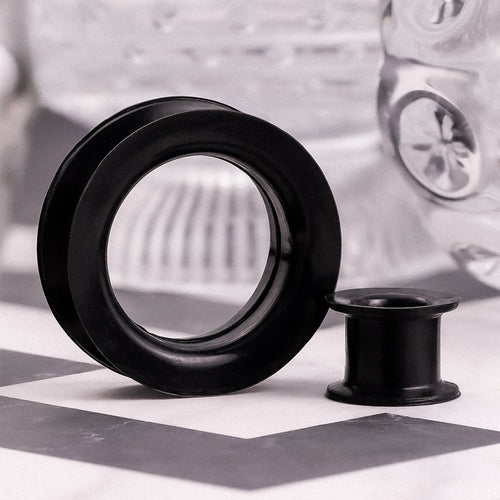
Black Silicone Ear Tunnel
from
£3.00
-v1657710003014.jpg?512x640&transform=resize=350)
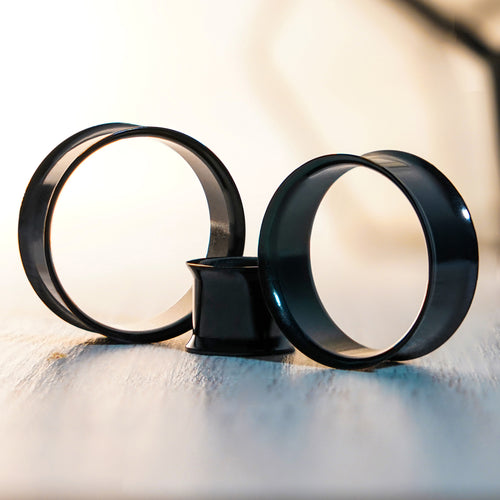
Black Stainless Steel Double Flared Tunnel
from
£7.00
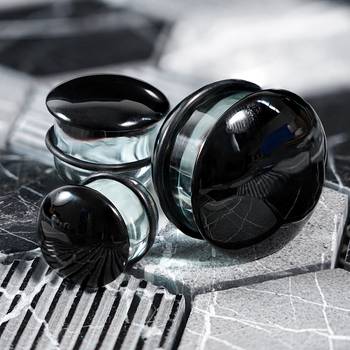
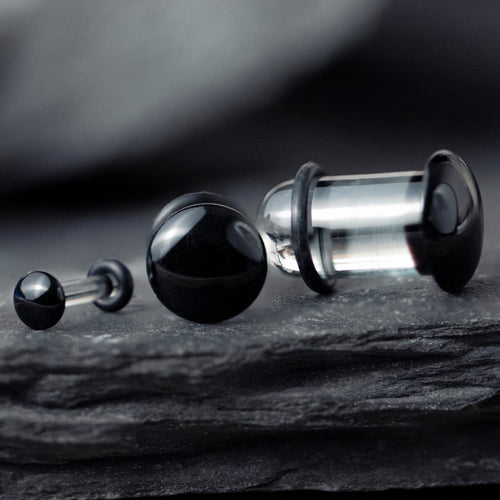
Clear & Black Single Flare Glass Plug / Gauge
from
£5.00
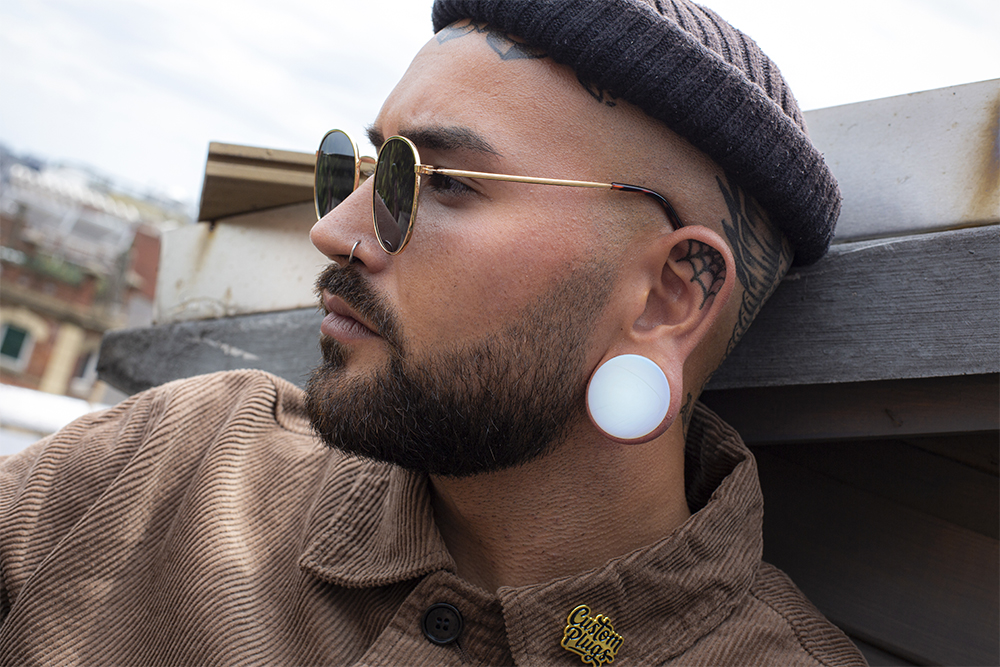
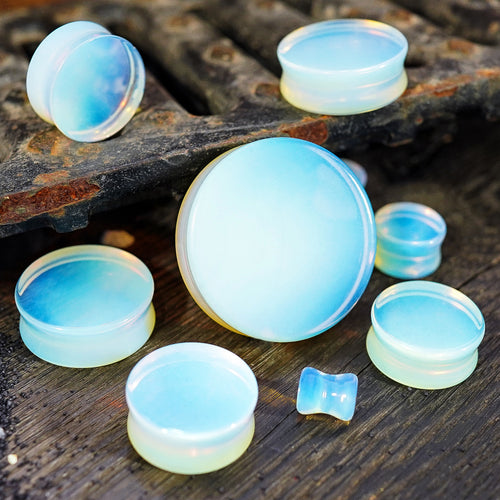
Opalite Glass Plug / Gauge
from
£6.00

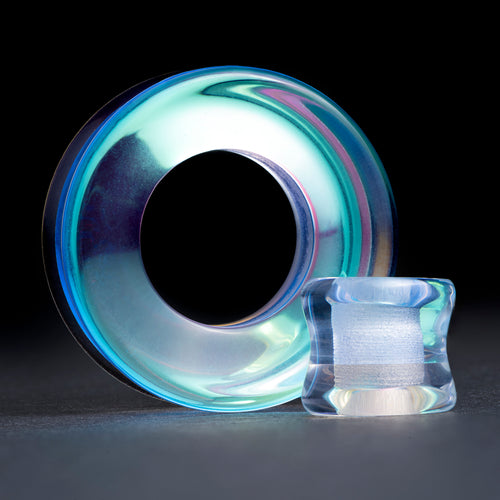
Blue & Green Iridescent Glass Ear Tunnel
from
£11.00

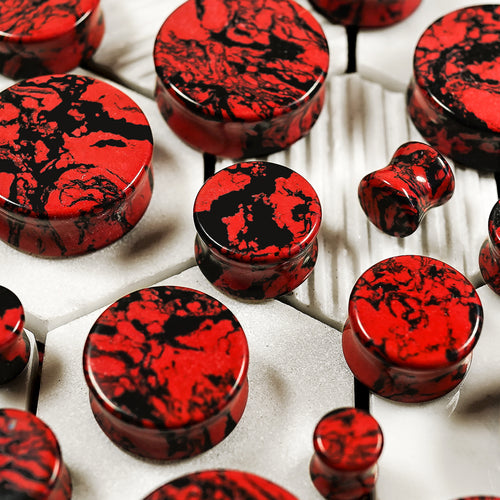
Marble Black & Red Stone Plug / Gauge
from
£9.00

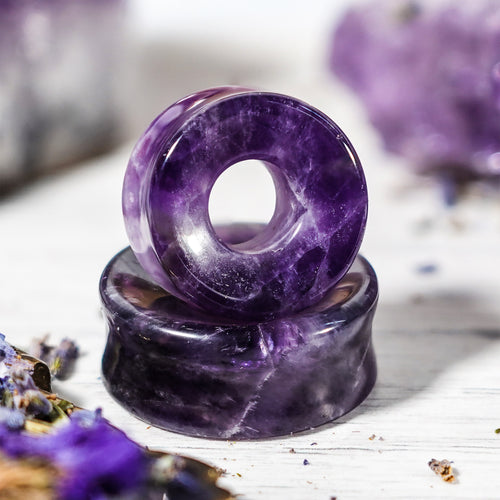
Amethyst Stone Tunnel
from
£8.00
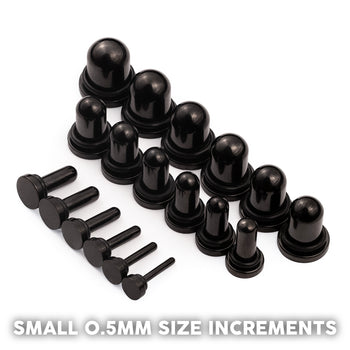
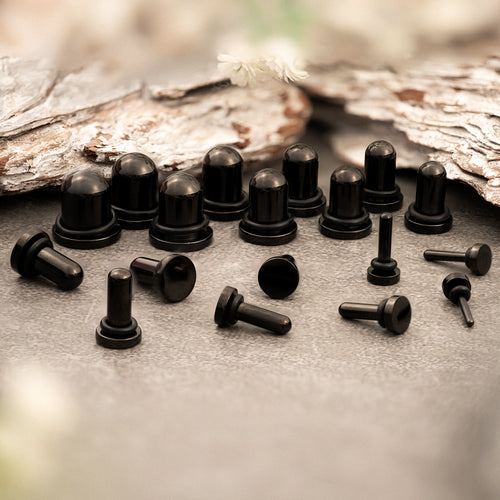
Black Metal Dead Stretching Kit
from
£15.99
NEW
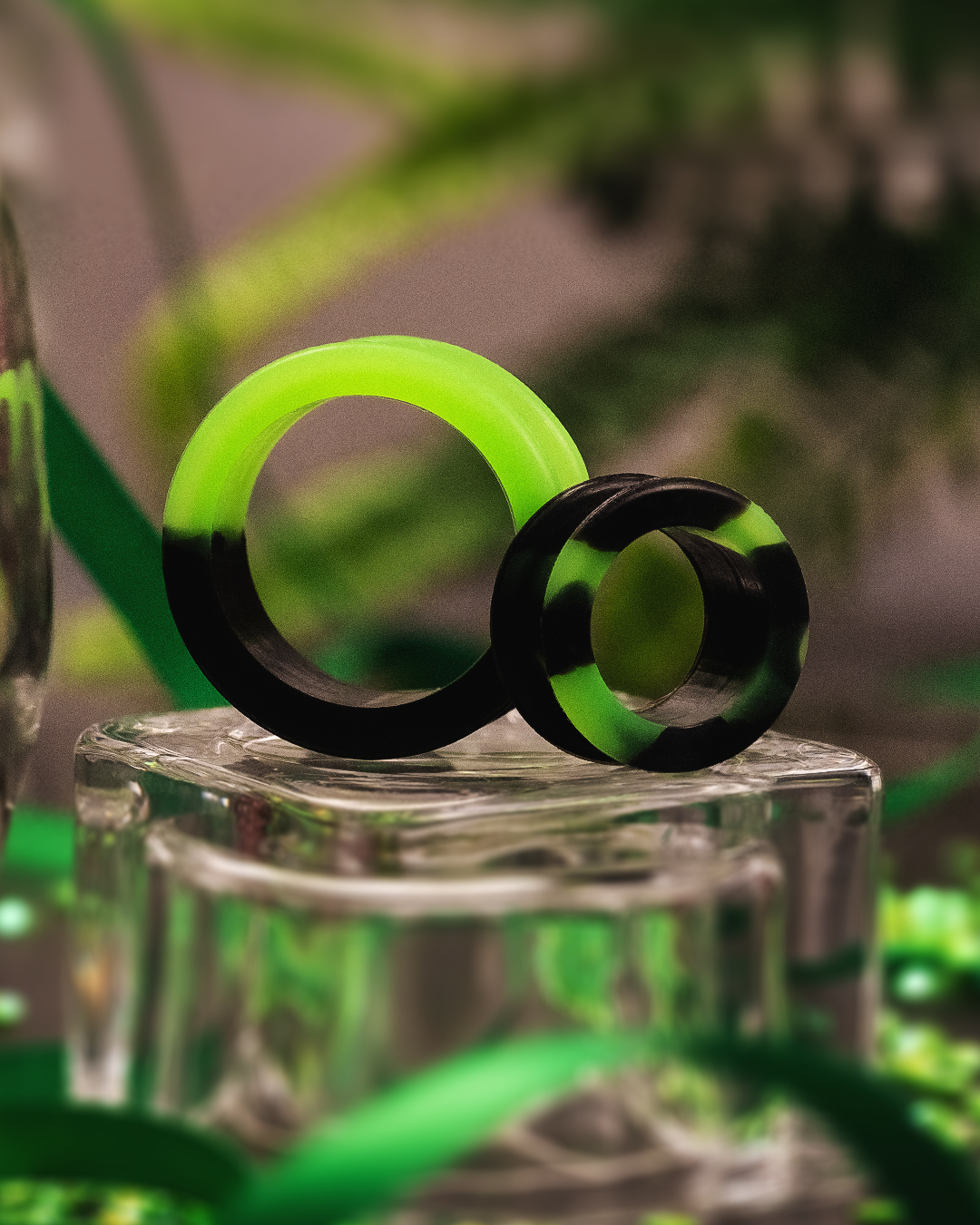
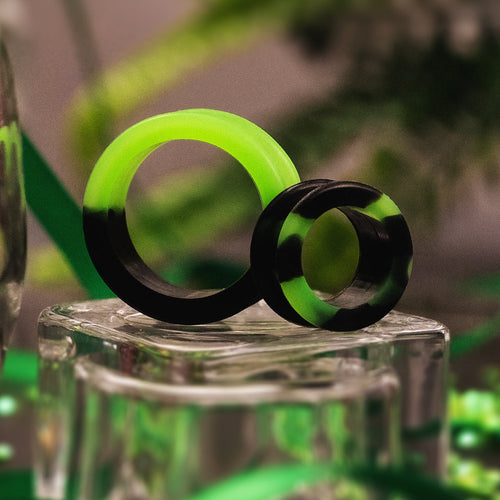
Neon Green & Black Marble Effect Silicone Ear Tunnel
from
£6.00
NEW


Clear & Black Glass Dead Stretching Kit
from
£15.99
NEW