GET SOCIAL WITH US
RECENT ARTICLES


Newsletter
Keep up-to-date with the latest promotions, news and releases!
The Ultimate Guide to Cleaning Body Jewellery

Body jewellery sits directly against the skin for long periods of time, which means regular cleaning is essential for both comfort and hygiene. Dirt, skin oils, dead skin cells, sweat, and product build-up can all collect on jewellery over time, even if it looks clean on the surface.
Cleaning body jewellery properly helps maintain its appearance, reduces irritation, and keeps piercings feeling comfortable. However, many people either clean their jewellery too aggressively or use products that are not suitable for the material or piercing type.
This guide explains how to clean body jewellery correctly, what products to use, and how cleaning routines should differ between healed piercings and fresh piercings.
Why Cleaning Body Jewellery Matters
Body jewellery is exposed to moisture, oils, skincare products, and environmental debris throughout the day. Over time, this build-up can affect both the jewellery and the piercing itself.
Poorly maintained jewellery may begin to feel uncomfortable, develop odour, or collect residue around the wearable area. In stretched ears, this build-up can become particularly noticeable because jewellery is worn continuously for long periods.
Regular cleaning helps maintain a smooth surface, prevents unnecessary irritation, and keeps jewellery looking its best.
Fresh Piercings vs Healed Piercings
Cleaning routines should always take the stage of healing into account.
Fresh piercings are highly sensitive and should not be treated the same way as fully healed piercings. Jewellery in a healing piercing should usually remain in place while the area is cleaned gently using sterile saline solution rather than harsh cleaning products.

For safe aftercare during healing, using a sterile saline spray such as the products available in the Custom Plugs Aftercare Collection can help keep the area clean without over-drying the skin.
Healed piercings allow for more flexibility. Jewellery can usually be removed and cleaned separately, allowing a more thorough cleaning process without irritating the piercing itself.
How to Clean Metal Body Jewellery

Metal jewellery such as titanium or surgical steel should be cleaned regularly using warm water and mild, fragrance-free soap.
The jewellery should first be rinsed under warm water to loosen any surface debris. Using clean fingers or a soft cloth, gently clean around threaded areas, wearable surfaces, and decorative details where build-up may collect.
After washing, jewellery should be rinsed thoroughly to remove soap residue and dried completely before reinsertion.
For internally threaded or threadless jewellery, paying attention to connection points is important, as oils and residue can collect in these smaller areas over time.
Cleaning Glass, Stone and Organic Jewellery

Different materials require different cleaning approaches.
Glass jewellery is non-porous and relatively easy to clean. Warm water and mild soap are usually sufficient to maintain a smooth, hygienic surface.
Stone jewellery should be cleaned more carefully, particularly if it contains natural porous elements or polished finishes that could become damaged by harsh chemicals.
Organic jewellery such as wood, horn, or bone requires extra attention because these materials can absorb moisture. Over-soaking organic jewellery may lead to swelling, cracking, or changes in texture.
For stretched ears wearing organic jewellery, using conditioning products such as jojoba oil from the Custom Plugs Aftercare Collection can help maintain both the jewellery and the surrounding skin.
Why Over-Cleaning Can Cause Problems
One of the most common mistakes people make is cleaning jewellery too aggressively or too frequently.
Harsh alcohol-based products, strong antibacterial soaps, or excessive scrubbing can damage jewellery finishes and irritate the skin. In healing piercings, over-cleaning may dry out the tissue and slow recovery.
Jewellery does not need to be sterilised during everyday wear. In most cases, gentle and consistent cleaning is far more effective than aggressive disinfection.
The goal is to remove build-up while maintaining a healthy environment for the skin.
How to Clean Stretching Jewellery Properly
Stretching jewellery requires particular attention because it sits inside the lobe continuously and often covers a larger skin surface area.

Single flare plugs, tunnels, and stretching kits should be cleaned regularly to prevent oil and dead skin build-up around the wearable area. Removing jewellery during cleaning allows both the jewellery and the lobe to be cleaned properly.

After cleaning, applying a small amount of moisturising oil can help prevent dryness. Many people use jojoba oil or vitamin E oil to keep stretched lobes soft and comfortable.
Cleaning Threaded and Clicker Jewellery
Jewellery with moving parts or threaded mechanisms often collects debris in areas that are difficult to see.
Septum clickers, internally threaded barbells, and labret studs should be checked regularly to ensure residue is not building up around hinges or threads.
Using warm water and gentle cleaning methods helps maintain smooth movement without damaging the mechanism.
For threaded jewellery, ensuring all parts are fully dry before reassembly helps reduce trapped moisture.
When Jewellery Should Be Replaced Instead of Cleaned
Cleaning can maintain jewellery, but it cannot repair damaged surfaces.
If jewellery develops scratches, chipped coatings, rough edges, or signs of corrosion, replacing it is often the safest option. Damaged surfaces can trap bacteria and create friction against the skin.
This is particularly important for jewellery worn in healing piercings or stretched ears, where surface quality directly affects comfort.
High quality materials tend to maintain their finish longer, which is one reason implant grade titanium and glass are popular choices for long term wear.
Final Thoughts
Cleaning body jewellery properly is about maintaining both the jewellery and the health of the piercing itself. Different materials, piercing types, and healing stages all require slightly different approaches, but the goal remains the same: keeping jewellery clean without causing unnecessary irritation.
Using gentle cleaning methods, suitable aftercare products, and high quality jewellery helps maintain comfort and long term wearability. With consistent care, body jewellery can remain comfortable, hygienic, and visually appealing for years.
BESTSELLERS


Black Silicone Ear Tunnel
from
£3.00
-v1657710003014.jpg?512x640&transform=resize=350&format=webp)

Black Stainless Steel Double Flared Tunnel
from
£7.00


Clear & Black Single Flare Glass Plug / Gauge
from
£5.00


Opalite Glass Plug / Gauge
from
£6.00


Blue & Green Iridescent Glass Ear Tunnel
from
£11.00


Marble Black & Red Stone Plug / Gauge
from
£9.00


Amethyst Stone Tunnel
from
£8.00


Black Metal Dead Stretching Kit
from
£15.99
NEW
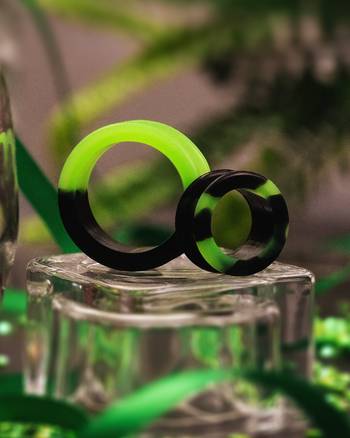

Neon Green & Black Marble Effect Silicone Ear Tunnel
from
£6.00
NEW


Clear & Black Glass Dead Stretching Kit
from
£15.99
NEW