GET SOCIAL WITH US
RECENT ARTICLES


Newsletter
Keep up-to-date with the latest promotions, news and releases!
Are Tunnels Better for Healed Stretches?
 Once stretched ears are fully healed, many people begin exploring different jewellery styles beyond standard plugs. One of the most popular options is tunnels. Their open-centre design creates a completely different look and feel compared to solid plugs, but many people also wonder whether tunnels are actually better for healed stretches.
The answer depends on what “better” means for your ears. Tunnels can change airflow, pressure, weight distribution, and overall comfort. Understanding how they behave in healed stretches helps you decide whether they are the right choice for your long term wear.
What Makes a Stretch Fully Healed?
Before switching to tunnels, it is important to understand what fully healed actually means. A healed stretch is not simply one that no longer feels sore. The tissue should be settled, stable, and free from swelling or irritation.
Healthy healed lobes usually feel soft and flexible rather than tight or sensitive. Jewellery should move comfortably without resistance, and the skin inside the lobe should appear smooth rather than dry or inflamed.
Tunnels are generally best suited to ears that have reached this stage, as healed tissue is better able to tolerate changes in weight, airflow, and jewellery shape.
How Tunnels Differ from Solid Plugs

The most obvious difference between tunnels and plugs is the open centre. Unlike solid plugs, tunnels remove material from the middle of the jewellery, reducing overall mass while changing how the jewellery sits in the ear.
This lower mass often makes tunnels feel lighter than plugs made from the same material and size. For some people, this creates a more comfortable wearing experience, particularly at larger gauges where heavy jewellery can place noticeable strain on the lobe.
The open design also changes how air and moisture interact with the piercing, which can affect comfort throughout the day.
Do Tunnels Improve Airflow?

One of the main reasons people find tunnels comfortable is increased airflow. Because the centre is open, the skin inside the stretch is less enclosed compared to wearing solid plugs.
This can reduce the feeling of trapped heat or moisture, particularly during warmer weather or long wear sessions. Some people find that tunnels make their lobes feel fresher and less restricted.
However, airflow alone does not automatically make tunnels healthier. Proper cleaning and jewellery quality still play an important role in maintaining healed stretches.
How Weight Changes the Wearing Experience
Tunnels are often lighter than solid plugs, especially when made from materials such as titanium or steel. Removing the centre of the jewellery reduces the total weight placed on the lobe.
This reduction in pressure can make tunnels feel easier to wear for extended periods. People with thinner lobes or sensitivity to heavy jewellery may particularly notice the difference.
At larger sizes, heavy solid plugs can gradually pull downward on the lobe over time. Tunnels reduce some of this load while still maintaining the stretched appearance.
Are Tunnels Better for Long Term Lobe Health?
Tunnels can be beneficial for long term wear if they fit properly and are worn in healthy, healed lobes. Their lighter structure may reduce prolonged downward pressure compared to heavier solid jewellery.
However, fit remains extremely important. Poorly finished tunnels or jewellery with sharp edges can still irritate the skin regardless of weight.
Double flare tunnels can also create pressure around the flare if the lobes are not fully relaxed or flexible. This is why jewellery quality and correct sizing matter just as much as the design itself.
Potential Downsides of Wearing Tunnels
Although tunnels have advantages, they are not automatically better in every situation.
Because the centre is open, tunnels expose more of the inside of the lobe to the environment. In colder weather, this can make stretched ears feel cooler and sometimes drier.
Some lightweight tunnels may also move more freely within the piercing, especially if the fit is slightly loose. While some people enjoy this feeling, others prefer the more stable sensation of solid plugs.
Certain tunnel designs, particularly low quality metal tunnels, may also have thinner wearable sections that place uneven pressure on the lobe.
Material Choice Still Matters
The material of the tunnel remains just as important as the design itself. Titanium tunnels are often preferred for their lightweight feel and smooth finish. Glass tunnels are less common but can provide a stable, non-porous option.
Steel tunnels offer a heavier feel, which some people enjoy, while silicone tunnels create a softer and more flexible wearing experience.
Even with healed stretches, choosing high quality materials helps maintain comfort and reduce irritation over time.
When Tunnels Are Most Suitable
Tunnels are often best suited to fully healed stretches that are stable and well established. People who prefer lighter jewellery, increased airflow, or a more minimal look often find tunnels particularly comfortable.
They are also popular at larger sizes where reducing jewellery weight becomes more important for long term comfort.
Many people alternate between tunnels and plugs depending on their outfit, activity, or how their lobes feel on a given day.
Final Thoughts
Tunnels can offer several advantages for healed stretches, including reduced weight, increased airflow, and a lighter overall feel. For many people, this makes them extremely comfortable for long term wear.
However, tunnels are not automatically better than plugs in every situation. Fit, material quality, and the condition of your lobes all play a role in how comfortable and healthy the jewellery feels.
Understanding how tunnels interact with healed stretches allows you to choose jewellery that suits both your style and your long term lobe health.
BESTSELLERS


Black Silicone Ear Tunnel
from
£3.00
-v1657710003014.jpg?512x640&transform=resize=350&format=webp)

Black Stainless Steel Double Flared Tunnel
from
£7.00


Clear & Black Single Flare Glass Plug / Gauge
from
£5.00
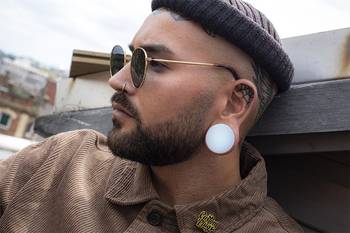

Opalite Glass Plug / Gauge
from
£6.00


Blue & Green Iridescent Glass Ear Tunnel
from
£11.00


Marble Black & Red Stone Plug / Gauge
from
£9.00


Amethyst Stone Tunnel
from
£8.00


Black Metal Dead Stretching Kit
from
£15.99
NEW
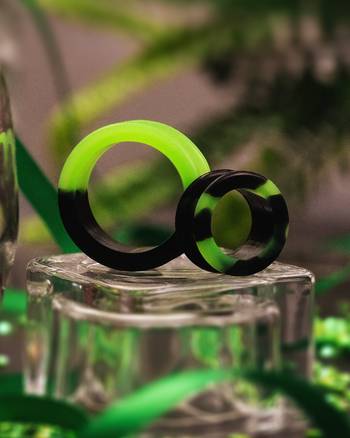

Neon Green & Black Marble Effect Silicone Ear Tunnel
from
£6.00
NEW


Clear & Black Glass Dead Stretching Kit
from
£15.99
NEW