GET SOCIAL WITH US
RECENT ARTICLES


Newsletter
Keep up-to-date with the latest promotions, news and releases!
Top-Mount vs Bottom-Mount Belly Bars: What’s the Difference?
Belly bars come in a huge variety of designs, but one difference that can significantly affect their appearance and fit is where the main decorative feature is positioned. Two common styles are top-mount and bottom-mount belly bars.
While the difference may initially seem purely aesthetic, the position, size and weight of the decoration can influence how the jewellery hangs, how much it moves and whether it suits your individual navel anatomy.
Understanding the difference between top-mount and bottom-mount belly bars can help you choose jewellery that is not only visually appealing but also comfortable and appropriately fitted for a healed navel piercing.

What Is a Top-Mount Belly Bar?
A top-mount belly bar places its main decorative feature at the upper end of the curved barbell. Instead of the lower ball or end being the primary focus, the decoration sits above the piercing.
Depending on the design, this could be a gemstone, decorative shape, cluster or other statement attachment.
Top-mounted jewellery can be particularly useful when you want the design to sit above the navel rather than hang inside or below it. However, the exact position will depend on your piercing placement and anatomy.

What Is a Bottom-Mount Belly Bar?
A bottom-mount belly bar positions the main decorative feature at the lower end of the jewellery.
This is the style many people associate with traditional belly button jewellery. A smaller ball typically sits above the piercing, while a larger ball, gemstone or decorative attachment sits within or below the navel.
Bottom-mount designs range from simple larger stones to elaborate dangling pieces. Because the decoration sits lower, its size and weight can have a noticeable effect on how the jewellery moves.

How Do Top-Mount and Bottom-Mount Belly Bars Look Different?
The most obvious difference is where the eye is drawn.
Top-mount jewellery creates detail above the navel, making the upper section of the piercing the focal point. This can produce a less conventional look and may work particularly well with decorative tops.
Bottom-mount belly bars emphasise the lower part of the piercing. Gemstones and decorative ends can sit within the navel, while dangling designs extend further down the stomach.
Neither is inherently better. The choice depends on the look you want and how the jewellery sits on your body.
Does Your Navel Anatomy Affect Which Style Fits Best?
Yes. Navel anatomy varies considerably, and this can influence how different belly bars sit.

The depth of the navel, the amount of tissue available for the piercing and how the navel changes when you sit or bend can all affect jewellery fit.
A large bottom-mounted attachment may feel comfortable on someone with a deep, open navel but create pressure on someone whose navel compresses when sitting.
Likewise, a large top-mounted design needs enough space above the piercing to sit without pressing awkwardly against surrounding tissue.
This is one reason belly jewellery should be selected according to anatomy rather than appearance alone.
What Happens to Belly Jewellery When You Sit Down?
A belly bar may behave very differently when you are standing compared with when you sit, bend or exercise.
For some people, the navel becomes flatter or partially closes when sitting. A large lower attachment can then be pushed upwards against the jewellery, creating pressure through the piercing.
Top-mounted jewellery may avoid some pressure inside the navel, although the upper decoration can still be affected by clothing or natural skin folds.
When choosing belly jewellery, consider how it feels throughout normal movement rather than judging the fit while standing still.
Does the Weight of the Decoration Matter?
The weight of belly jewellery can influence how it hangs and how much force is placed on the piercing.

Large gemstones, metal shapes and dangling decorations can make bottom-mount belly bars noticeably heavier than simpler designs. The weight may cause the jewellery to pull downwards, particularly when moving.
Top-mounted decorative pieces can create a different balance because more of the weight is positioned above the piercing.
Statement jewellery can be suitable for many healed piercings, but heavier does not necessarily mean better for continuous everyday wear. If the jewellery creates pulling, tenderness or persistent pressure, a lighter design may be more appropriate.
Top-Mount vs Bottom-Mount for Everyday Wear
For everyday wear, comfort and practicality are often more important than the position of the decoration itself.
A compact top-mount design can work well if it sits securely and does not catch on clothing. Similarly, a simple bottom-mount belly bar with a smooth lower attachment can be comfortable for regular use.
Problems are more likely when decorative elements are particularly large, heavy or prone to snagging.
Your clothing also matters. High-waisted trousers, leggings and tight waistbands can press against belly jewellery regardless of whether it is top or bottom mounted.
Which Style Is More Likely to Catch on Clothing?
Either style can catch depending on its design.
Large top-mounted attachments may catch on waistbands or clothing that passes directly over the upper piercing. Bottom-mounted designs, particularly those with dangling elements, can catch when changing clothes or using towels.
Smooth, compact jewellery will generally present fewer snagging points than elaborate designs.
If you regularly wear fitted or high-waisted clothing, consider where the jewellery sits in relation to your usual waistband before choosing a larger decorative piece.

What About Floating Navel Jewellery?
Floating navel jewellery provides another option for people whose anatomy does not work comfortably with a traditional large lower ball.
A floating navel design commonly uses a flatter or smaller end inside the navel, with the more decorative feature positioned above the piercing.
This can reduce the amount of jewellery occupying the lower part of the navel and may be more suitable for anatomy that compresses significantly when sitting.
However, floating navel jewellery is not simply a fashion variation of a standard belly bar. Whether it is suitable depends on the piercing and anatomy, so professional assessment is worthwhile if traditional jewellery repeatedly causes pressure.
Does Bar Length Still Matter?
Yes. Whether a belly bar is top mounted or bottom mounted, the curved barbell itself still needs to be correctly sized.
A bar that is too short can place pressure on the piercing and cause the ends to press into the tissue. A bar that is too long can move excessively, tilt and become easier to catch.
The decorative design cannot compensate for incorrect bar length.
If you are replacing existing jewellery, check the gauge and wearable length rather than choosing a new belly bar solely according to its decorative ends.
Choosing the Right Material
Material quality remains important regardless of the design.
Implant-grade titanium is a popular choice for body jewellery because it is lightweight, corrosion-resistant and suitable for many people with metal sensitivities. Its low weight can also be beneficial when the jewellery includes larger decorative elements.
High-quality body jewellery should have a smooth finish without rough edges, damaged coatings or poorly finished surfaces that could irritate the piercing.

If you know that particular metals cause sensitivity, check the jewellery specification rather than choosing purely according to colour or appearance.
Can You Change Between Top-Mount and Bottom-Mount Belly Bars?
Once a navel piercing is fully healed, it may be possible to switch between different belly bar designs as long as the gauge, length and overall shape remain suitable for your piercing.
However, a new design may distribute its weight differently. A large bottom-mounted piece can feel very different from a lightweight top-mounted design even when both use the same bar dimensions.
After changing jewellery, pay attention to persistent pressure, pulling, redness or discomfort. If the new piece does not sit naturally, the design may not suit your anatomy.
Which Is Better for a Healed Navel Piercing?
There is no universal winner between top-mount and bottom-mount belly bars.
A traditional bottom-mount design may be ideal if you have enough space inside the navel for the lower attachment to sit comfortably. It also provides the classic belly-bar appearance and works particularly well with decorative and dangling designs.
A top-mount design may appeal if you prefer the decoration to sit above the navel or want to avoid a large decorative end occupying the lower area.
The most important factors are appropriate sizing, suitable anatomy, jewellery quality and comfort during everyday movement.
 Signs Your Belly Bar May Not Suit Your Anatomy
Belly jewellery should not continually press, pull or dig into the surrounding tissue.
Persistent redness, tenderness, deep pressure marks or jewellery that appears to distort the piercing may indicate a problem with the size, shape or design.
You should also pay attention to jewellery that becomes uncomfortable every time you sit or bend. This can indicate that the decorative end is being pushed against your anatomy.
If you repeatedly experience problems with standard belly bars, an experienced professional piercer can assess whether a different length, attachment style or floating navel design would provide a better fit.
Final Thoughts
The main difference between top-mount and bottom-mount belly bars is the position of the decorative feature, but that small design change can affect much more than appearance.
Bottom-mount jewellery creates the classic navel piercing look, with the main decoration positioned inside or below the navel. Top-mount designs move the focal point above the piercing and can offer a different balance and appearance.
Neither style is automatically more comfortable or secure. Your anatomy, bar length, jewellery weight, clothing and the size of the decorative attachments all influence how a belly bar feels.
For a healed navel piercing, choose jewellery that fits your body rather than selecting a design based on appearance alone. If a belly bar creates persistent pressure or does not sit naturally when you move, a professional piercer can help determine whether a different style or size is more appropriate.
BESTSELLERS
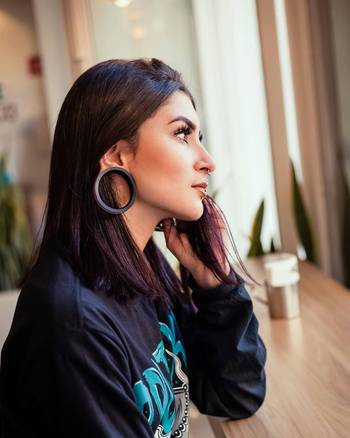

Black Silicone Ear Tunnel
from
£4.00
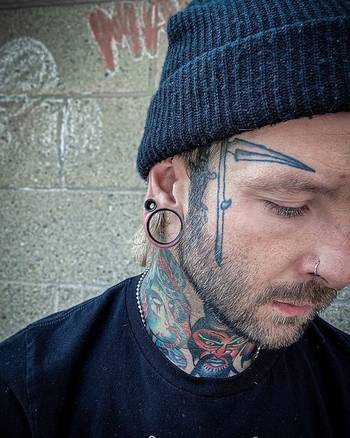

Black Stainless Steel Double Flared Tunnel
from
£7.00


Clear & Black Single Flare Glass Plug / Gauge
from
£5.00
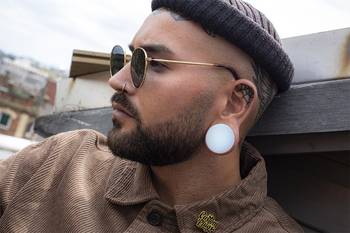

Opalite Glass Plug / Gauge
from
£7.00


Blue & Green Iridescent Glass Ear Tunnel
from
£11.00


Marble Black & Red Stone Plug / Gauge
from
£9.00
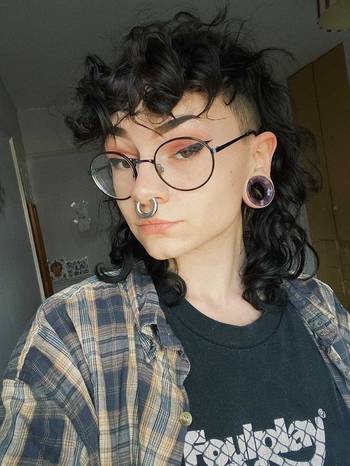

Amethyst Stone Tunnel
from
£10.00


Black Metal Dead Stretching Kit
from
£17.99
NEW
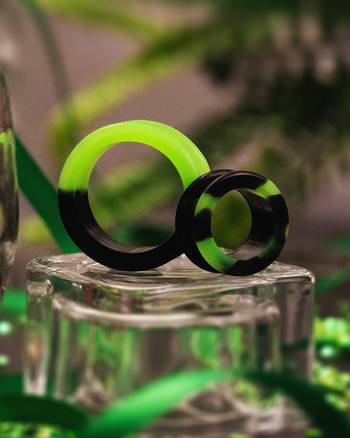

Neon Green & Black Marble Effect Silicone Ear Tunnel
from
£7.00
NEW


Clear & Black Glass Dead Stretching Kit
from
£16.99
NEW