GET SOCIAL WITH US
RECENT ARTICLES


Newsletter
Keep up-to-date with the latest promotions, news and releases!
Are Plug Holes Actually Permanent? Understanding Skin Memory and Tissue Behaviour
One of the most common questions in the stretching community is whether stretched ear holes are permanent. The answer is not as simple as yes or no. Skin is a remarkable organ with the ability to expand, repair and adapt, but it also has limits. Understanding how skin behaves during stretching and how it responds when jewellery is removed can help both beginners and long-time stretchers take better care of their lobes.
This blog explores the science behind stretched ears, including skin memory, elasticity, collagen and the factors that determine whether your lobes will shrink back or stay stretched. Whether you are planning your first stretch or considering downsizing after years of wearing plugs, this guide provides essential knowledge for making informed decisions.

What Is Skin Memory, and How Does It Affect Stretched Lobes?
Skin memory refers to the way the body attempts to return tissue to its original shape after it has been stretched. The skin contains collagen and elastin fibres that allow it to stretch and recoil. When you gradually size up your ears, the lobe expands and the tissue adjusts to accommodate the new shape. If jewellery is removed early in the stretching process, these fibres often guide the lobe back towards its original size.
Over time, however, the body forms new cells to maintain the stretched shape. When this happens, the original memory becomes weaker. This is why some stretched ears shrink quite well while others barely change even after months or years without jewellery.
Why Some Stretching Shrinks Back Easily and Others Do Not

Several factors influence how well stretched lobes will return to smaller sizes.
The first factor is size. Most piercers agree that smaller gauges are more likely to shrink back naturally. Many people who have stretched up to around 8 millimetres or less experience significant shrinkage if they stop wearing jewellery. Once lobes reach larger sizes, the chances of complete closure drop.
Another factor is how slowly and safely the ear was stretched. Gradual stretching encourages healthy tissue growth. Rushed stretching can cause micro tears, scar tissue or thinning, all of which make the lobe less likely to bounce back.
Time is a major influence as well. The longer the lobe remains at a larger size, the more the body adapts to that new shape. Someone who has worn 20-millimetre plugs for ten years will experience very different results from someone who has worn the same size for a few months.
Lastly, everybody is unique. Genetics, age, hydration levels and skin health all play roles in how elastic the tissue remains.
The Role of Scar Tissue in Permanent Stretching
Scar tissue is one of the strongest indicators that a stretched lobe may not shrink easily. When stretching is rushed or when heavy jewellery is worn too early, the skin can tear. The body repairs these tears with scar tissue. Unlike normal skin, scar tissue has limited elasticity. It cannot stretch smoothly, and it also cannot contract in the same way.
This is why stretchers who have experienced blowouts or repeated irritation often find that their lobes stay larger even after removing jewellery. Keeping tissue healthy throughout stretching is the best way to preserve elasticity and reduce the risk of permanent changes.


Downsizing and the Natural Shrinkage Process
Downsizing is the practice of inserting smaller plugs to encourage the lobes to shrink. Many stretchers use this method to restore elasticity or to return to smaller gauges after deciding they no longer want to wear large jewellery.
During downsizing, the skin gradually contracts around the smaller size. It may take weeks or months for noticeable changes to occur. Massaging the lobes with high-quality oils such as jojoba or emu oil can support this process by improving circulation and keeping tissue soft. Hydrated lobes respond better to shrinkage and are less likely to develop dryness or irritation during downsizing.
Not everyone experiences the same results. Some people can shrink several sizes with patience, while others find their lobes remain close to their stretched diameter.
When Plug Holes Become Truly Permanent
A stretched ear becomes permanent when the skin has expanded beyond its natural ability to contract. This might be due to the size reached, the length of time worn, or the presence of scar tissue. For some individuals, anything above 10 millimetres may remain visible for life. For others, even large sizes show surprising shrinkage.
If someone wants completely closed lobes after years of stretching, the only guaranteed method is surgery. A lobe repair procedure can reshape the tissue and close the opening entirely. Many people choose this option after years of enjoying stretched lobes, and results can be very natural when performed by an experienced practitioner.


How to Keep Your Lobes Healthy Whether You Stretch or Downsize![]()
![]()
Good lobe care plays a major role in long-term tissue health. Keeping lobes moisturised, stretching patiently, choosing safe materials and avoiding heavy jewellery until the skin is fully healed all support elasticity. These habits not only reduce the risk of blowouts and irritation but also increase the likelihood of shrinkage if you ever choose to downsize.
Even if you never plan to shrink your ears, healthy tissue provides better comfort, stronger lobes and a more even shape when wearing plugs or tunnels.


Final Thoughts with Custom Plugs
Whether plug holes are permanent depends on a combination of biology, care and personal stretching history. Skin memory, elasticity and scar tissue all play significant roles in determining whether lobes will shrink or stay stretched. Smaller gauges and slower stretches tend to shrink more easily, while larger or long-term stretches often become permanent parts of your anatomy.
Understanding how your skin behaves gives you control over your stretching journey. Whether you want to commit to large plugs or explore a return to smaller sizes, informed care will always give you the best results.
BESTSELLERS


Black Silicone Ear Tunnel
from
£4.00
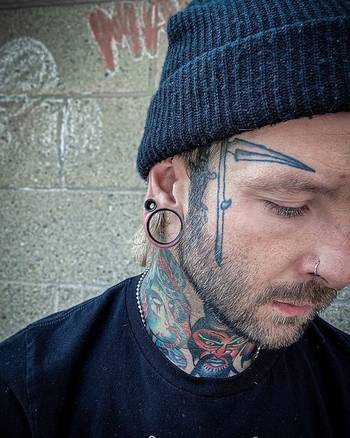

Black Stainless Steel Double Flared Tunnel
from
£7.00


Clear & Black Single Flare Glass Plug / Gauge
from
£5.00
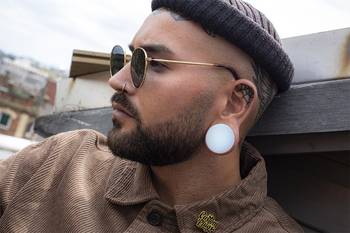

Opalite Glass Plug / Gauge
from
£7.00


Blue & Green Iridescent Glass Ear Tunnel
from
£11.00


Marble Black & Red Stone Plug / Gauge
from
£9.00


Amethyst Stone Tunnel
from
£10.00


Black Metal Dead Stretching Kit
from
£17.99
NEW
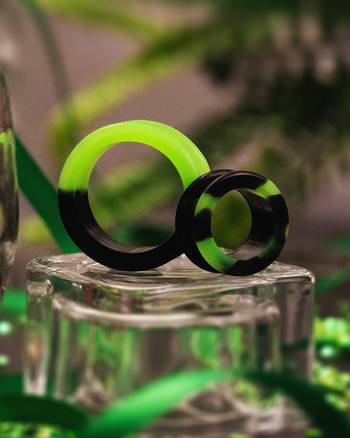

Neon Green & Black Marble Effect Silicone Ear Tunnel
from
£7.00
NEW


Clear & Black Glass Dead Stretching Kit
from
£16.99
NEW