GET SOCIAL WITH US
RECENT ARTICLES


Newsletter
Keep up-to-date with the latest promotions, news and releases!
Titanium Piercing Jewellery: Benefits, Material Details and Why It’s Often Recommended

Titanium has become one of the most widely recommended materials in body jewellery, especially for new piercings and sensitive skin. While many guides simply label titanium as “safe” or “hypoallergenic”, that surface-level explanation does not fully explain why it performs so well in real-world wear.
This guide looks at titanium in detail, including how it behaves in the body, why it is preferred by professional piercers, and what actually separates high quality titanium jewellery from lower grade alternatives.
What Titanium Actually Is in Body Jewellery
Titanium used in body jewellery is not just any metal labelled as titanium. High quality pieces are typically made from implant grade titanium, often referred to as ASTM F136. This is the same standard used in medical implants, which means the material has been tested for long term compatibility with the human body.
Unlike mixed alloys that rely on multiple reactive metals, implant grade titanium is highly stable. It does not easily corrode, degrade, or react when exposed to moisture, skin oils, or the internal environment of a piercing.
This level of stability is what makes titanium suitable not just for healed piercings, but also for fresh piercings where the tissue is more vulnerable.
Why Titanium Is Considered Hypoallergenic
One of the main reasons titanium is recommended is its extremely low reactivity. Many metals used in jewellery contain nickel or other elements that can trigger irritation. Titanium, particularly implant grade, contains minimal to no nickel in a form that can be released into the skin.
This significantly reduces the risk of allergic reactions. For people who have experienced irritation from other metals, switching to titanium often resolves ongoing discomfort.
However, the term hypoallergenic is often used too broadly. The key point is not just that titanium is less likely to cause a reaction, but that it releases virtually no reactive substances into the body under normal wear conditions.
How Titanium Performs in Healing Piercings
Healing piercings require a stable environment. Movement, friction, and chemical reactions can all slow down the healing process. Titanium supports healing because it minimises these disruptions.
The smooth surface of well finished titanium reduces friction against the piercing channel. This helps prevent irritation that can occur when jewellery rubs against healing tissue.
Because titanium does not react with bodily fluids, it also avoids the chemical irritation that can occur with lower quality metals. This creates a more predictable healing environment, which is why professional piercers often choose titanium for initial jewellery.
The Importance of Surface Finish
Material alone does not determine how jewellery feels. The surface finish plays a critical role in comfort and performance.

High quality titanium body jewellery is polished to a smooth, mirror-like finish. This reduces microscopic roughness that can otherwise irritate the skin. A poorly finished piece, even if made from titanium, can still feel uncomfortable.
This is why two titanium pieces can feel completely different. One may glide smoothly through the piercing, while another may feel slightly abrasive due to lower manufacturing standards.
For this reason, both material grade and finish quality should be considered together.
Weight and Comfort Compared to Other Metals
Titanium is significantly lighter than materials such as surgical steel. This lower density means that titanium jewellery places less pressure on the piercing.
For ear piercings, especially cartilage or stretched lobes, this reduced weight can make a noticeable difference over long periods of wear. The jewellery feels less intrusive and places less strain on the tissue.
This is particularly important for people who wear jewellery continuously, as even small differences in weight can affect long term comfort.
Corrosion Resistance and Long Term Stability
Titanium is highly resistant to corrosion. It forms a natural oxide layer on its surface that protects it from reacting with the environment. This layer is stable and self-repairing, meaning it maintains its protective properties even with regular wear.
In practical terms, this means titanium jewellery does not tarnish, rust, or degrade easily. It maintains its appearance and performance over time, even when exposed to moisture, sweat, or cleaning products.
This stability is one of the reasons titanium is often chosen for long term wear rather than occasional use.
How Titanium Is Used in Different Jewellery Types

Titanium is used across a wide range of body jewellery, including labret studs, barbells, septum clickers, and tunnels. Its strength allows it to be shaped into precise designs while maintaining durability.
For threaded jewellery, titanium provides reliable thread integrity, reducing the risk of stripping or wear over time. For threadless systems, its flexibility allows for secure tension without compromising strength.
Because of its versatility, titanium can be used in both simple and complex jewellery designs while maintaining consistent performance.
Common Misconceptions About Titanium Jewellery
Not all jewellery labelled as titanium meets the same standards. Lower grade titanium or mixed alloys may not offer the same benefits as implant grade material.
Another misconception is that titanium is always the best option in every situation. While it is excellent for healing and sensitive skin, other materials may be suitable for healed piercings depending on personal preference.
Understanding the specific grade and finish of titanium is more important than relying on the name alone.
When Titanium Is the Best Choice
Titanium is particularly well suited for new piercings, sensitive skin, and long term wear where stability and comfort are priorities.
It is also a strong choice for people who have experienced irritation with other materials, as it reduces exposure to reactive elements.
For everyday jewellery that needs to perform consistently without requiring constant attention, titanium provides a reliable solution.
Final Thoughts
Titanium piercing jewellery stands out not just because it is widely recommended, but because of how it performs in real use. Its stability, low reactivity, smooth finish, and lightweight structure all contribute to a more comfortable and predictable experience.
Understanding these material details allows you to make informed decisions rather than relying on general claims. When chosen correctly, titanium jewellery supports both the healing process and long term wear, making it one of the most dependable options available.
BESTSELLERS

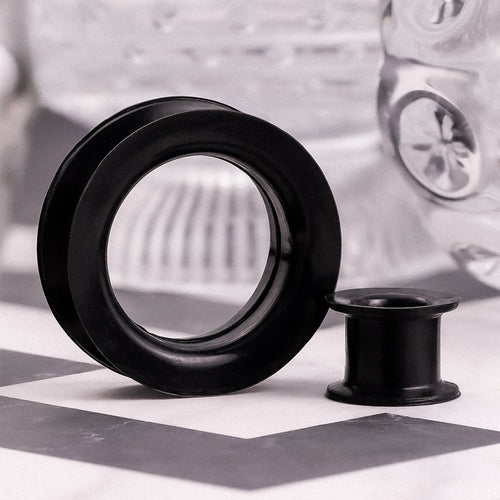
Black Silicone Ear Tunnel
from
£3.00
-v1657710003014.jpg?512x640&transform=resize=350)
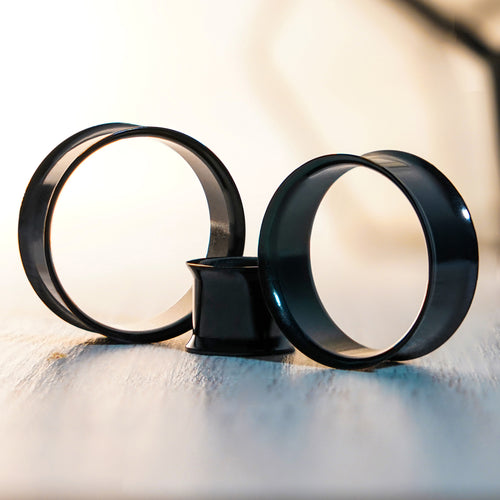
Black Stainless Steel Double Flared Tunnel
from
£7.00
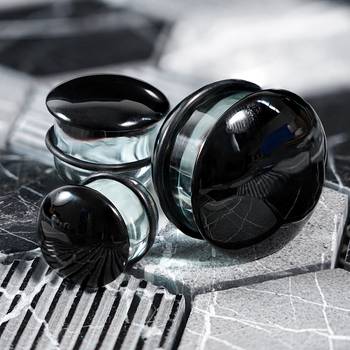
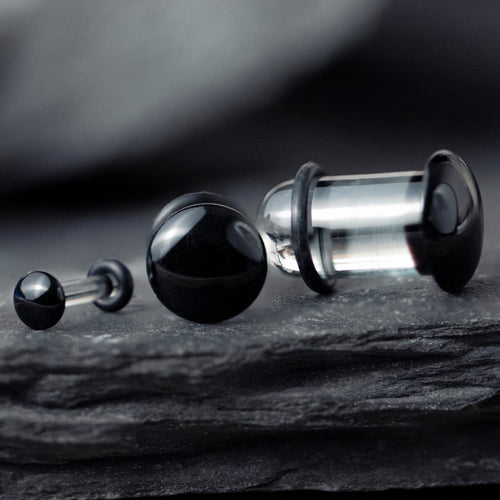
Clear & Black Single Flare Glass Plug / Gauge
from
£5.00
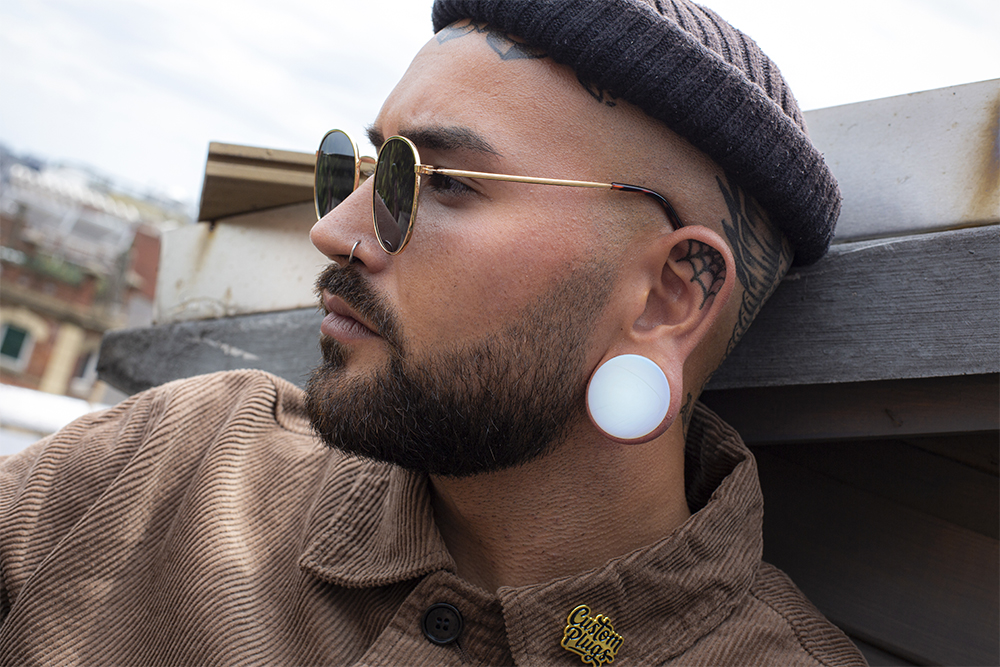
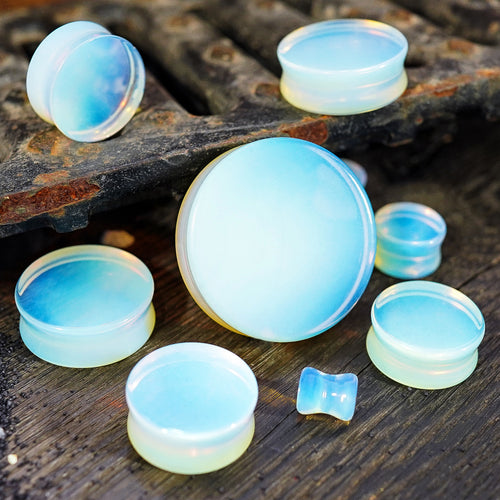
Opalite Glass Plug / Gauge
from
£6.00

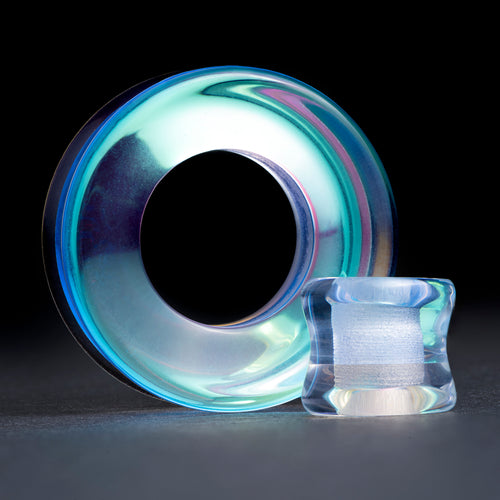
Blue & Green Iridescent Glass Ear Tunnel
from
£11.00

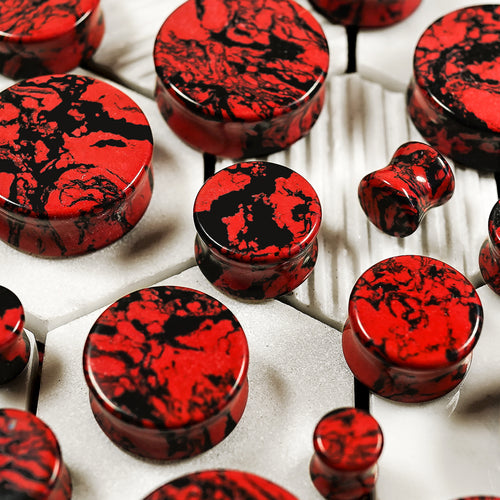
Marble Black & Red Stone Plug / Gauge
from
£9.00

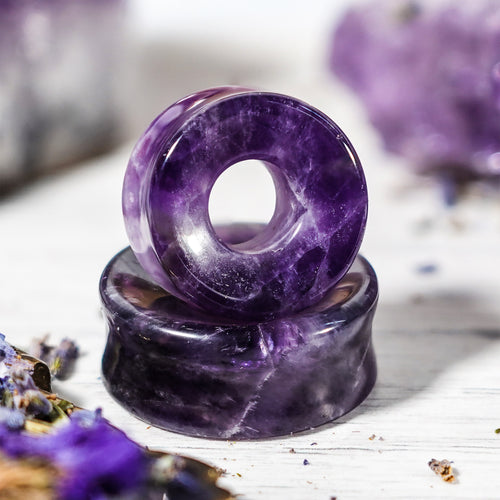
Amethyst Stone Tunnel
from
£8.00
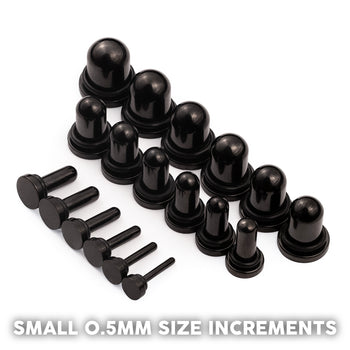
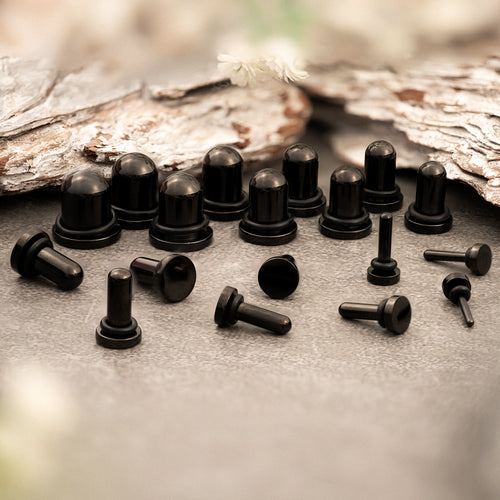
Black Metal Dead Stretching Kit
from
£15.99
NEW
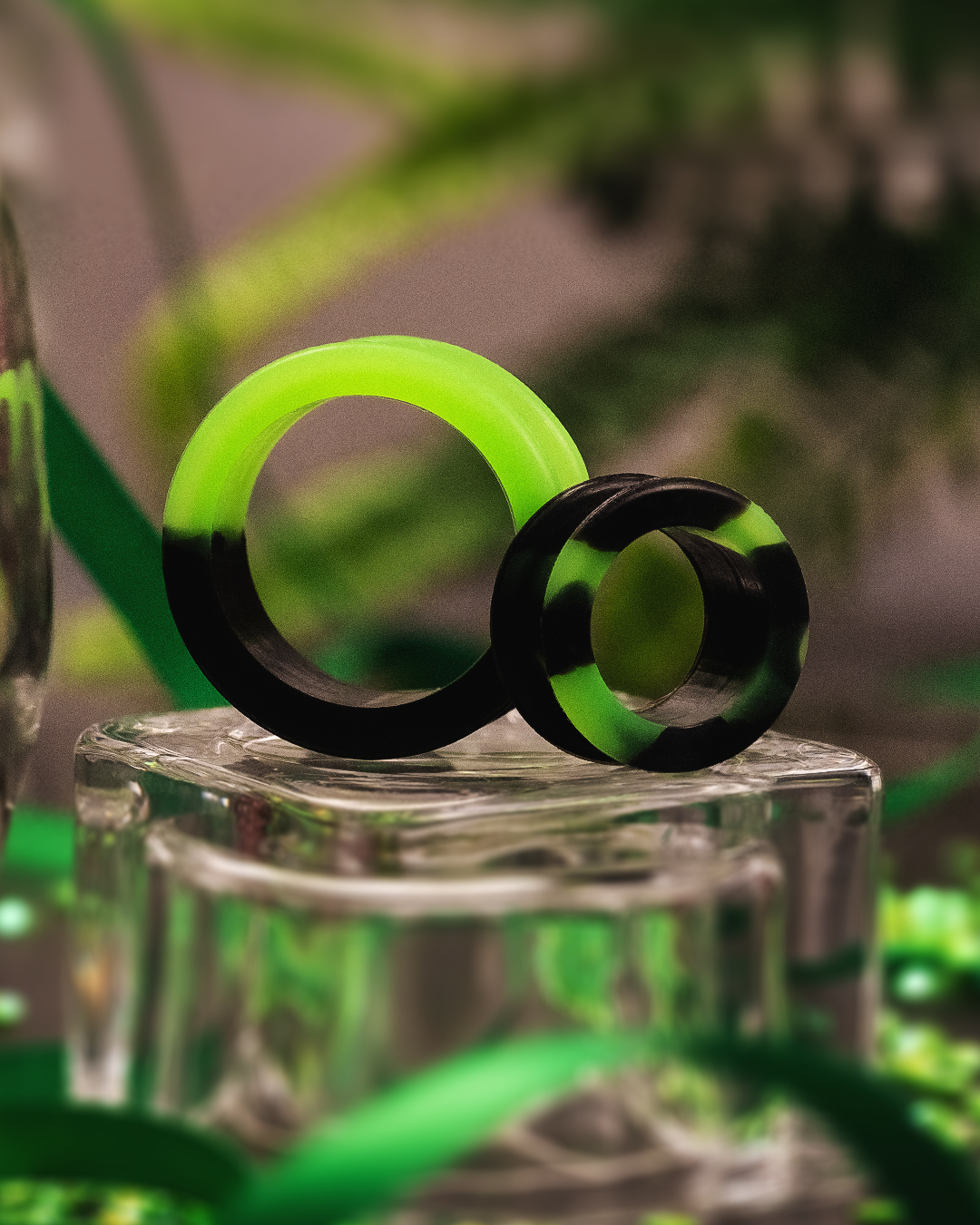
Neon Green & Black Marble Effect Silicone Ear Tunnel
from
£6.00
NEW


Clear & Black Glass Dead Stretching Kit
from
£15.99
NEW