GET SOCIAL WITH US
RECENT ARTICLES


Newsletter
Keep up-to-date with the latest promotions, news and releases!
The Ultimate Guide to Oral Piercings and Oral Piercing Jewellery
Oral piercings have remained one of the most popular forms of body modification for decades. From classic tongue piercings to lip piercings, snake bites, angel fangs, and smileys, oral piercings offer a huge range of styles while allowing jewellery to become part of your everyday appearance.
However, oral piercings are unique compared to many other piercing types. They sit in an environment that experiences constant movement, moisture, pressure from eating and speaking, and contact with teeth and gums. Because of this, choosing the correct jewellery is just as important as the piercing itself.
This guide covers the most common oral piercings, the jewellery used in them, sizing considerations, materials, and how to choose jewellery that is both comfortable and suitable for long term wear.

What Are Oral Piercings?
Oral piercings are piercings located in or around the mouth. Some pass directly through oral tissue inside the mouth, while others sit on the lips and surrounding areas.
Popular oral piercings include tongue piercings, labret piercings, Monroe piercings, Medusa piercings, snake bites, spider bites, dolphin bites, smiley piercings, and various modern lip combinations.
Because these piercings interact closely with teeth, gums, and soft tissue, jewellery selection plays a major role in comfort and long term health.
Tongue Piercings and Tongue Jewellery
The tongue piercing remains one of the most recognised oral piercings. Positioned through the centre of the tongue, it is most commonly worn with a straight barbell.
When first pierced, a longer barbell is typically used to accommodate swelling. Once healing progresses, the jewellery is usually downsized to reduce movement and improve comfort.
Properly fitted tongue bar jewellery should allow normal movement without excessive length. Bars that are too long can strike the teeth repeatedly, while bars that are too short may place pressure on the tissue.
Titanium tongue bars are often preferred because they are lightweight and comfortable for everyday wear.


Labret Piercings and Flat Back Jewellery
Labret piercings are positioned below the lower lip and are commonly worn with flat back labret studs.
The flat disc on the inside of the mouth helps distribute pressure more evenly than traditional butterfly-back jewellery. This design reduces irritation and makes oral piercings significantly more comfortable during daily activities.
Labret jewellery is also used for many other oral piercings, including snake bites, Monroe piercings, Medusa piercings, and vertical lip combinations.
Choosing the correct disc size and post length is essential for long term comfort.
Snake Bites, Spider Bites and Multiple Lip Piercings

Many modern oral piercing styles involve multiple piercings working together to create a balanced look.
Snake bites consist of two piercings positioned symmetrically on either side of the lower lip. Spider bites place two piercings close together on one side, while dolphin bites sit near the centre of the lower lip.
These piercings are usually fitted with flat back labrets during healing and can later be worn with rings or other jewellery depending on anatomy and preference.
Because multiple piercings create additional pressure points inside the mouth, proper sizing becomes even more important.
Smiley Piercings and Delicate Jewellery
A smiley piercing passes through the thin tissue connecting the upper lip to the gums, known as the frenulum.
This piercing is typically worn with a small circular barbell or seamless ring. Due to the delicate nature of the tissue, jewellery must be lightweight and correctly fitted.
Smiley piercings are heavily dependent on anatomy. Not everyone has sufficient tissue to support them safely, which is why a professional assessment is always recommended.
The Importance of Jewellery Material
Material choice matters more for oral piercings than many people realise.
The mouth is constantly exposed to moisture, temperature changes, food, and natural bacteria. Jewellery needs to remain stable in this environment without degrading or causing irritation.
Implant grade titanium is widely considered one of the best options for oral piercings because it is lightweight, corrosion resistant, and highly biocompatible.
High quality surgical steel is also commonly used, although some people prefer titanium due to its lower weight and reduced risk of sensitivity.
Gold jewellery can be suitable when manufactured specifically for body piercing use, but purity and quality standards are important considerations.

Choosing the Correct Jewellery Length
One of the most common mistakes people make with oral jewellery is wearing the wrong length.
Jewellery that is too long creates unnecessary movement. In tongue piercings this often leads to contact with teeth, while in lip piercings it may increase irritation inside the mouth.
Jewellery that is too short can create pressure against tissue and make the piercing feel tight or uncomfortable.
Downsizing after healing is one of the most important steps in maintaining comfort and reducing long term complications.
How Oral Jewellery Affects Teeth and Gums
One of the biggest concerns surrounding oral piercings is dental health.
Poorly fitted jewellery may repeatedly contact teeth or gums. Over time, this can contribute to enamel wear, gum irritation, or gum recession.
Proper jewellery sizing significantly reduces these risks. Flat back labrets, shorter tongue bars, and lightweight materials all help minimise unnecessary movement inside the mouth.
Regular dental check-ups are also beneficial for monitoring any changes associated with oral jewellery.
Cleaning Oral Piercing Jewellery
Oral jewellery is exposed to a unique environment compared to most other piercings.
Food particles, plaque, saliva, and bacteria naturally accumulate throughout the day. While the mouth cleans itself remarkably well, jewellery still benefits from regular maintenance.
Jewellery should be cleaned during normal oral hygiene routines and periodically removed for a more thorough cleaning once the piercing is fully healed.
Keeping jewellery clean helps maintain comfort and reduces build-up around threaded areas and decorative attachments.
Threaded vs Threadless Oral Jewellery
Most modern oral jewellery uses either threaded or threadless attachment systems.
Threaded jewellery secures decorative ends using screw threads, while threadless jewellery uses tension to hold the attachment in place.
Both systems can work well when manufactured properly. Many people prefer threadless jewellery because there are no threads to wear down over time, while others prefer the familiarity and security of threaded designs.
The choice often comes down to personal preference and jewellery style.


Common Oral Piercing Jewellery Mistakes
Many oral piercing problems are caused by jewellery rather than the piercing itself.
Wearing bars that are too long, ignoring downsizing appointments, using low quality materials, and over-tightening threaded ends are all common mistakes.
Another frequent issue is continuing to wear damaged jewellery. Scratched surfaces, worn threads, or rough edges should be addressed promptly, as they can affect both comfort and oral health.
Investing in properly fitted, high quality jewellery often prevents many of these problems before they begin.
Final Thoughts
Oral piercings are among the most versatile and expressive forms of body modification, but they require careful jewellery selection to perform well over the long term.
Whether you wear a tongue piercing, snake bites, a Medusa, or a smiley piercing, the right jewellery affects comfort, appearance, healing, and overall oral health. Material quality, correct sizing, and regular maintenance all contribute to a better wearing experience.
Understanding how oral piercing jewellery works allows you to make informed decisions, helping your piercings remain comfortable, healthy, and stylish for years to come.
BESTSELLERS


Black Silicone Ear Tunnel
from
£4.00


Black Stainless Steel Double Flared Tunnel
from
£7.00


Clear & Black Single Flare Glass Plug / Gauge
from
£5.00
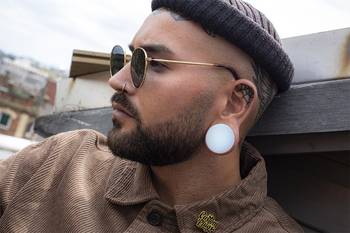

Opalite Glass Plug / Gauge
from
£7.00


Blue & Green Iridescent Glass Ear Tunnel
from
£11.00


Marble Black & Red Stone Plug / Gauge
from
£9.00


Amethyst Stone Tunnel
from
£10.00


Black Metal Dead Stretching Kit
from
£17.99
NEW
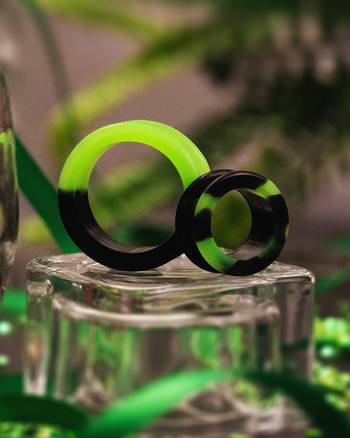

Neon Green & Black Marble Effect Silicone Ear Tunnel
from
£7.00
NEW


Clear & Black Glass Dead Stretching Kit
from
£16.99
NEW