GET SOCIAL WITH US
RECENT ARTICLES


Newsletter
Keep up-to-date with the latest promotions, news and releases!
How to Measure Accurately for Piercing Jewellery
Getting the correct size piercing jewellery is one of the most important factors in comfort, appearance, and long term piercing health. Unfortunately, it is also one of the areas that causes the most confusion.
Many people know the style of jewellery they want but are unsure about gauge sizes, bar lengths, diameters, wearable areas, or how these measurements affect the fit of the jewellery. Ordering the wrong size can lead to discomfort, irritation, excessive movement, or jewellery that simply does not fit properly.
This guide explains how to measure piercing jewellery accurately, the different measurements used across body jewellery, and how to avoid the most common sizing mistakes.

Why Jewellery Size Matters
Piercing jewellery is designed to fit specific anatomy. Even small differences in size can affect how jewellery feels and performs.
Jewellery that is too short may place pressure on the piercing, causing irritation and discomfort. Jewellery that is too long may move excessively, increasing friction and making healing more difficult.
The correct size helps jewellery sit comfortably, remain secure, and look proportionate to the piercing.
This applies whether you wear nostril jewellery, tongue bars, labrets, barbells, plugs, tunnels, or rings.


Understanding Gauge Size
Gauge refers to the thickness of the jewellery post.

One of the most confusing aspects of piercing jewellery sizing is that gauge numbers work in reverse. Smaller gauge numbers indicate thicker jewellery, while larger gauge numbers indicate thinner jewellery.
For example, a 16 gauge post is thicker than an 18 gauge post.
Many common piercings have standard gauge sizes. Nostril piercings are often worn at 20g or 18g, while lip piercings and many cartilage piercings commonly use 16g jewellery.
For stretched ears, sizing is usually measured directly in millimetres rather than traditional gauge numbers once larger sizes are reached.
Knowing your gauge size is essential because jewellery of the wrong thickness may not fit through the piercing comfortably.
How to Measure Bar Length
Bar length refers to the distance between the decorative ends of straight jewellery such as barbells and labret studs.
The measurement is taken from one end of the wearable section to the other, excluding any removable balls, gems, or decorative attachments.
This measurement is particularly important for tongue piercings, lip piercings, and cartilage piercings.
A bar that is too long may create unnecessary movement, while a bar that is too short may feel tight and place pressure on the surrounding tissue.
Using a digital calliper provides the most accurate measurement if you already own jewellery that fits comfortably.
How to Measure Ring Diameter
Ring jewellery uses diameter rather than length.
Diameter refers to the distance across the inside of the ring from one side to the other.
This measurement affects how close the ring sits to the body. A smaller diameter creates a tighter fit, while a larger diameter allows more space around the piercing.
Septum rings, nose rings, lip rings, and cartilage rings all rely heavily on diameter for both comfort and appearance.
Many people focus only on gauge size when buying rings, but diameter often has a greater impact on how the jewellery actually looks when worn.

How to Measure Plugs and Tunnels
For stretched ears, the most important measurement is the wearable size.
This refers to the diameter of the section that sits inside the stretched lobe.
Plugs and tunnels are usually measured in millimetres, particularly at larger sizes.
If measuring existing jewellery, use a digital calliper to measure the wearable section rather than the flare.
This distinction is important because flare sizes are often larger than the wearable area.
Accurate measurements help ensure a comfortable fit and reduce the risk of sizing inconsistencies between different jewellery styles.
Understanding Wearable Area
Wearable area is an often-overlooked measurement, especially for plugs and tunnels.
The wearable area refers to the length of jewellery that actually sits inside the tissue.
People with thicker lobes may require a longer wearable area, while thinner lobes may find shorter wearables more comfortable.
A tunnel may technically be the correct diameter but still feel uncomfortable if the wearable area is not suited to the anatomy of the ear.
This is one reason why two pieces of jewellery with the same size can feel completely different when worn.
How to Measure Existing Jewellery
If you already own jewellery that fits perfectly, measuring it is often the easiest way to determine your size.
Digital callipers are generally the most accurate tool for this purpose. They allow precise measurement of gauge, diameter, and length in millimetres.
Rulers can be used as a rough guide, but they are far less accurate when measuring smaller jewellery.
Taking measurements from jewellery that already fits comfortably reduces much of the guesswork when buying replacements.
Common Jewellery Sizing Mistakes
One of the most common mistakes is confusing gauge with diameter.
Many people order the correct thickness but choose the wrong ring diameter, resulting in jewellery that looks completely different from what they expected.
Another common issue is measuring decorative ends rather than the wearable section of the jewellery.
For stretched ears, people often measure flare width instead of the wearable diameter, which can lead to inaccurate sizing.
Failing to account for anatomy is another mistake. Two people with the same piercing may require different jewellery lengths depending on their individual anatomy.
When to Ask a Professional Piercer
If you are unsure about your measurements, visiting a professional piercer can save both time and money.
Professional piercers use specialist measuring tools and can identify sizing issues that may not be obvious at home.
This is particularly helpful for oral piercings, cartilage piercings, and fresh piercings where precise sizing plays an important role in healing.
A professional assessment can also help determine whether your current jewellery is the correct size for your anatomy.
Final Thoughts
Accurate jewellery sizing is essential for comfort, appearance, and piercing health. Understanding gauge size, bar length, ring diameter, wearable area, and anatomy-specific fit allows you to make better purchasing decisions and avoid common sizing mistakes.
Whether you wear nose jewellery, tongue bars, labret studs, tunnels, plugs, or rings, taking the time to measure correctly can make a significant difference to how your jewellery looks and feels.
When in doubt, measure carefully, compare with jewellery that already fits well, and seek professional advice where necessary. Getting the size right from the beginning makes every piercing more comfortable and enjoyable to wear.
BESTSELLERS


Black Silicone Ear Tunnel
from
£4.00


Black Stainless Steel Double Flared Tunnel
from
£7.00


Clear & Black Single Flare Glass Plug / Gauge
from
£5.00
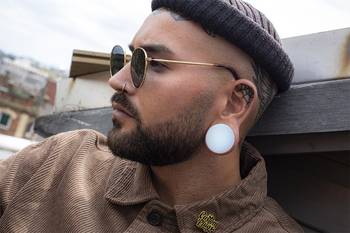

Opalite Glass Plug / Gauge
from
£7.00


Blue & Green Iridescent Glass Ear Tunnel
from
£11.00


Marble Black & Red Stone Plug / Gauge
from
£9.00


Amethyst Stone Tunnel
from
£10.00


Black Metal Dead Stretching Kit
from
£17.99
NEW
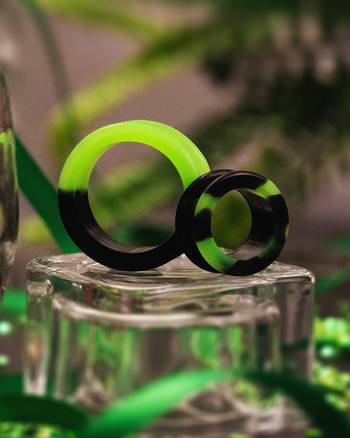

Neon Green & Black Marble Effect Silicone Ear Tunnel
from
£7.00
NEW


Clear & Black Glass Dead Stretching Kit
from
£16.99
NEW