GET SOCIAL WITH US
RECENT ARTICLES


Newsletter
Keep up-to-date with the latest promotions, news and releases!
Single Flare vs Double Flare Tunnels: Why Fit Feels Different

When choosing tunnels for stretched ears, the flare style plays a major role in how the jewellery feels and fits. Two of the most common options are single-flare tunnels and double-flare tunnels. While they may look similar at first glance, the way they sit in the ear, how they are inserted, and how they interact with your lobes can feel very different.
Understanding these differences helps you choose jewellery that suits your anatomy, comfort preferences, and stage in your stretching journey. This guide explains how single-flare and double-flare tunnels work, why they feel different when worn, and when each style is most suitable.
What Is a Single-Flare Tunnel?

A single flare tunnel has one flared edge on the front of the jewellery, while the back remains straight. The tunnel is usually secured with a small O-ring on the back to hold it in place.
Because only one side is flared, single flare tunnels are generally easier to insert and remove. The straight back allows the jewellery to slide into the piercing without forcing the lobe over a wider edge. This makes them a popular choice during stretching or while a stretch is still settling.
Single-flare tunnels also allow for slightly more flexibility in fit. If your lobes experience minor swelling or tightening throughout the day, the straight side can accommodate these changes more comfortably.
What Is a Double-Flare Tunnel?

Double flare tunnels have a flared edge on both the front and the back of the jewellery. The centre section between the flares is slightly narrower, which helps the jewellery stay securely in the lobe without the need for O-rings.
Because both ends are wider than the wearable section, the lobe must stretch slightly to allow the flare to pass through during insertion. For this reason, double-flare tunnels are best suited for fully healed and settled stretches rather than freshly stretched ears.
Once inserted, double-flare tunnels often feel very secure because the flares sit on either side of the lobe and prevent the jewellery from slipping out.
Why the Fit Feels Different
Even when two tunnels are technically the same size, the flare style changes how they interact with the ear.
With single-flare tunnels, the fit tends to feel more relaxed because the straight side allows the jewellery to move slightly within the piercing. The O-ring holds the tunnel in place without compressing the lobe too tightly. This can make single-flair jewellery feel lighter and easier to wear for long periods.
Double flare tunnels create a different sensation because the lobe sits between two wider edges. This can make the jewellery feel more stable and centred, but also slightly tighter depending on the flare size and your lobe elasticity.
The difference is not about the diameter of the tunnel itself but about how the flares interact with the surrounding tissue.
Insertion and Removal Differences
Insertion is one of the most noticeable differences between these two styles.

Single-flare tunnels are straightforward to insert. The straight side passes through the piercing easily, and the O-ring is then placed on the back to keep the jewellery secure. This process requires minimal pressure on the lobe.

Double-flare tunnels require more flexibility in the ear. The flare must pass through the piercing, which means the lobe needs enough elasticity to stretch slightly during insertion. Some people find it easier to insert them after a warm shower or when the lobes are well moisturised.
Removing double flair tunnels follows the same principle in reverse. The flare must pass back through the piercing, which can feel tight if the lobes are not fully relaxed.
Which Style Is Better for Stretching?
For active stretching or recently stretched lobes, single-flare tunnels are generally the better option. Their straight edge allows the jewellery to sit comfortably without forcing the tissue to stretch beyond its current size.
Because they are easy to remove and replace, they are also practical for cleaning and monitoring the health of the lobe during the stretching process.
Double flare tunnels are typically introduced once the stretch has fully healed and settled. At this stage, the lobes usually have enough elasticity to allow the flare to pass through without discomfort.
Stability and Everyday Wear
Many people prefer double-flare tunnels for everyday wear because they stay securely in place without the need for O-rings. This design reduces the chance of losing small components and often feels more balanced.
Single-flare tunnels, while slightly more flexible in fit, rely on O-rings to remain secure. These can occasionally move or loosen over time, which means checking them periodically is important.
Both styles can be comfortable for daily wear, but personal preference and anatomy play a significant role in which feels better.
Choosing the Right Tunnel for Your Lobes
The best flare style depends on several factors, including your current stretch size, how recently you stretched, and how elastic your lobes are.
If your stretch is new or still settling, single-flare tunnels provide a safer and more forgiving fit. If your lobes are fully healed and flexible, double-flare tunnels may feel more secure and streamlined.
Some people choose to keep both styles in their collection and rotate between them depending on comfort, healing stage, and jewellery preference.
Single Flare vs Double Flare Tunnels
Single-flare and double-flare tunnels may share the same basic purpose, but their fit and behaviour in the ear are quite different. Single-flare tunnels offer easier insertion and more flexibility, making them ideal for stretching and newly healed sizes. Double-flare tunnels provide a secure and balanced fit once the lobes are fully settled.
Understanding how flare design affects fit allows you to choose jewellery that works with your anatomy rather than against it. When the right tunnel style is chosen for the right stage of stretching, the result is greater comfort, stability, and long-term lobe health.
BESTSELLERS

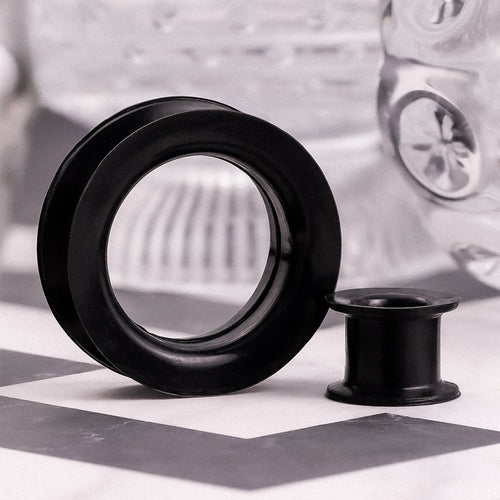
Black Silicone Ear Tunnel
from
£3.00
-v1657710003014.jpg?512x640&transform=resize=350)
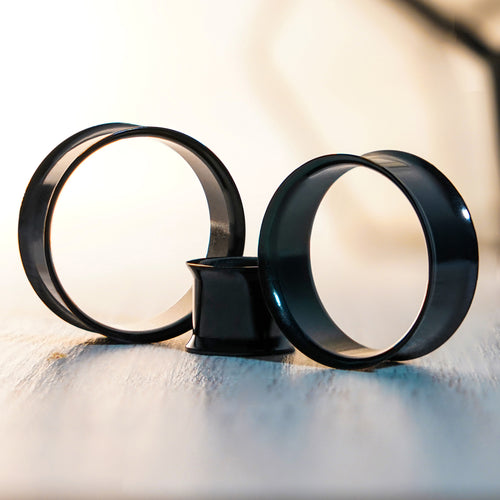
Black Stainless Steel Double Flared Tunnel
from
£7.00
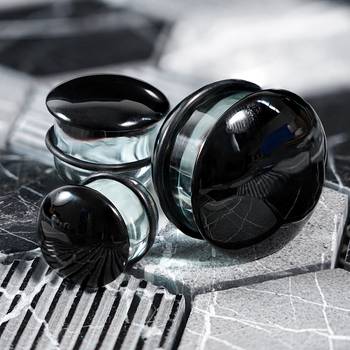
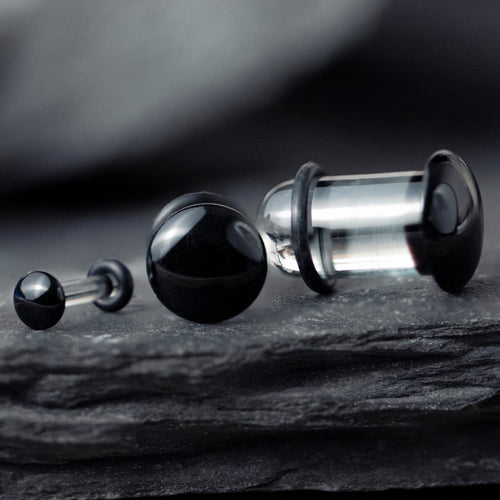
Clear & Black Single Flare Glass Plug / Gauge
from
£5.00
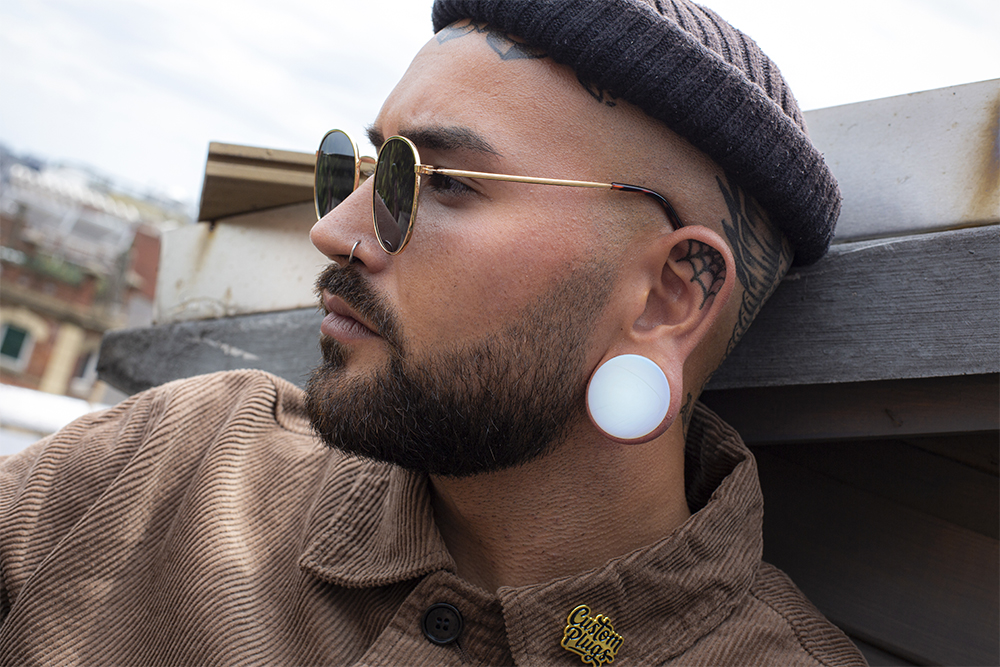
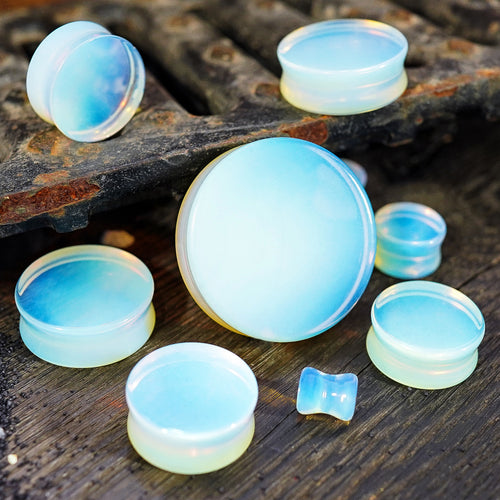
Opalite Glass Plug / Gauge
from
£6.00

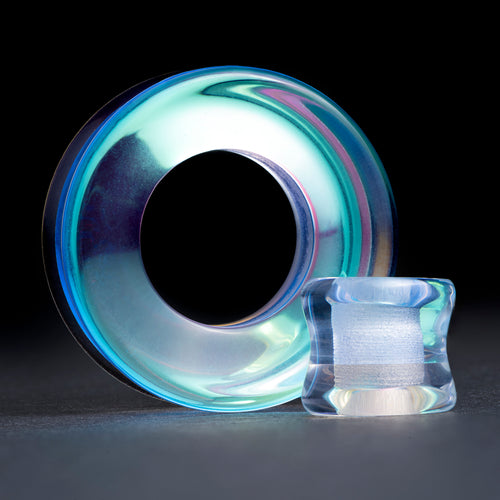
Blue & Green Iridescent Glass Ear Tunnel
from
£11.00

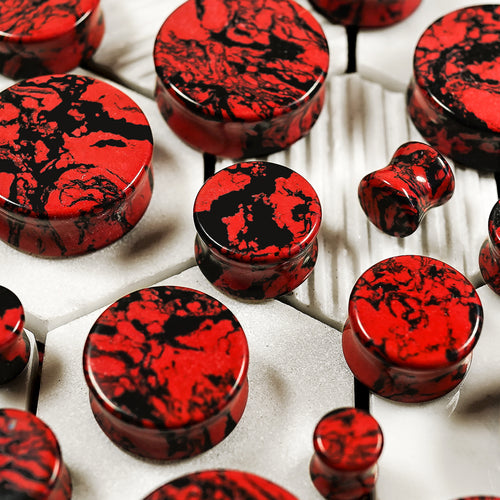
Marble Black & Red Stone Plug / Gauge
from
£9.00

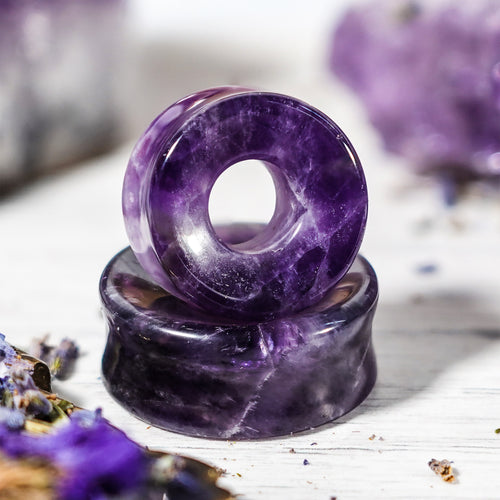
Amethyst Stone Tunnel
from
£8.00
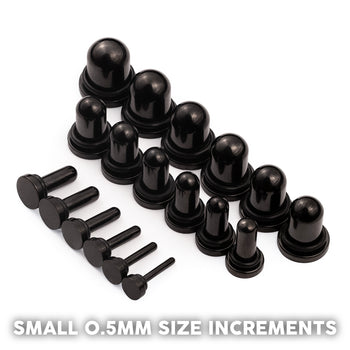
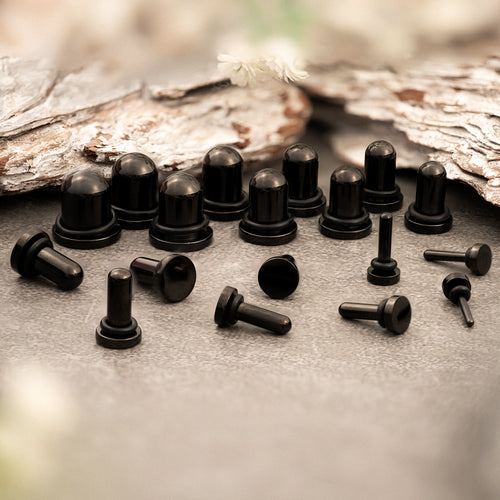
Black Metal Dead Stretching Kit
from
£15.99
NEW
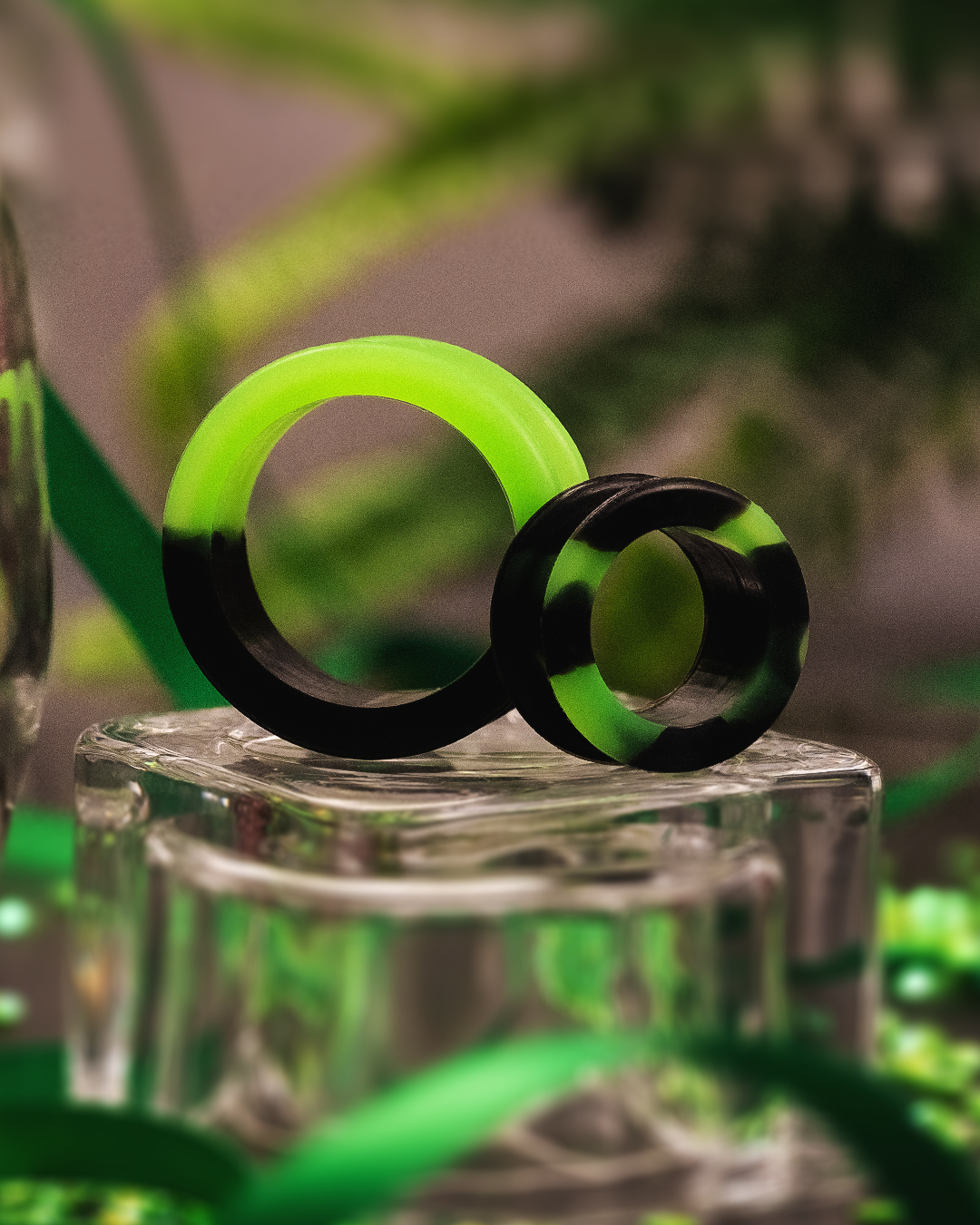
Neon Green & Black Marble Effect Silicone Ear Tunnel
from
£6.00
NEW


Clear & Black Glass Dead Stretching Kit
from
£15.99
NEW