GET SOCIAL WITH US
RECENT ARTICLES


Newsletter
Keep up-to-date with the latest promotions, news and releases!
Ear Weights With Saddles vs Traditional Ear Weights

Ear weights come in a wide variety of shapes and designs, but one distinction that is becoming increasingly important is the difference between traditional ear weights and saddle-style ear weights. While both styles are designed for stretched ears and create a hanging aesthetic, they distribute weight very differently.
For many people, the choice between the two comes down to comfort. However, the design can also affect how pressure is applied to the lobe, how stable the jewellery feels, and how suitable it is for extended wear.
Understanding these structural differences can help you choose ear weights that not only look good but also work with your anatomy and stretching goals.
What Are Traditional Ear Weights?

Traditional ear weights are designed to hang directly from the bottom portion of the stretched lobe. Most use a hook, loop, or hanging section that passes through the stretch and allows the weight to hang freely beneath the ear.
In this design, the majority of the load is concentrated at a relatively small contact point where the jewellery passes through the lobe.
This creates the classic hanging appearance that many people associate with ear weights. The jewellery moves naturally as you walk and often creates a dynamic, eye-catching look.
Traditional ear weights are available in countless styles, ranging from simple geometric designs to large decorative statement pieces.
What Are Saddle Ear Weights?

Saddle ear weights use a different approach. Rather than hanging entirely from a narrow contact point, the jewellery includes a wider saddle-shaped section that rests against a larger area of the stretched lobe.
This saddle distributes the load more evenly across the tissue. Instead of concentrating pressure at one point, the weight is spread over a broader surface area.
Many saddle ear weights still feature hanging elements below the ear, but the support structure works differently from traditional hanging designs.
For example, our amethyst silver saddle ear weights offer the perfect combination of hanging design, with a light ear weight.
This makes saddle ear weights feel noticeably different when worn, even when the overall weight is similar.
How Weight Distribution Changes Comfort
One of the biggest differences between these styles is how the weight is distributed.
Traditional ear weights focus much of their force on the lower section of the stretch. This concentrated pressure creates the distinctive pulling sensation that many wearers enjoy.
Saddle ear weights spread the force more evenly across the lobe. Because the pressure is distributed over a larger area, they often feel lighter than their actual weight would suggest.
This can make saddle designs more comfortable for extended wear, particularly for people with thinner or more sensitive lobes.
Why Saddle Ear Weights Often Feel More Stable
Stability is another area where saddle designs differ from traditional ear weights.
Traditional ear weights are designed to move. Their hanging structure allows natural swinging and shifting during movement, which contributes to their visual appeal.
Saddle ear weights tend to sit more securely against the ear. Because a larger portion of the jewellery rests within the stretch itself, there is often less rotation and movement.
Many people describe saddle ear weights as feeling more integrated with the ear, while traditional ear weights feel more like a suspended accessory.
How Each Style Affects Lobe Pressure
Pressure distribution plays an important role in long term comfort.
Traditional ear weights create a more concentrated downward force. Over time, frequent wear of heavy designs can place additional stress on the lower edge of the stretch.
Saddle ear weights reduce this concentration by spreading the load. This often results in less pressure on any single area of tissue.
While both styles can be worn safely in healed stretches, people concerned about lobe thickness or pressure management may prefer the more distributed support provided by saddle designs.
Appearance and Styling Differences
The choice between saddle and traditional ear weights is not only about comfort. Appearance also plays a major role.
Traditional ear weights often create a dramatic hanging effect. Their movement and suspension make them highly visible and ideal for statement jewellery.
Saddle ear weights tend to create a cleaner and more structured appearance. Because the jewellery sits more securely within the stretch, the overall look is often more controlled and balanced.
Neither style is inherently better. The decision usually comes down to the aesthetic you want to achieve.
Which Style Is Better for Long Wear Sessions?
For shorter periods, both styles are generally comfortable when properly fitted.
However, during extended wear, many people find saddle ear weights more comfortable because of their improved weight distribution.
Traditional ear weights can still be worn comfortably for long periods, but heavier designs may become more noticeable as the day progresses.
This is particularly true for larger statement pieces where significant weight is suspended below the lobe.
Can Saddle Ear Weights Help Protect Thin Lobes?
People with thinner lobes often pay close attention to how jewellery applies pressure.
Because saddle ear weights spread force over a larger surface area, they may feel gentler on thin or delicate tissue compared to traditional hanging designs.
This does not mean traditional ear weights are unsafe, but it does mean the wearing experience can be quite different depending on lobe anatomy.
Choosing the right design becomes increasingly important as jewellery weight increases.
Which Ear Weight Style Should You Choose?

The best choice depends on your priorities.
If you enjoy movement, a classic hanging aesthetic, and the traditional feel of ear weights, a conventional hanging design may be the better option.
If comfort, stability, and even pressure distribution are more important, saddle ear weights may offer advantages that make them easier to wear for longer periods.
Many experienced collectors keep both styles and choose between them depending on the occasion and how they want the jewellery to feel.
Final Thoughts
Although they may appear similar at first glance, saddle ear weights and traditional ear weights create very different wearing experiences. Traditional designs concentrate weight through a smaller contact area and create more movement, while saddle designs distribute pressure more evenly and provide greater stability.
Understanding how these designs interact with stretched lobes allows you to make more informed jewellery choices. Whether your priority is comfort, aesthetics, or long term wearability, choosing the right ear weight design can make a significant difference to how the jewellery feels throughout the day.
BESTSELLERS


Black Silicone Ear Tunnel
from
£4.00
-v1657710003014.jpg?512x640&transform=resize=350&format=webp)

Black Stainless Steel Double Flared Tunnel
from
£7.00


Clear & Black Single Flare Glass Plug / Gauge
from
£5.00
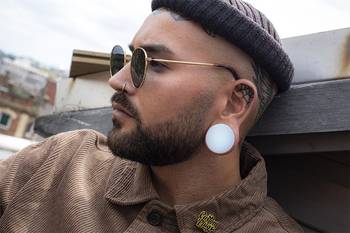

Opalite Glass Plug / Gauge
from
£6.00


Blue & Green Iridescent Glass Ear Tunnel
from
£11.00


Marble Black & Red Stone Plug / Gauge
from
£9.00


Amethyst Stone Tunnel
from
£8.00


Black Metal Dead Stretching Kit
from
£17.99
NEW
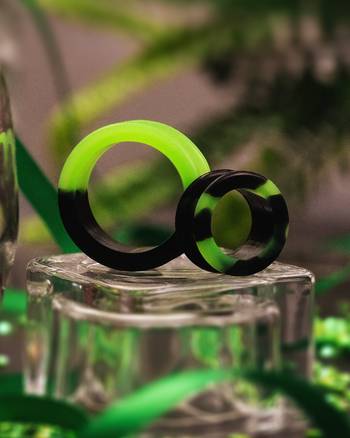

Neon Green & Black Marble Effect Silicone Ear Tunnel
from
£7.00
NEW


Clear & Black Glass Dead Stretching Kit
from
£16.99
NEW