GET SOCIAL WITH US
RECENT ARTICLES


Newsletter
Keep up-to-date with the latest promotions, news and releases!
A Material Guide to Body Jewellery With Custom Plugs
Choosing body jewellery is not just about style or size. The material plays a major role in comfort, safety, and long-term wear. Whether you are buying jewellery for a new piercing or upgrading a healed one, understanding how different materials behave helps you make better decisions.
This guide breaks down key material considerations, including gold, nickel compliance, and sterilisation. Rather than listing materials at a surface level, it focuses on what actually matters when jewellery is worn in the body.
Why Material Matters More Than You Think:
Body jewellery sits directly against sensitive tissue, often for long periods of time. This means the material must be stable, non-reactive, and suitable for the environment inside the body.
Poor quality materials can lead to irritation, discolouration, or discomfort. Even jewellery that looks similar on the surface can behave very differently depending on how it is made and finished.
Understanding materials is less about choosing what looks best and more about choosing what your body will tolerate over time.
Gold Jewellery: What You Need to Know

Gold is one of the most recognisable materials used in body jewellery. However, not all gold jewellery is suitable for piercings. Pure gold is very soft, so it is usually alloyed with other metals to increase durability.
For body jewellery, higher purity gold, such as 14k or 18k, is typically preferred. These options balance strength with reduced reactivity. Lower purity gold contains a higher percentage of other metals, which may increase the risk of irritation.
Finish quality is also important. Well polished gold jewellery feels smooth against the skin and reduces friction. Poorly finished gold can cause discomfort even if the material itself is suitable.
Understanding Nickel Compliance
Nickel is one of the most common causes of irritation in body jewellery. Many people have some level of sensitivity to nickel, even if they are not fully aware of it.
Nickel compliance refers to regulations that limit how much nickel can be released from jewellery. In the UK and EU, jewellery must meet specific standards to be considered safe for prolonged skin contact.
However, compliance does not always mean a complete absence of nickel. It simply means the release rate is within acceptable limits. For highly sensitive individuals, even compliant jewellery may still cause discomfort.
This is why materials such as titanium or high-quality gold are often preferred, as they reduce reliance on nickel-based alloys.
Surface Finish and Why It Matters
Material choice is only part of the equation. The surface finish of jewellery has a significant impact on comfort and wear.
Highly polished jewellery creates a smooth surface that reduces friction against the skin. This is especially important for healing piercings, where irritation can slow down recovery.
Rough or poorly finished surfaces can trap debris, increase irritation, and feel uncomfortable even if the base material is considered safe.
Two pieces of jewellery made from the same material can feel completely different depending on how well they are finished.
Sterilisation and Hygiene Considerations

Sterilisation is essential for jewellery used in new piercings. Professional piercers use sterilised jewellery to reduce the risk of infection during the piercing process.
Materials such as titanium and surgical-grade steel can withstand high-temperature sterilisation methods, making them suitable for initial piercings. Glass is also commonly used because it is non-porous and easy to sterilise.
For everyday wear, maintaining hygiene is about regular cleaning rather than full sterilisation. However, choosing materials that do not trap bacteria or absorb moisture helps keep jewellery easier to maintain.
Porous materials, such as some organic options, require more care and are usually better suited to fully healed piercings.
How Material Affects Long-Term Wear
Different materials behave differently over time. Some remain stable and consistent, while others react to moisture, skin oils, or environmental factors.

Metal jewellery tends to hold its shape and finish well, making it suitable for long-term use. Glass is also highly stable and does not react with the body, which is why it is often recommended for stretching.

Organic materials such as wood or horn can change over time, absorbing moisture or developing slight variations in colour. While these changes can be part of their appeal, they require more attention.
Choosing the right material depends on how you plan to wear your jewellery and how much maintenance you are comfortable with.
Choosing the Right Material for Your Needs
The best material depends on your piercing, your skin sensitivity, and your lifestyle. For new or sensitive piercings, materials that are stable, smooth, and easy to sterilise are usually the safest choice.
For healed piercings, there is more flexibility. This allows you to explore different materials and styles while still prioritising comfort.
It is also worth considering how often you change your jewellery. Materials that are easy to clean and handle can make regular changes more convenient.
Final Thoughts
Material choice is one of the most important aspects of body jewellery, yet it is often overlooked in favour of appearance. Gold purity, nickel compliance, surface finish, and sterilisation all play a role in how jewellery feels and performs.
By understanding these factors, you can choose jewellery that not only looks good but also supports comfort, safety, and long-term wear.
BESTSELLERS

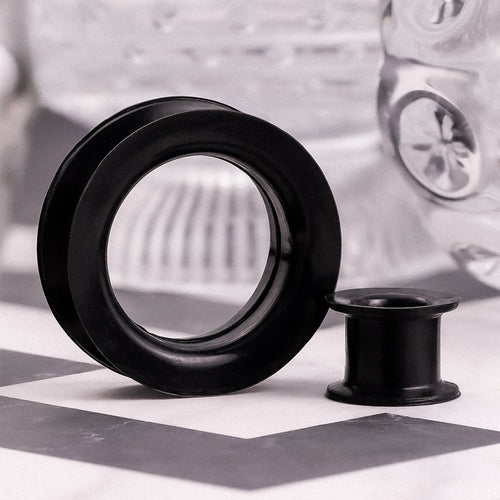
Black Silicone Ear Tunnel
from
£3.00
-v1657710003014.jpg?512x640&transform=resize=350)
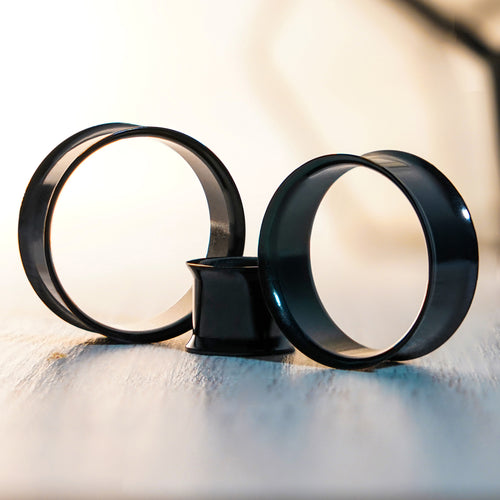
Black Stainless Steel Double Flared Tunnel
from
£7.00
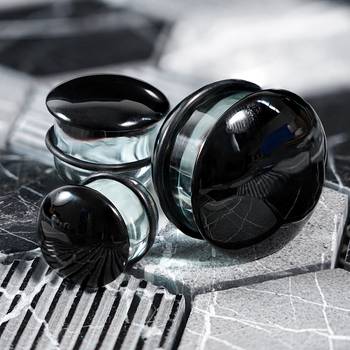
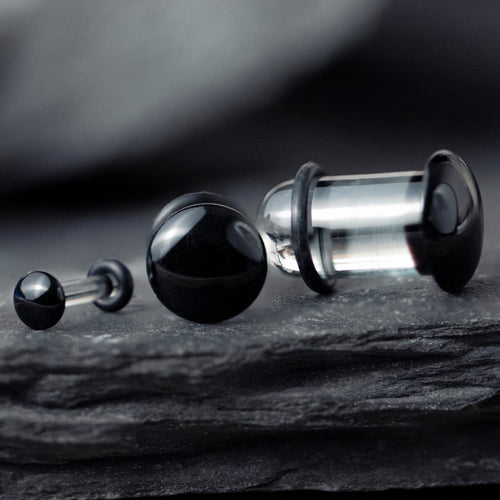
Clear & Black Single Flare Glass Plug / Gauge
from
£5.00
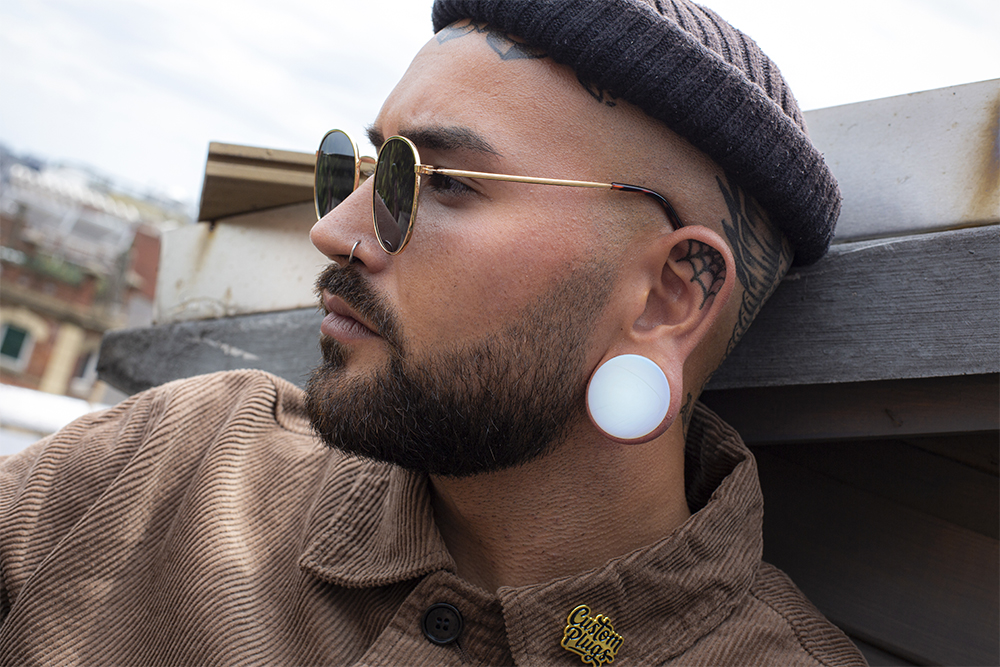
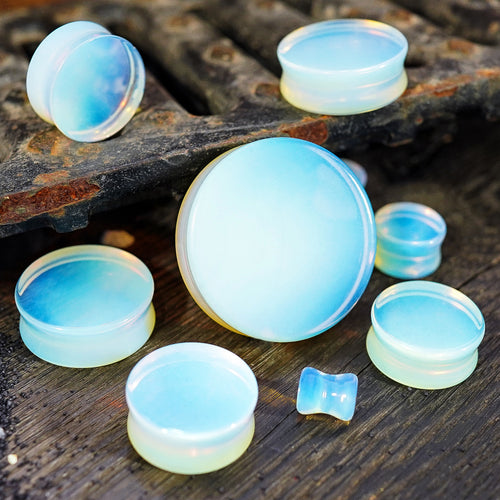
Opalite Glass Plug / Gauge
from
£6.00

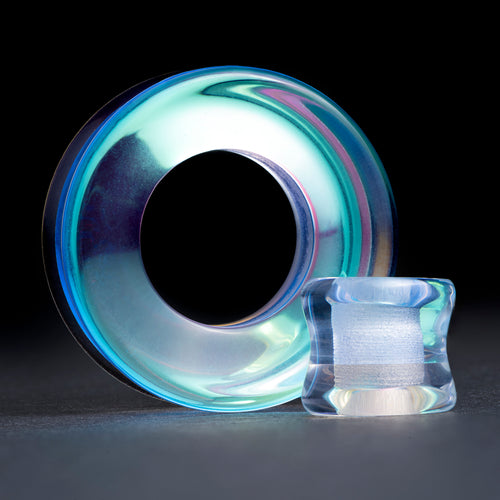
Blue & Green Iridescent Glass Ear Tunnel
from
£11.00

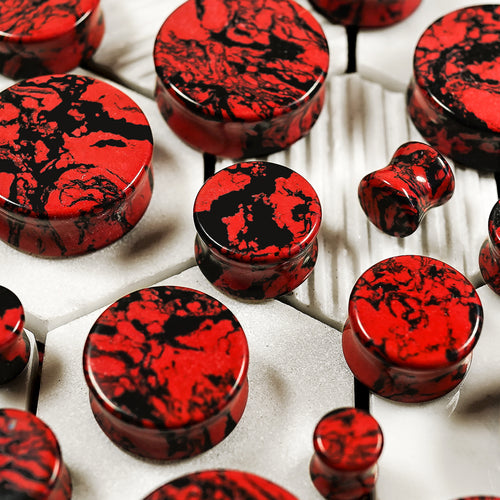
Marble Black & Red Stone Plug / Gauge
from
£9.00

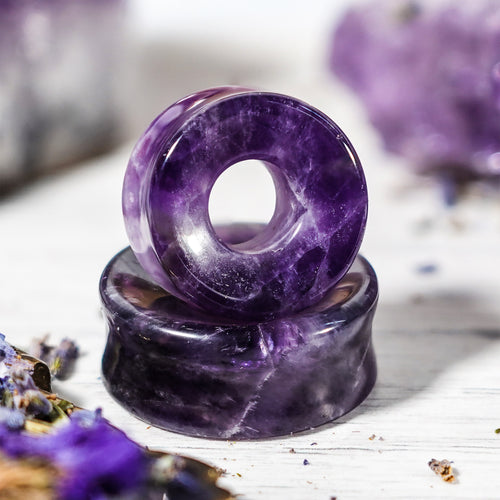
Amethyst Stone Tunnel
from
£8.00
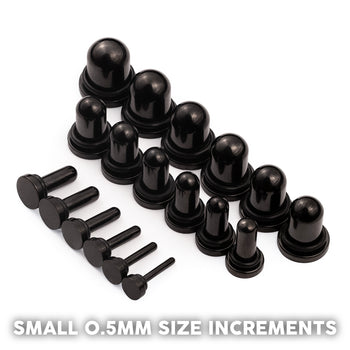
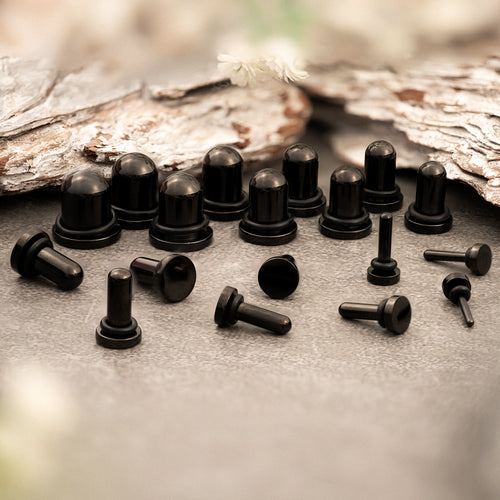
Black Metal Dead Stretching Kit
from
£15.99
NEW
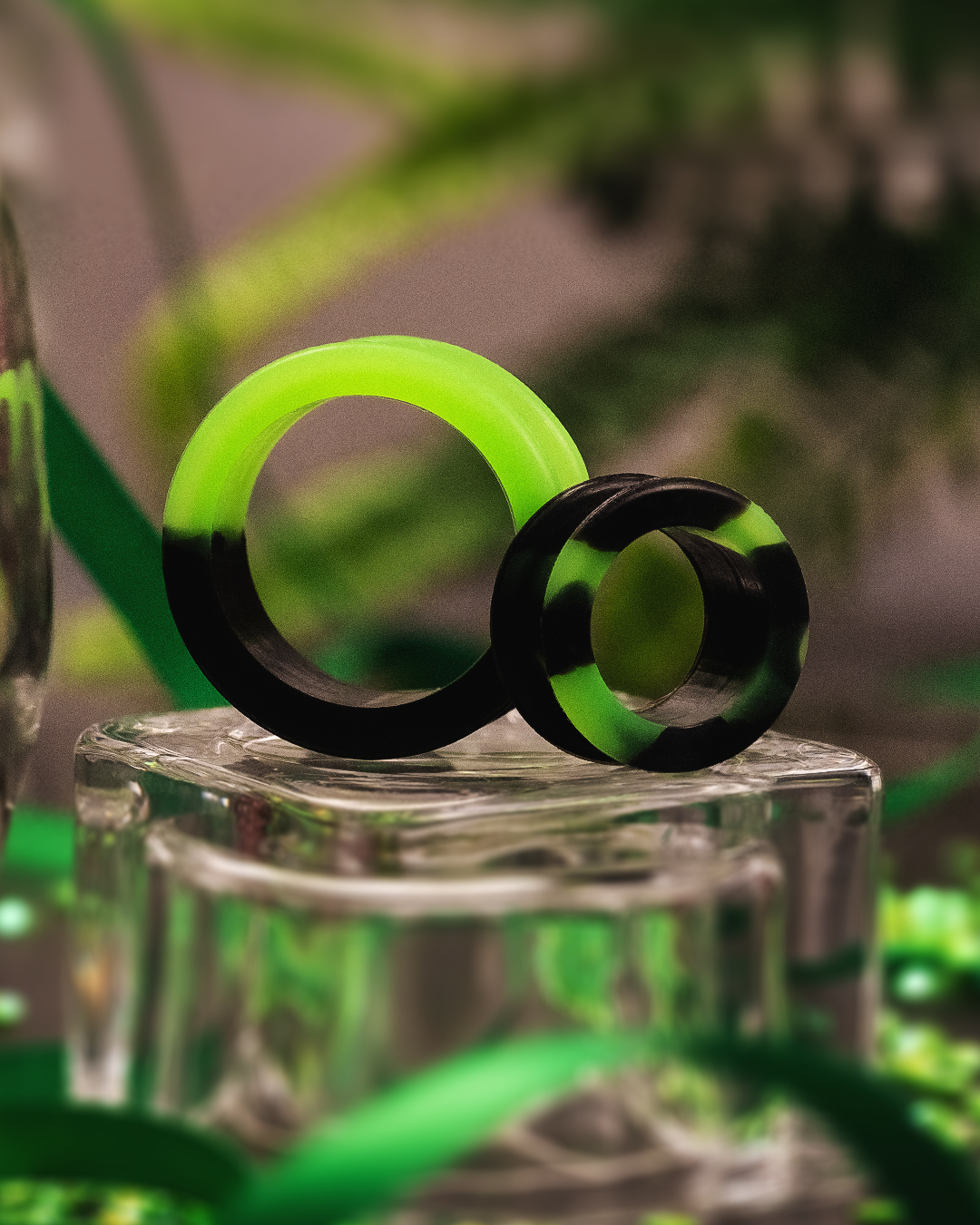
Neon Green & Black Marble Effect Silicone Ear Tunnel
from
£6.00
NEW


Clear & Black Glass Dead Stretching Kit
from
£15.99
NEW