ERHALTEN SIE SOZIAL MIT UNS
AKTUELLE ARTIKEL


Newsletter
Bleiben Sie über die neuesten Werbeaktionen, Neuigkeiten und Veröffentlichungen auf dem Laufenden!
The Best Plug Shapes for Thin Lobes: An Anatomy-Aware Guide
Not all earlobes are built the same. While many stretching guides focus on size progression and materials, far fewer discuss how lobe anatomy affects comfort, safety and long-term results. One of the most important but overlooked factors is lobe thickness. People with thinner lobes often experience different challenges when stretching and wearing plugs, including pressure points, uneven wear and increased risk of thinning.
Understanding which plug shapes work best for thin lobes can make a significant difference to comfort and lobe health. This guide explains how different shapes interact with thin tissue and how to choose jewellery that supports your anatomy rather than working against it.
What Are Thin Lobes, and Why Do They Matter?
Thin lobes are usually characterised by less fatty tissue between the front and back of the ear. Some people are born with naturally thin lobes, while others develop thinning over time due to stretching too quickly, wearing heavy jewellery, or prolonged use of large sizes.
Thin lobes are not a problem on their own, but they require more thoughtful jewellery choices. Because there is less tissue to distribute pressure, certain plug shapes can place stress on specific areas of the lobe. Over time, this can lead to uneven stretching, irritation or further thinning.
Choosing the right plug shape helps distribute weight evenly and reduces strain on vulnerable areas of the lobe.
Why Plug Shape Is More Important Than Size for Thin Lobes
Many stretchers focus heavily on size progression, but for thin lobes, shape often matters more than diameter. Two plugs of the same size can feel completely different depending on their profile, flare design and wearable area.
A shape that concentrates pressure in a small area can slowly weaken thin tissue, even if the size itself is not large. On the other hand, a shape that spreads weight evenly across the lobe can feel comfortable and stable even at larger sizes.
This is why anatomy-aware jewellery selection is essential for long-term lobe health.
Rounded Plugs and Why They Are Usually the Safest Option

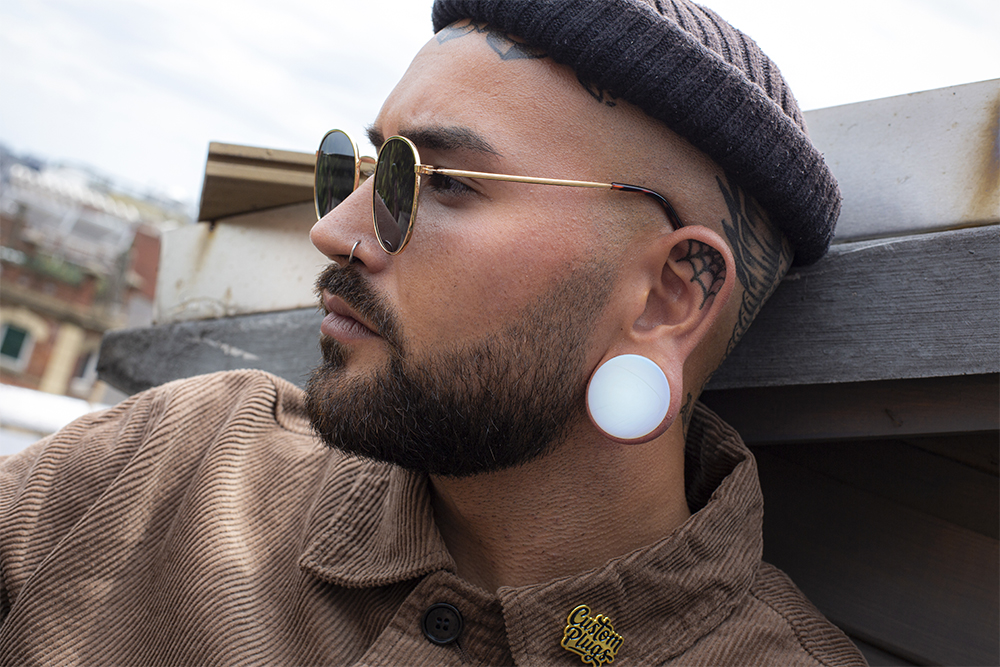
For thin lobes, classic round plugs are often the safest and most comfortable choice. Their symmetrical shape allows pressure to be distributed evenly across the entire circumference of the lobe. This reduces the likelihood of stress points forming at the top or bottom of the piercing.
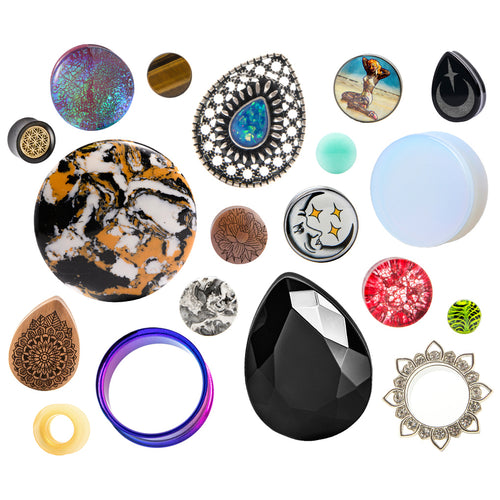
Rounded plugs also tend to sit more predictably in the ear. This stability is especially helpful for thin lobes, which may otherwise allow jewellery to tilt or pull unevenly. Materials such as glass, wood and lightweight acrylic work particularly well in round designs.
When in doubt, round plugs are usually the best starting point for anyone concerned about lobe thickness.
Single Flare Plugs and Controlled Pressure

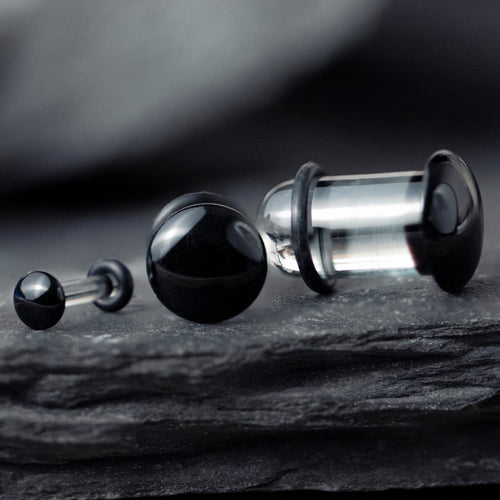
Single flare plugs are an excellent option for thin lobes, especially during active stretching or downsizing phases. Because they only flare on one side and are secured with an O-ring, they allow the lobe to sit naturally without being forced over a wide flare.
This design reduces insertion stress and allows the tissue to adjust more gradually. Thin lobes often respond better to this controlled pressure, particularly if they are prone to irritation or tightness.
Single-flare plugs also make it easier to monitor lobe health, as they can be removed and cleaned without resistance.
Double Flare Plugs and When to Be Cautious

Double-flare plugs can be worn successfully by people with thin lobes, but they require careful selection. Large or aggressive flares can compress thin tissue and create pressure rings that slowly weaken the lobe.
If choosing double-flared jewellery, it is important to look for pieces with gentle, rounded flares rather than sharp edges. A longer wearable area can also help distribute pressure more evenly.
Double-flare plugs should only be worn in fully healed lobes. If your lobes feel tight, sore or resistant, this style may not be suitable at that time.
Saddle Plugs and Why They Can Be Risky

Saddle plugs are shaped to curve inward at the centre and flare outward at the edges. While they can look striking, they are often not ideal for thin lobes. The inward curve can place increased pressure on the thinnest part of the tissue, particularly at the bottom of the lobe.
Over time, this pressure concentration can contribute to uneven stretching or further thinning. For people with naturally thin lobes, saddle plugs are best reserved for occasional wear rather than daily use.
Teardrop and Oval Shapes and Directional Stress

Teardrop and oval plugs introduce directional pressure. Unlike round plugs, these shapes apply more force along specific axes. For thin lobes, this can encourage stretching in one direction more than another, leading to elongation or distortion.
If wearing these shapes, it is wise to rotate them regularly and limit wear time. They can be used safely as statement pieces but are not ideal for long-term everyday wear in thin lobes.
Wearable Area and Why Length Matters
The wearable area is just as important as the external shape of the plug. Thin lobes often benefit from jewellery with a slightly longer wearable area, as it spreads pressure across more tissue.
Plugs that are too short can pinch the lobe, while those with adequate depth sit more comfortably and securely. When shopping for plugs, checking wearable area measurements can help prevent unnecessary stress on thin tissue.
Weight Considerations for Thin Lobes
Even the best plug shape can cause issues if the jewellery is too heavy. Thin lobes are less able to support downward force, especially over long periods.
Lightweight materials such as wood, acrylic and glass are generally better choices. Heavier stone or metal plugs should be worn cautiously and for shorter durations if lobe thickness is a concern.
Final Thoughts with Custom Plugs
Thin lobes require a more thoughtful approach to jewellery selection, but they can still stretch and wear plugs safely with the right choices. Rounded shapes, gentle flares and appropriate wearable areas all help protect delicate tissue and support long-term lobe health.
By understanding how different plug shapes interact with your anatomy, you can reduce strain, prevent further thinning and enjoy your jewellery comfortably for years to come. Stretching is not about forcing your body to adapt. It is about working with your anatomy and respecting its limits.
BESTSELLER

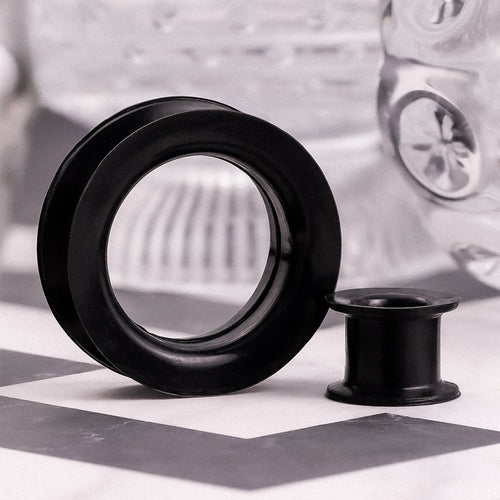
Schwarzer Silikon-Ohr-Tunnel
ab
£3.00
-v1657710003014.jpg?512x640&transform=resize=350)
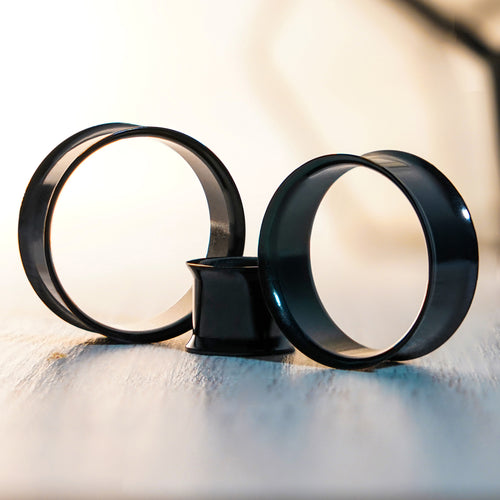
Schwarzer Double-Flared-Tunnel aus Edelstahl
ab
£7.00
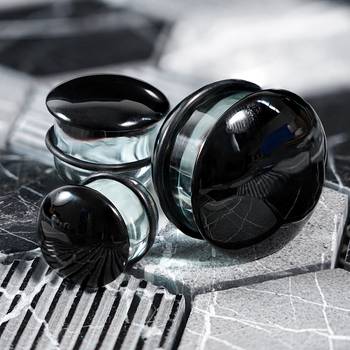
Klar & Schwarz Single Flare Glas Plug / Gauge
ab
£5.00
Opalitglas Plug / Messgerät
ab
£6.00

Blaue & grüne irisierende Glas-Ohr-Tunnel
ab
£11.00

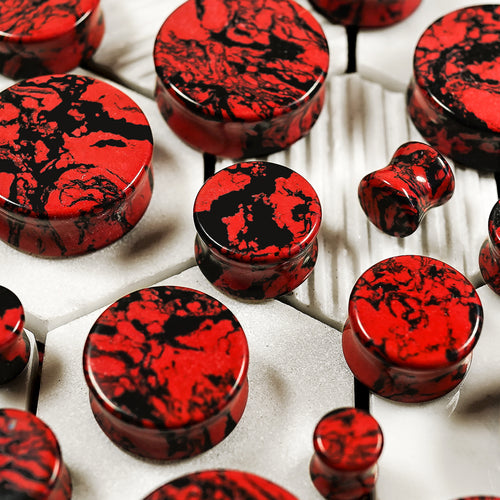
Marmor Schwarz & Roter Stein Plug / Messgerät
ab
£9.00

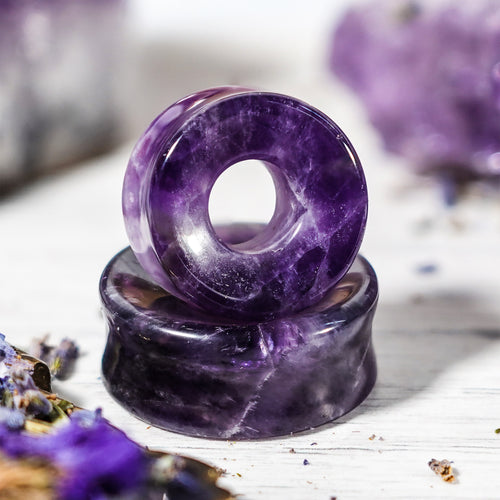
Amethyst Stein Tunnel
ab
£8.00
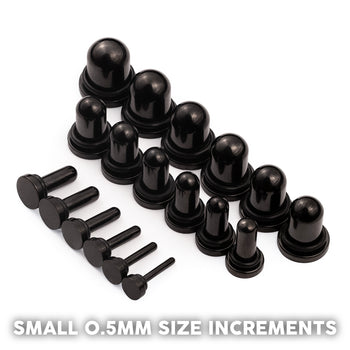
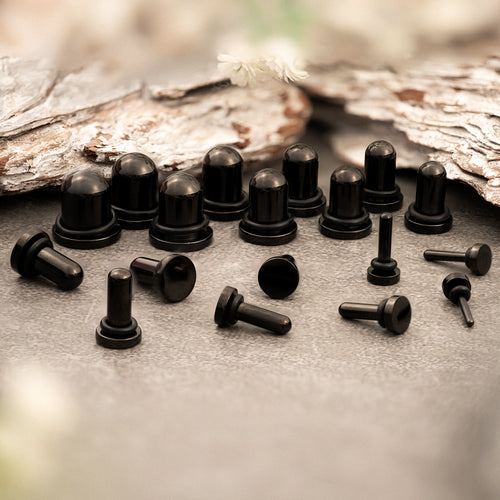
Schwarzes Metall-Dead-Stretching-Set
ab
£15.99
NEU
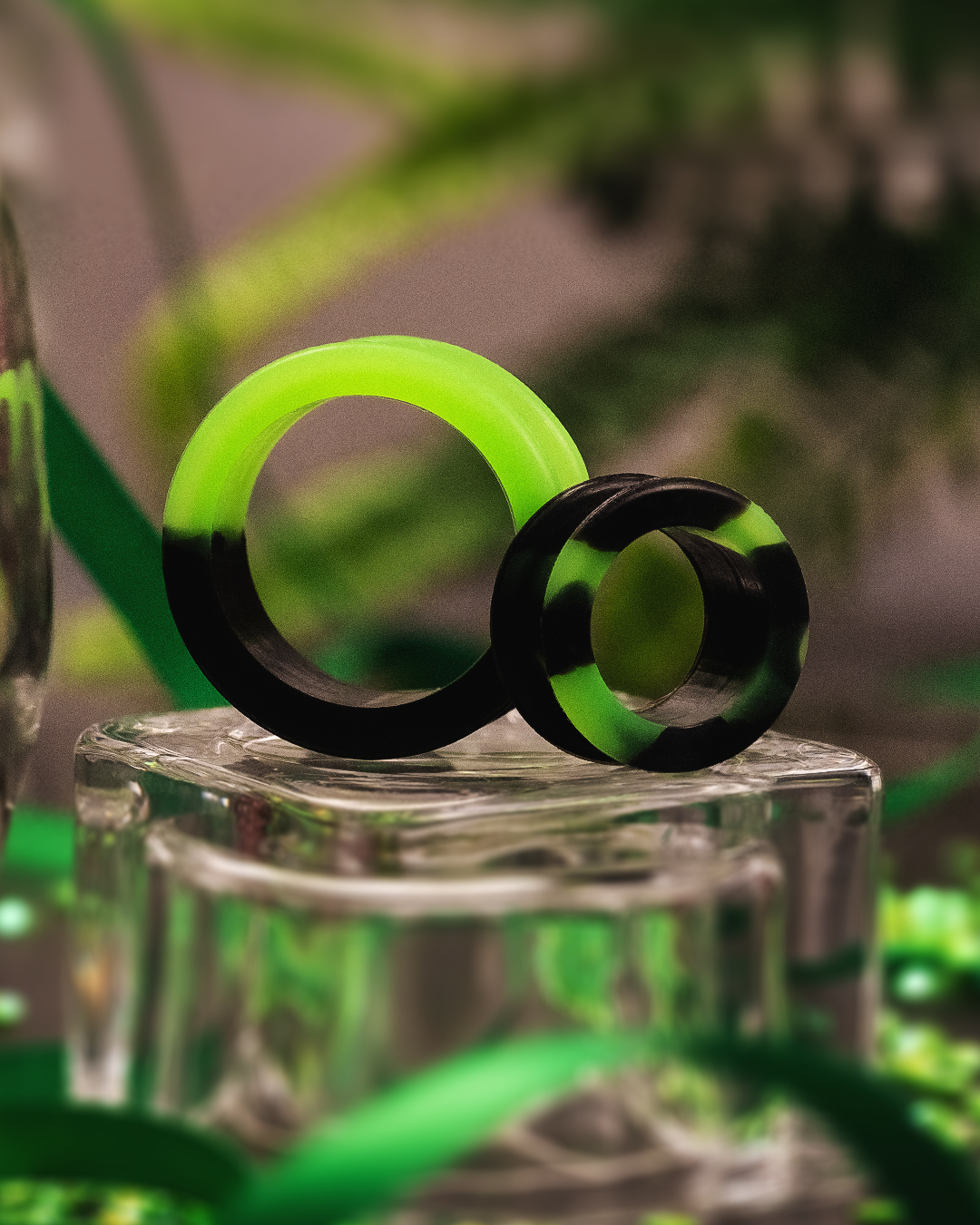
Neongrüner & Schwarzer Silikon-Ohrtunnel in Marmoroptik
ab
£6.00
NEU


Clear & Schwarzes Glas-Dead-Stretching-Set
ab
£15.99
NEU