ERHALTEN SIE SOZIAL MIT UNS
AKTUELLE ARTIKEL


Newsletter
Bleiben Sie über die neuesten Werbeaktionen, Neuigkeiten und Veröffentlichungen auf dem Laufenden!
Jojoba, Vitamin E, Emu Oil & More: Which Oils Are Best for Stretched Lobes?

Caring for stretched ears goes far beyond choosing the perfect plugs. Healthy, moisturised lobes are essential for safe stretching, reducing irritation, and keeping tissue strong. One of the best ways to achieve this is by using oils, but with so many different types on the market, it can be difficult to know which ones genuinely help and which ones are best avoided.
In this guide, we break down the most effective oils for stretched lobes, why they work, how to use them properly, and which products you should steer clear of. Whether you're beginning your stretching journey or maintaining fully healed lobes, the right oil will make a noticeable difference.
Why Oils Matter for Stretched Lobes
Stretched ears respond extremely well to regular moisturising. Oils help keep the skin supple, which is vital when your lobes are expected to expand gradually over time. Hydration prevents cracking and dryness - two issues that can lead to micro-tears or even blowouts when stretching.
Oils also improve circulation when massaged into the tissue, supporting healing and maintaining elasticity. In other words, consistent oiling is one of the most effective ways to keep your lobes healthy, flexible, and ready for progression.
The Best Oils for Stretched Ears

Jojoba Oil - The Gold Standard
Jojoba oil is widely considered the best all-round choice for stretched lobes. Unlike many plant oils, jojoba closely mimics the skin’s natural sebum, making it incredibly gentle and easy for the body to absorb. It soothes dryness without leaving a greasy residue, and it contains natural antimicrobial properties that help prevent irritation.
This oil is suitable for daily use and works beautifully for lobe massages. Because it strengthens the skin in such a natural way, many experienced stretchers use jojoba as their go-to oil for both maintenance and pre-stretch preparation.
Vitamin E Oil - Great for Elasticity and Scar Tissue
Vitamin E oil is well known for its ability to support skin repair, making it especially useful for lobes that feel thickened or have developed scar tissue over time. It can help improve elasticity and promote softness, which makes stretching more comfortable.
However, vitamin E oil can be quite heavy and may irritate sensitive skin when used alone. It’s often best combined with a lighter carrier oil such as jojoba. When blended, it becomes an excellent treatment for older lobes or those that have experienced previous stretching challenges.
Emu Oil - Deeply Moisturising and Healing
Emu oil is a powerful moisturiser that penetrates deeper into the skin than most plant-based oils. This makes it particularly effective for restoring hydration to lobes that feel stressed, irritated, or overly dry. Its natural anti-inflammatory properties help soothe discomfort from stretching, and it can assist in healing small micro-tears caused by impatience or incorrect technique.
It is worth noting that emu oil is animal-derived, so it may not be suitable for vegan customers. For those who do use it, however, it remains one of the most effective restorative oils available for stretched ears.
Coconut Oil - Great for Some, Not for All
Coconut oil is easy to find and smells lovely, so it’s a popular choice for general skincare - and it can work well for stretched lobes too. It provides excellent moisture and has natural antifungal properties that can help with unwanted odour.
However, coconut oil is comedogenic, meaning it can clog pores. If you have sensitive or acne-prone skin, or if you notice irritation when using it, you may want to switch to a lighter option like jojoba or glass-friendly emu oil. Coconut oil also becomes solid in cold weather, which can make winter application a bit inconvenient.
Tea Tree Oil - Use Only in Diluted Form
Tea tree oil is extremely potent and should never be used on stretched lobes without dilution. While it can help with irritation, mild bacterial issues, or the dreaded “ear cheese” smell, it can also dry out or burn the skin if applied directly.
For safety, tea tree oil should always be mixed with a carrier oil. When used sparingly and correctly, it can serve as an occasional treatment rather than part of an everyday routine.
How to Massage Your Stretched Lobes

Massaging your lobes is just as important as choosing the right oil. A short daily massage increases blood flow, softens the tissue, and boosts elasticity - all essential for healthy stretching.
Begin by washing your hands thoroughly and gently cleaning your lobes. Apply a few drops of your chosen oil and work it into the skin using circular motions. Take your time, spending three to five minutes massaging each lobe. This practice can be done daily or several times a week, especially before attempting to size up.
Oils You Should Never Use on Stretched Lobes
Not every oil is safe for body modifications. Baby oil, for example, is petroleum-based and traps bacteria under the skin. Essential oils like lavender or peppermint are too strong for direct application and may cause stinging or inflammation. Olive oil tends to be heavy, sticky, and prone to going rancid, making it unsuitable for stretched ears. When in doubt, avoid thick, heavily fragranced, or petroleum-based products. Your lobes will thank you.
How Often Should You Oil Your Lobes?
For most people, a daily application of jojoba oil provides the best level of hydration. Vitamin E and emu oil can be used a few times a week as deeper treatments, while tea tree oil should be reserved for occasional targeted care. If you live in a cold climate or stretch frequently, you may need to moisturise more regularly to compensate for dryness.
Final Thoughts with Custom Plugs
Healthy stretched lobes start with proper care, and using the right oils is one of the easiest ways to keep your skin soft, strong, and ready for safe stretching. Jojoba oil is the standout choice for daily hydration, while vitamin E and emu oil offer deeper restorative benefits. Coconut oil can work well for some, while tea tree oil should always be used cautiously and only when diluted.
By choosing the right oil and making lobe care part of your routine, you’ll support smoother stretches, reduce irritation, and keep your ears looking and feeling their best.
BESTSELLER

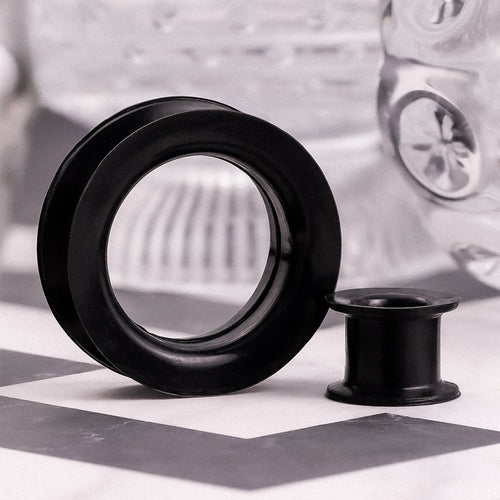
Schwarzer Silikon-Ohr-Tunnel
ab
£3.00
-v1657710003014.jpg?512x640&transform=resize=350)
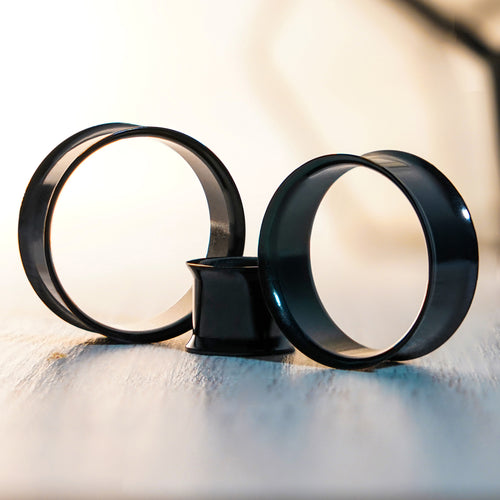
Schwarzer Double-Flared-Tunnel aus Edelstahl
ab
£7.00
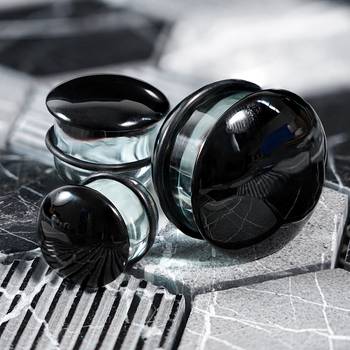
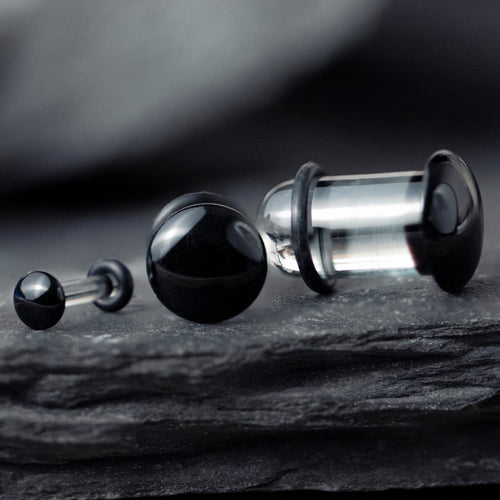
Klar & Schwarz Single Flare Glas Plug / Gauge
ab
£5.00


Opalitglas Plug / Messgerät
ab
£6.00

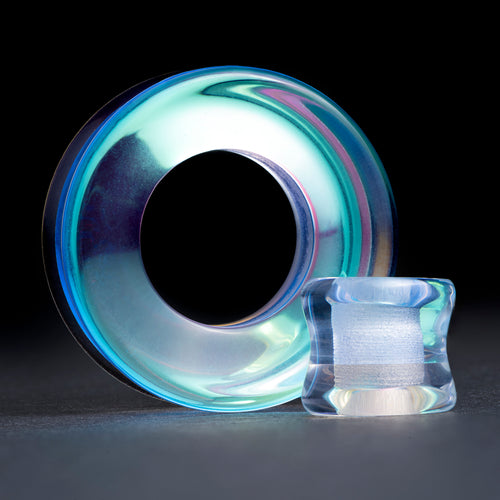
Blaue & grüne irisierende Glas-Ohr-Tunnel
ab
£11.00

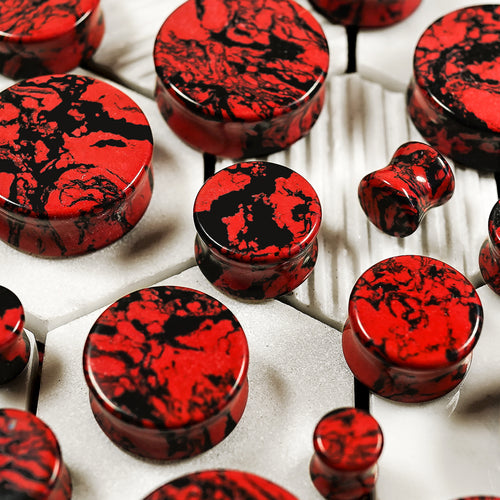
Marmor Schwarz & Roter Stein Plug / Messgerät
ab
£9.00

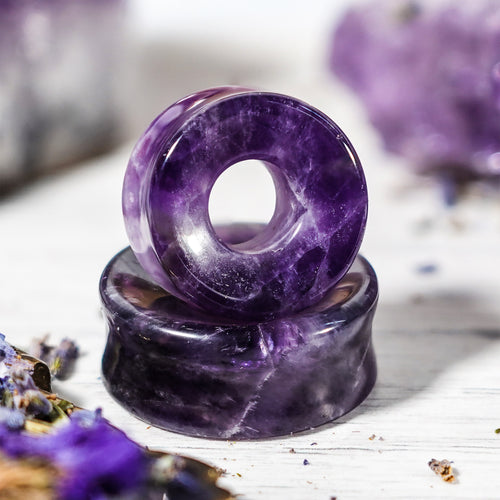
Amethyst Stein Tunnel
ab
£8.00
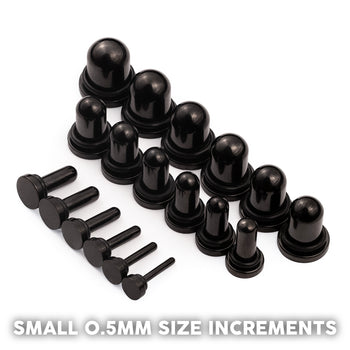
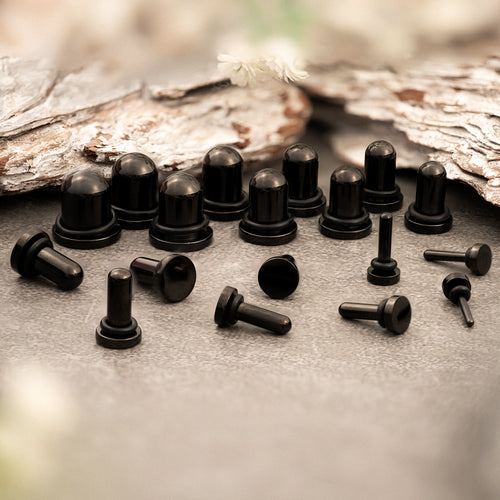
Schwarzes Metall-Dead-Stretching-Set
ab
£15.99
NEU
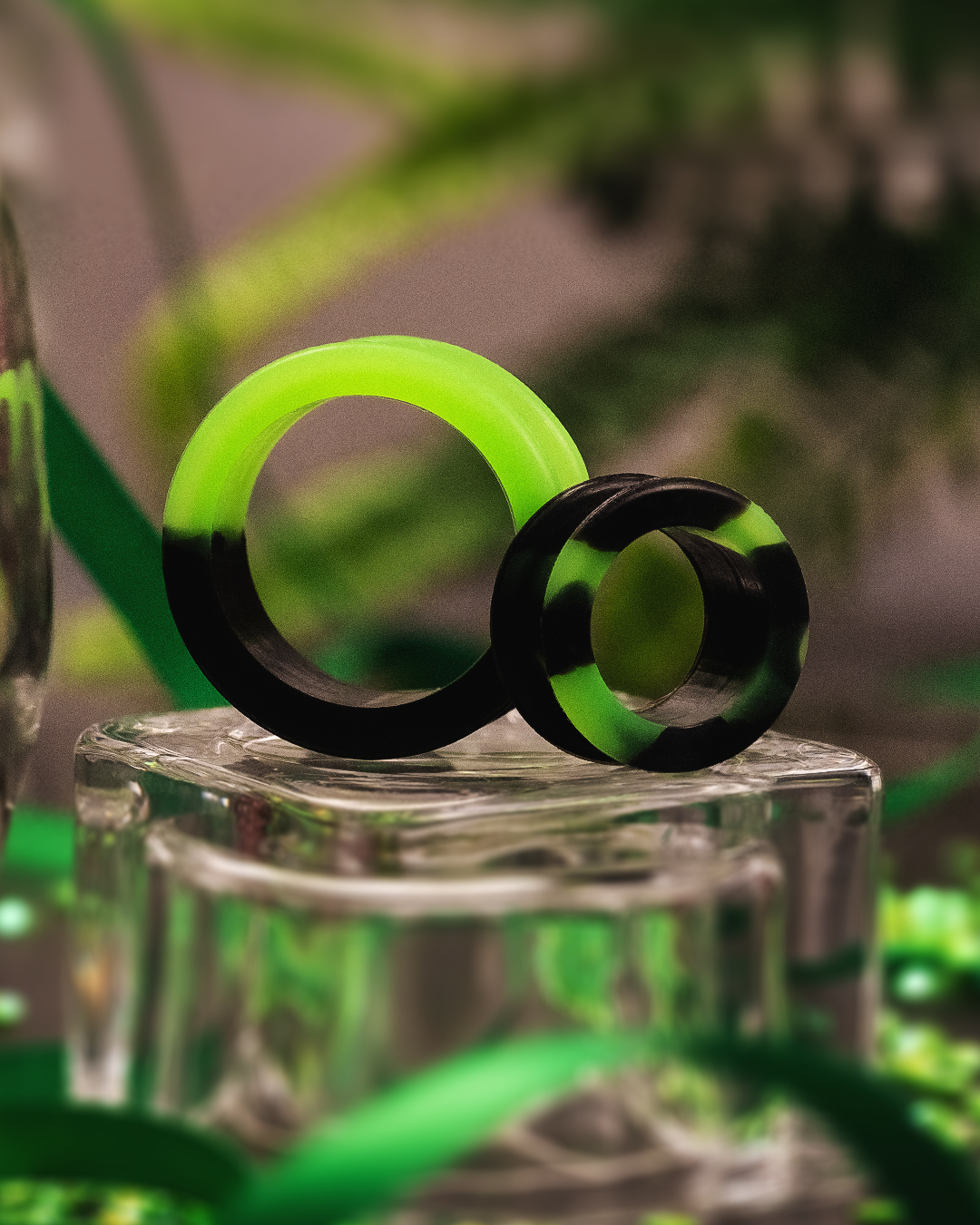
Neongrüner & Schwarzer Silikon-Ohrtunnel in Marmoroptik
ab
£6.00
NEU


Clear & Schwarzes Glas-Dead-Stretching-Set
ab
£15.99
NEU