ERHALTEN SIE SOZIAL MIT UNS
AKTUELLE ARTIKEL


Newsletter
Bleiben Sie über die neuesten Werbeaktionen, Neuigkeiten und Veröffentlichungen auf dem Laufenden!
Getting a Piercing: A Guide to the Studio

Getting a new piercing is exciting, but the experience is about much more than choosing jewellery and sitting in the chair. Knowing how to prepare, how to behave in a piercing studio, and what mistakes to avoid can make the difference between a smooth, positive experience and one that feels awkward, rushed, or stressful.
This guide is designed to help you feel confident and prepared before your appointment. Whether it is your first piercing or your tenth, understanding the unwritten rules of piercing studios and the common don’ts will help you get the best possible result.
What to Do Before Getting a Piercing
Preparation starts well before you walk through the studio door. One of the most important things you can do is research your piercer. Look for studios that are transparent about hygiene, licensing, and experience. Reviews, portfolios, and healed examples are far more important than flashy social media posts.
Eat a proper meal before your appointment. Piercings can cause a drop in blood sugar, especially if you are nervous. Turning up hungry increases the chance of dizziness or feeling faint. Staying hydrated is just as important, as dehydration can make pain feel more intense and healing slower.
Wear comfortable clothing that allows easy access to the area being pierced. Tight collars, high necklines, or restrictive outfits can make the process more awkward than it needs to be. Clean skin is essential, but avoid using heavy lotions, oils, or perfumes on the area beforehand.
It is also worth thinking carefully about placement and lifestyle. Consider work requirements, sleeping habits, sports, headphones, helmets, and glasses. A piercing should fit into your life, not constantly work against it.
What to Expect When You Arrive at the Studio

A professional piercing studio should feel calm, clean, and organised. You will usually be asked to fill out a consent form and show identification. This is standard practice and a good sign of professionalism.
Your piercer should talk you through placement, jewellery options, and aftercare. This is your chance to ask questions. A good piercer will never rush you or make you feel uncomfortable for wanting clarity. If something feels off or you feel pressured, it is okay to walk away.
The Unwritten Rules of Piercing Studios
There are certain expectations in piercing studios that are rarely written down but widely understood.
Do not bring unnecessary guests. Most studios limit how many people you can bring into the piercing room, and some do not allow spectators at all. This is about hygiene, focus, and your own comfort.
Avoid touching anything unless invited to do so. Sterile equipment, trays, and jewellery are prepared carefully. Touching surfaces or tools breaks that sterile environment.
Keep your phone away unless you are asked to check something specific. Filming or taking photos without permission is considered disrespectful and distracting.
Trust the piercer’s expertise, but speak up if something feels wrong. Collaboration is encouraged, but arguing over placement after it has been carefully marked and discussed can create tension.
Piercing Don’ts That Can Ruin the Experience
One of the biggest mistakes people make is turning up under the influence of alcohol or drugs. This increases bleeding, affects consent, and can result in being turned away. Even if a studio does not explicitly state this rule, it is universally enforced.
Do not lie about medical conditions, allergies, or previous reactions. This information helps the piercer choose appropriate jewellery and placement. Withholding it can lead to complications.
Avoid changing your jewellery too early. Many problems occur not during the piercing itself but in the weeks that follow when people become impatient. Healing takes time, especially with cartilage piercings.
Another common mistake is over-cleaning. Cleaning too often or using harsh products can irritate the piercing and slow healing. Following professional aftercare advice is always better than following random tips online.
How to Behave During the Piercing

Stay still and follow instructions. Sudden movement can affect placement or cause unnecessary discomfort. Breathing steadily helps manage pain and keeps your body relaxed.
If you feel faint, dizzy, or overwhelmed, say so immediately. Piercers are trained to respond and would rather pause than push through.
Pain is usually brief. The anticipation often feels worse than the piercing itself. Staying calm and present helps the experience pass quickly.
After the Piercing: The First Few Hours Matter
Once the piercing is done, you will be given aftercare instructions. This is not generic advice. It is tailored to the placement, jewellery, and your anatomy. Following it closely in the first few weeks significantly reduces irritation and healing issues.
Avoid unnecessary touching, twisting, or showing the piercing off by moving it around. Let the jewellery sit naturally while your body begins the healing process.
Final Thoughts
A good piercing experience is a partnership between you and your piercer. Preparation, respect, and realistic expectations go a long way. Understanding the unwritten rules of piercing studios and avoiding common don’ts helps create a calmer environment and better results.
Piercings are a long-term commitment, not a spontaneous decision to rush through. Taking the time to prepare properly means you are far more likely to love the result and enjoy the process along the way.
BESTSELLER

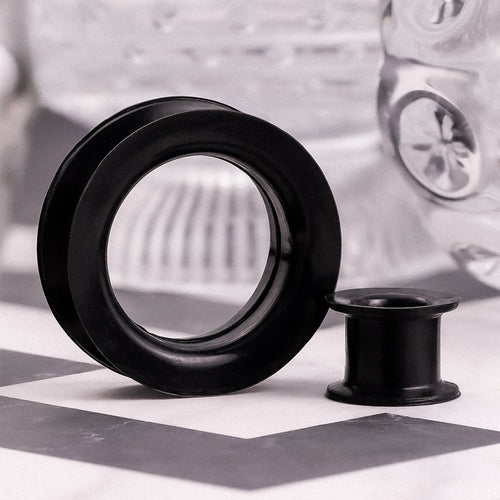
Schwarzer Silikon-Ohr-Tunnel
ab
£3.00
-v1657710003014.jpg?512x640&transform=resize=350)
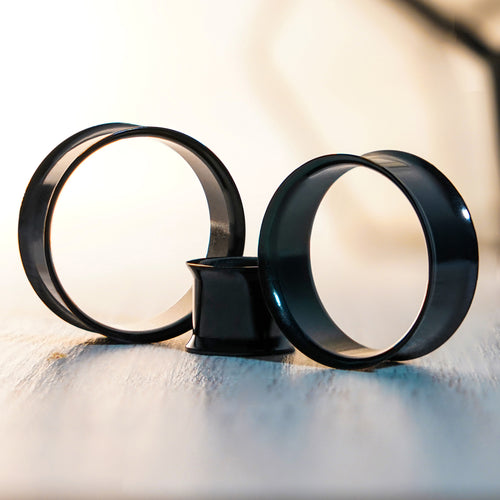
Schwarzer Double-Flared-Tunnel aus Edelstahl
ab
£7.00
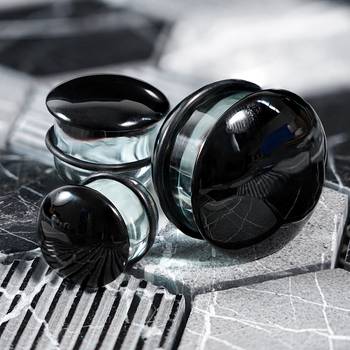
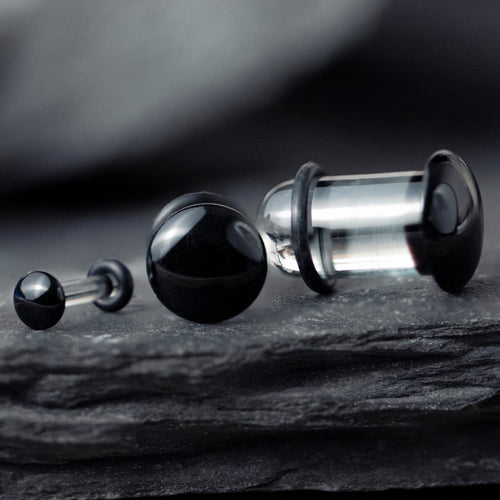
Klar & Schwarz Single Flare Glas Plug / Gauge
ab
£5.00
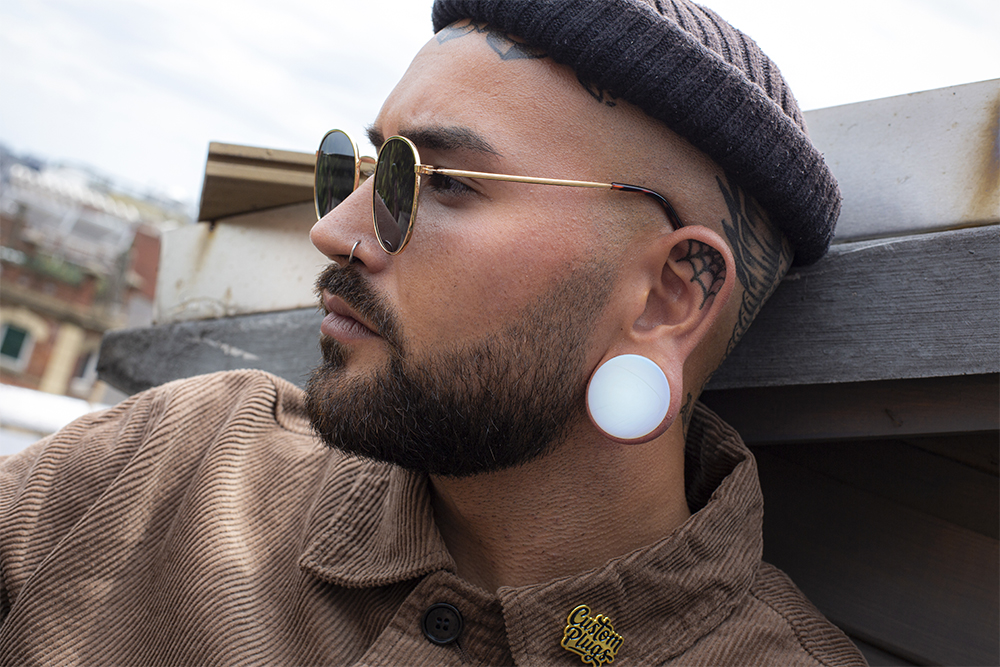
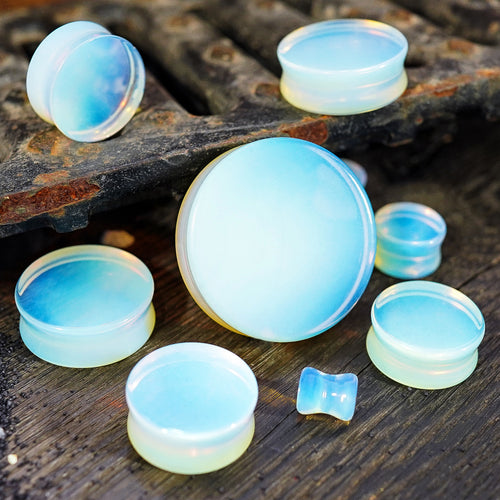
Opalitglas Plug / Messgerät
ab
£6.00

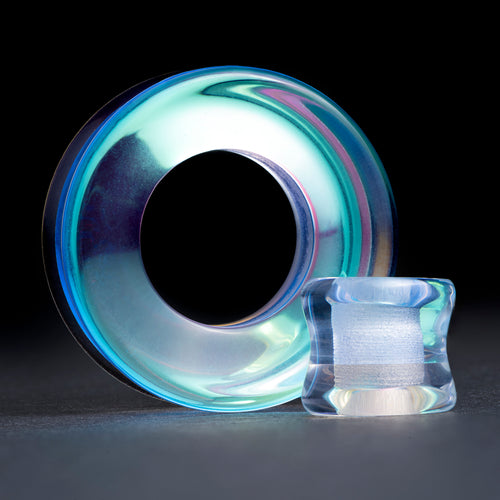
Blaue & grüne irisierende Glas-Ohr-Tunnel
ab
£11.00

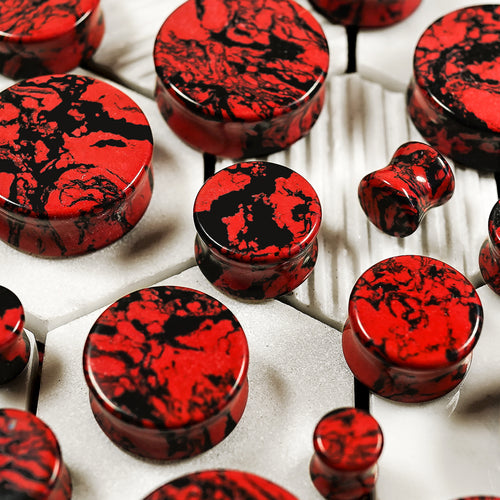
Marmor Schwarz & Roter Stein Plug / Messgerät
ab
£9.00

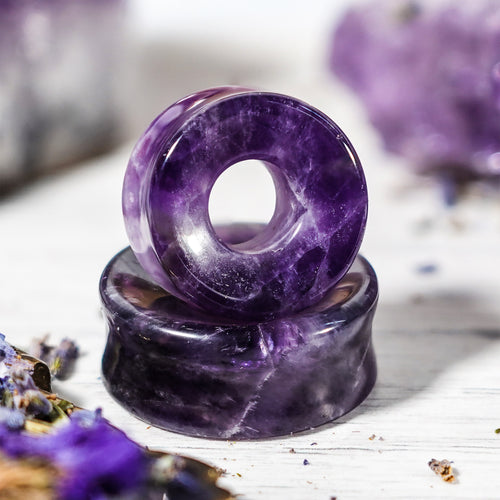
Amethyst Stein Tunnel
ab
£8.00
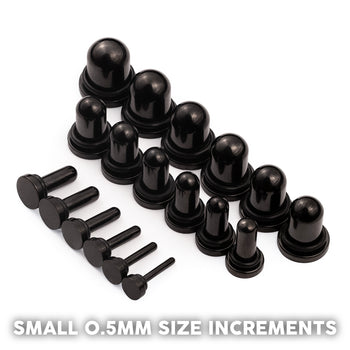
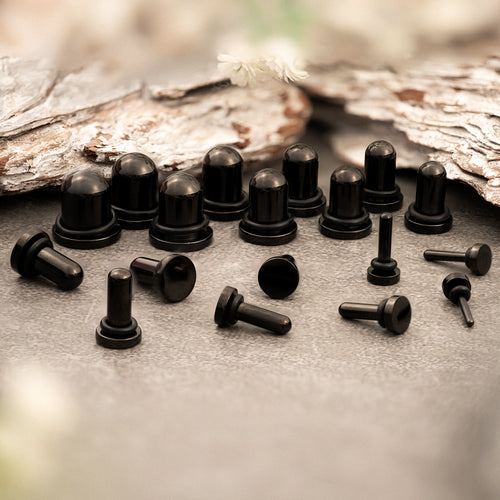
Schwarzes Metall-Dead-Stretching-Set
ab
£15.99
NEU
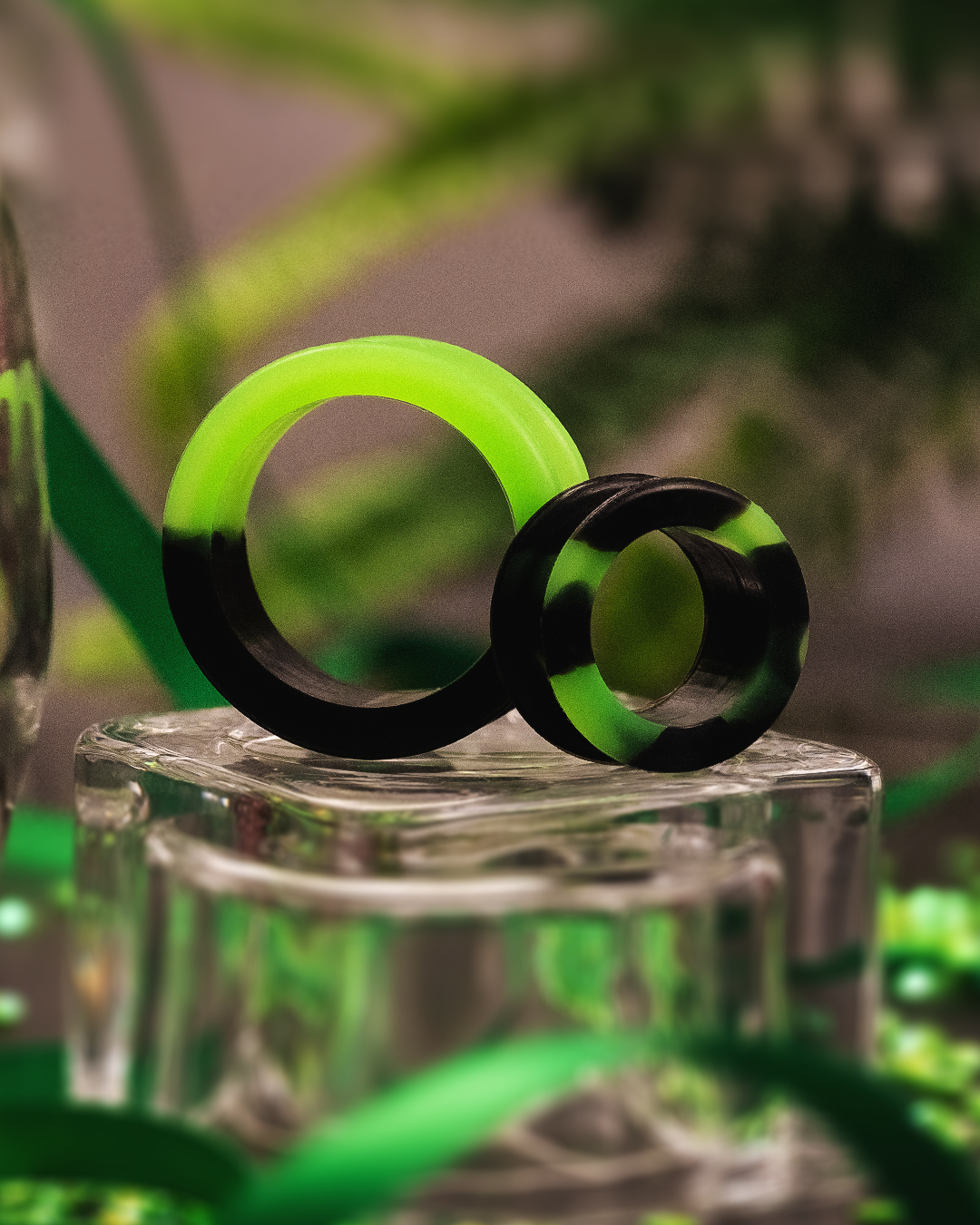
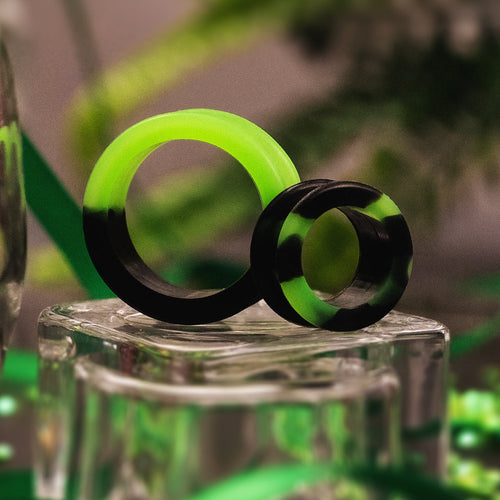
Neongrüner & Schwarzer Silikon-Ohrtunnel in Marmoroptik
ab
£6.00
NEU


Clear & Schwarzes Glas-Dead-Stretching-Set
ab
£15.99
NEU