ERHALTEN SIE SOZIAL MIT UNS
AKTUELLE ARTIKEL


Newsletter
Bleiben Sie über die neuesten Werbeaktionen, Neuigkeiten und Veröffentlichungen auf dem Laufenden!
Piercing Pain Guide: Understanding Pain Levels and Care for Every Common Piercing
Pain is one of the biggest concerns people have when choosing a new piercing. While pain is always subjective, understanding how different piercings tend to feel and how much aftercare they require can help you make a confident, informed decision. Some piercings involve soft tissue and heal quickly, while others pass through cartilage or thicker areas and require more patience.
This guide explains the typical pain levels associated with common piercings and the level of care each one needs. Whether you are planning your very first piercing or adding to an existing setup, this article will help you choose a placement that suits both your pain tolerance and your lifestyle.
Understanding Piercing Pain
Piercing pain varies from person to person. Factors such as anatomy, anxiety levels, hydration, and overall health can all influence how a piercing feels. In general, piercings through soft tissue tend to be less painful, while cartilage or dense tissue piercings feel sharper and take longer to heal.
Pain during the piercing itself is usually brief. The more important consideration for many people is the aftercare period, which can involve soreness, swelling and tenderness for weeks or months depending on the placement.
Earlobe Piercings

Standard lobe piercings are often considered the least painful option. The tissue is soft and well supplied with blood, which allows for quicker healing and minimal discomfort. Most people describe the sensation as a quick pinch followed by mild warmth or throbbing.
Care requirements are relatively simple. Lobes typically heal within a few weeks, though full healing takes longer. Regular cleaning and avoiding unnecessary handling are usually sufficient.
Upper Lobe and Stacked Lobe Piercings

Upper lobe piercings sit higher than standard lobes but still pass through soft tissue rather than cartilage. Pain levels are slightly higher than standard lobes but remain very manageable. Healing times are similar, though swelling can last a little longer.
These piercings are popular for stacking and generally require low to moderate aftercare.
Helix Piercings

Helix piercings pass through cartilage along the outer rim of the ear. The pain is sharper than lobe piercings and often described as strong pressure rather than prolonged pain. Swelling and tenderness are common for several weeks.
Helix piercings require more attentive care due to limited blood flow in cartilage. Healing can take several months, and avoiding pressure from sleeping or headphones is important.
Forward Helix Piercings

Forward helix piercings sit at the front of the ear near the face. Pain levels are similar to standard helix piercings, though the area can feel more sensitive due to surrounding nerves.
Care requirements are moderate to high. Jewellery should be low profile to reduce snagging, and cleaning should be consistent.
Tragus Piercings

The tragus is a small but dense piece of cartilage. Pain is often described as a sharp pinch followed by pressure. Many people find the sound of the piercing more noticeable than the pain itself.
Healing can take several months. Because of the location, care must be taken when using headphones or touching the area.
Conch Piercings

Conch piercings pass through thicker cartilage in the centre of the ear. Pain levels are moderate to high depending on individual anatomy. The pressure sensation may last slightly longer during the piercing process.
Healing takes time, and swelling can be noticeable. Jewellery choice is important, as larger hoops should only be worn once healing has progressed.
Daith Piercings

Daith piercings go through a deep fold of cartilage. Pain is often rated as moderate, with a strong pressure sensation. The piercing can feel intense but is usually quick.
Aftercare is important due to the enclosed location. Cleaning must be done carefully to prevent irritation, and healing may take several months.
Rook Piercings

Rook piercings pass through a thick ridge of cartilage. Pain levels are generally considered high compared to other ear piercings. The tissue density contributes to a strong pressure sensation.
Healing is slower and requires patience. Curved barbells are typically used to reduce stress on the piercing.
Industrial Piercings

Industrial piercings involve two cartilage piercings connected by one bar. Pain is higher due to the double piercing and the tension created by the bar. Swelling can be significant in the early stages.
Care requirements are high. Both piercing points must heal evenly, and pressure must be avoided to prevent complications.
Nose Piercings

Nostril piercings pass through soft tissue and are generally considered low to moderate in pain. The sensation is quick and sharp, often followed by watering eyes.
Healing is relatively straightforward, though care is needed to avoid snagging or irritation during the early stages.
Septum Piercings

When placed correctly through the soft tissue, septum piercings are often less painful than expected. Many people report a strong pressure sensation rather than sharp pain.
Healing is usually smooth, provided the piercing is placed properly and jewellery is not moved excessively.
Lip and Labret Piercings

Lip piercings pass through soft tissue and tend to have moderate pain levels. Swelling is common in the first few days.
Care includes both external cleaning and internal oral hygiene. Healing can take several weeks, and jewellery should be chosen carefully to avoid tooth or gum contact.
Eyebrow Piercings

Eyebrow piercings are surface piercings and typically involve moderate pain. The area can bruise easily, and swelling is common.
Surface piercings require careful monitoring, as they are more prone to migration or rejection.
Navel Piercings

Navel piercings vary widely in pain depending on anatomy. Some people find them mildly uncomfortable, while others experience stronger pressure.
Healing takes several months, and care is important due to clothing friction.
Choosing the Right Piercing for You
When deciding where to pierce, it is important to consider not only pain tolerance but also lifestyle, healing time and aftercare commitment. A less painful piercing with easier care may be a better choice if you have a busy routine or limited ability to clean consistently.
Speaking with a professional piercer and understanding what to expect can significantly reduce anxiety and improve the overall experience.
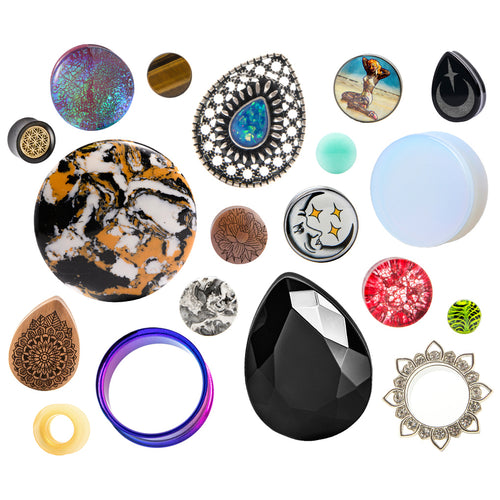
Piercings with Custom Plugs
Every piercing involves some level of discomfort, but pain is temporary, while good jewellery and proper care provide long-term enjoyment. By understanding typical pain levels and care requirements, you can choose piercings that align with your comfort level and lifestyle.
Informed decisions lead to better healing, fewer complications and a more positive piercing experience overall.
BESTSELLER

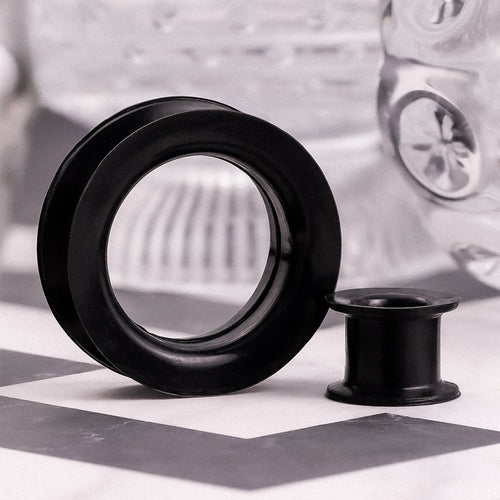
Schwarzer Silikon-Ohr-Tunnel
ab
£3.00
-v1657710003014.jpg?512x640&transform=resize=350)
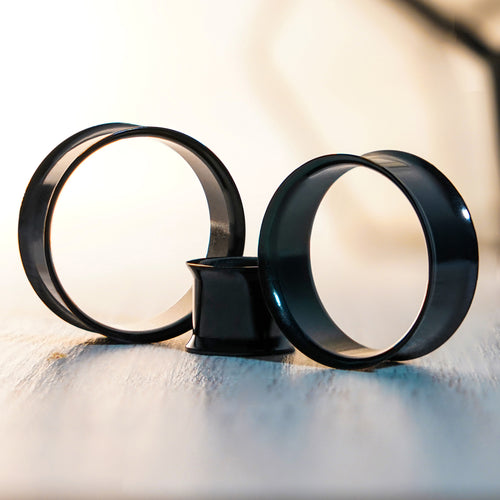
Schwarzer Double-Flared-Tunnel aus Edelstahl
ab
£7.00
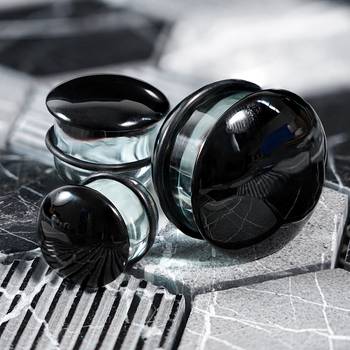
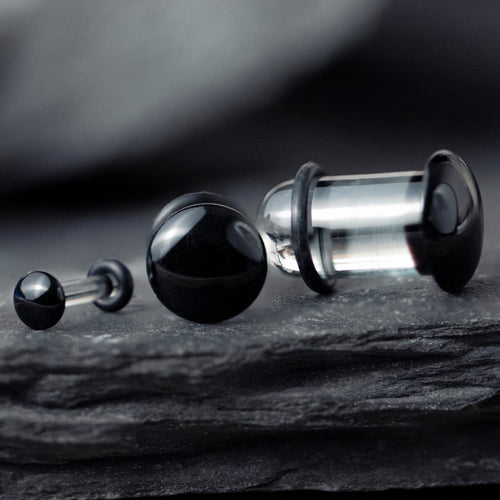
Klar & Schwarz Single Flare Glas Plug / Gauge
ab
£5.00
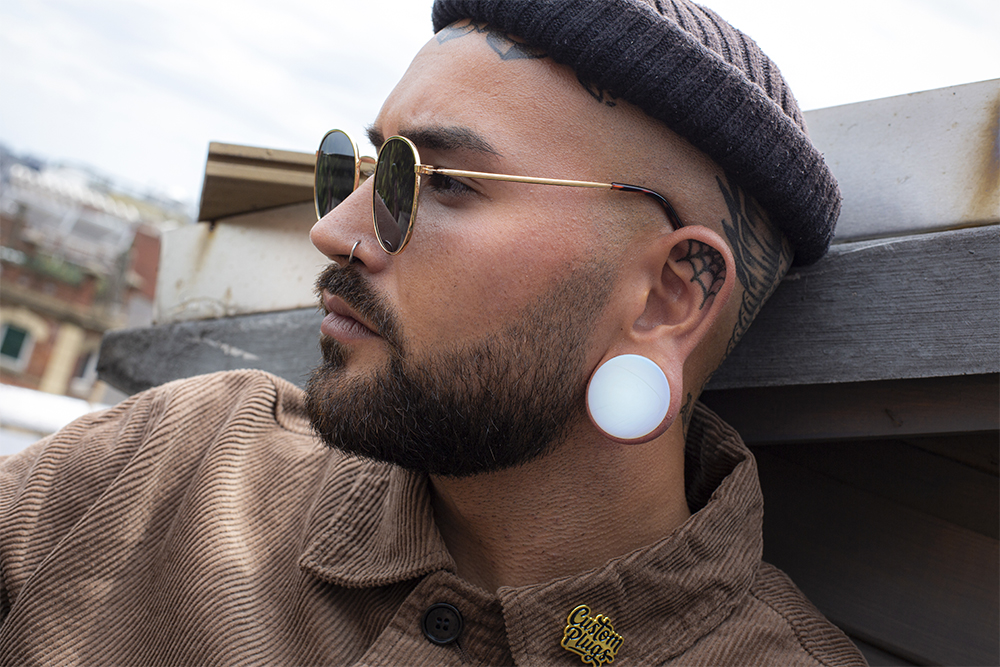
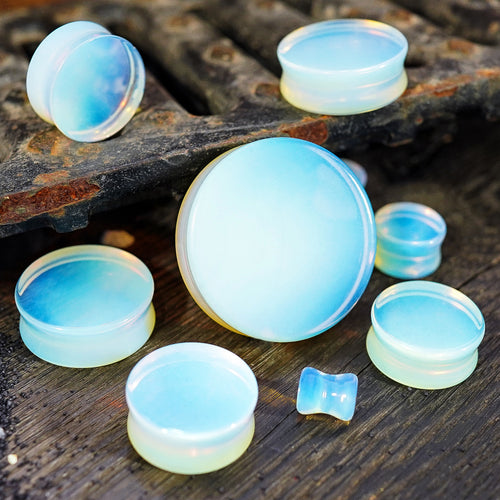
Opalitglas Plug / Messgerät
ab
£6.00

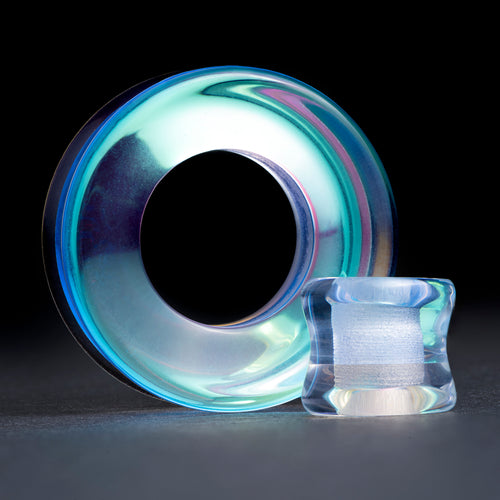
Blaue & grüne irisierende Glas-Ohr-Tunnel
ab
£11.00

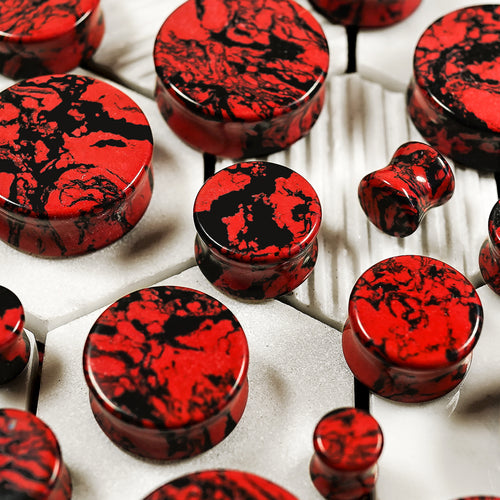
Marmor Schwarz & Roter Stein Plug / Messgerät
ab
£9.00

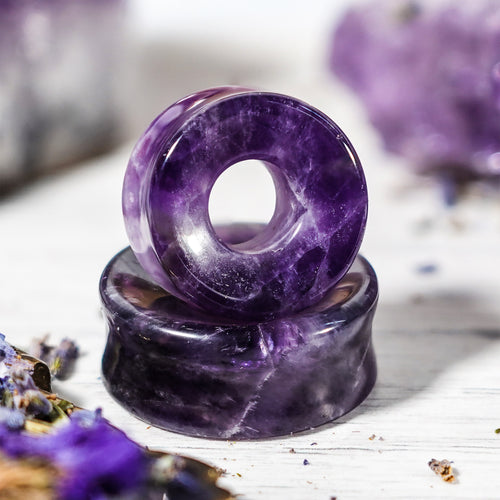
Amethyst Stein Tunnel
ab
£8.00
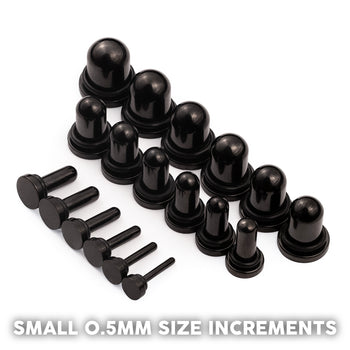
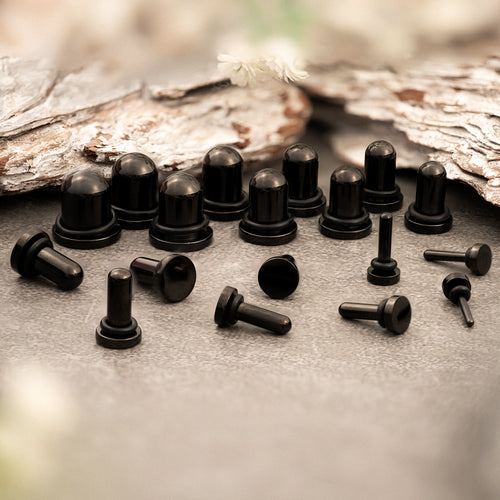
Schwarzes Metall-Dead-Stretching-Set
ab
£15.99
NEU
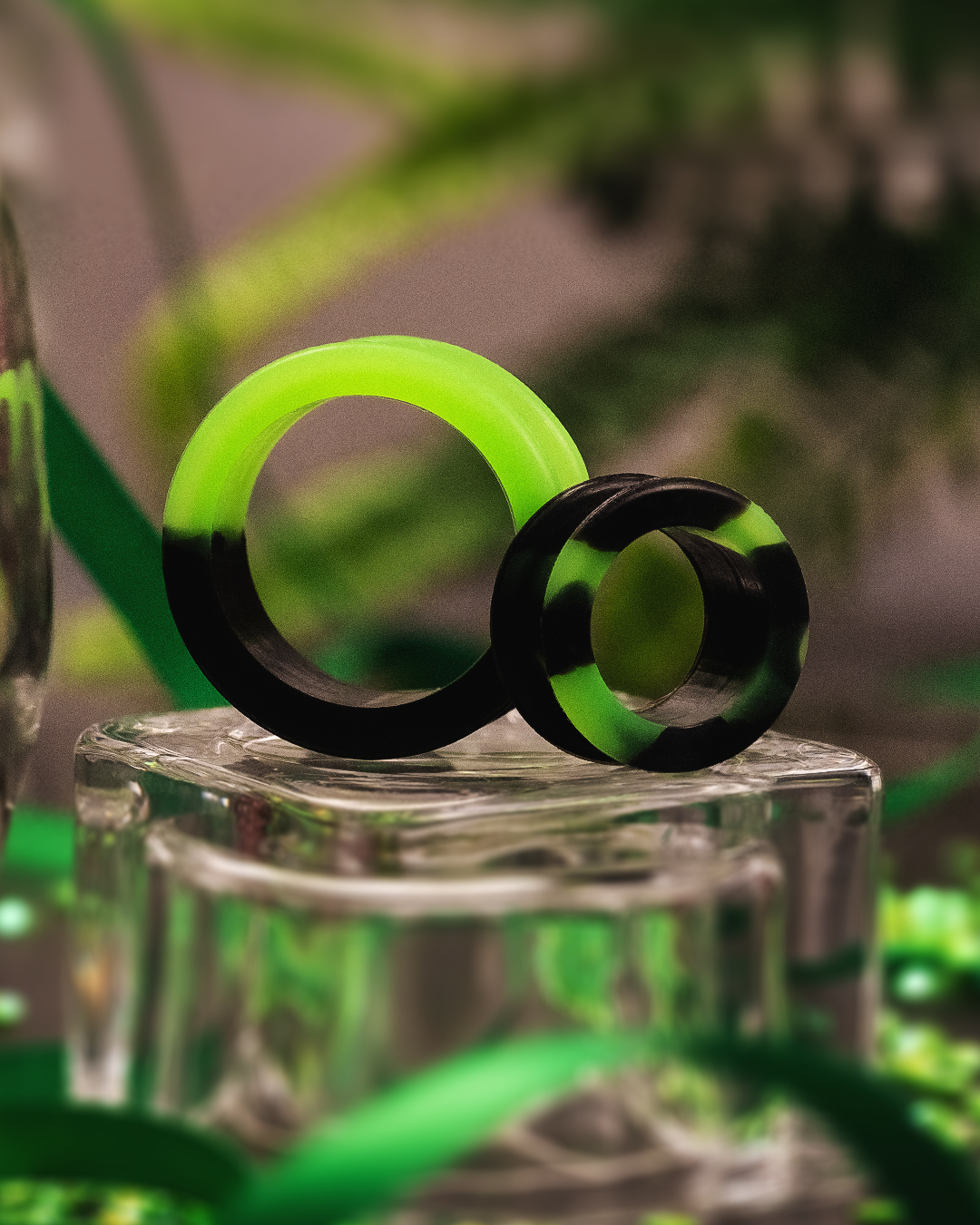
Neongrüner & Schwarzer Silikon-Ohrtunnel in Marmoroptik
ab
£6.00
NEU


Clear & Schwarzes Glas-Dead-Stretching-Set
ab
£15.99
NEU