ERHALTEN SIE SOZIAL MIT UNS
AKTUELLE ARTIKEL


Newsletter
Bleiben Sie über die neuesten Werbeaktionen, Neuigkeiten und Veröffentlichungen auf dem Laufenden!
A Guide to Oral Piercing Jewellery

Oral piercings have remained one of the most popular forms of body modification for decades. Whether you have a tongue piercing, lip piercing, smiley piercing, or another type of oral piercing, choosing the correct jewellery is essential for both comfort and long-term oral health.
Unlike many other piercings, oral jewellery is constantly exposed to moisture, movement, bacteria, food, and regular contact with your teeth and gums. This makes selecting high-quality jewellery even more important.
This guide explains the different types of oral piercing jewellery, the best materials to choose, sizing considerations, and how to keep both your jewellery and piercing in excellent condition.
What Is Oral Piercing Jewellery?
Oral piercing jewellery refers to jewellery designed specifically for piercings located in or around the mouth. This includes piercings through the tongue, lips, cheeks, frenulum, and surrounding soft tissue.
Each type of oral piercing requires jewellery that has been designed for its specific placement. The correct shape helps minimise irritation while providing enough room for natural movement and healing.
Using jewellery that is intended for another type of piercing can cause discomfort, prolonged healing, or unnecessary pressure on the surrounding tissue.
Common Types of Oral Piercings
There are several different oral piercings, each requiring slightly different jewellery.

Tongue piercings are usually fitted with straight barbells, allowing the jewellery to sit comfortably through the centre of the tongue.

Labret piercings are one of the most common lip piercings and typically use flat back labret studs, offering comfort inside the mouth while displaying decorative tops externally.

Monroe and Madonna piercings are positioned above the upper lip and almost always use labret jewellery.

Snake bites, spider bites, dolphin bites and angel bites are all variations of lip piercings that generally use labret studs or occasionally small rings once fully healed.

Smiley piercings pass through the upper lip frenulum and often use small circular barbells or captive bead rings.

Frowny piercings are similar but pass through the lower lip frenulum.

Cheek piercings usually require long labret bars due to the thickness of the tissue.
The Most Common Types of Oral Jewellery
Several jewellery styles are commonly used for oral piercings.

Straight barbells are primarily used for tongue piercings. They consist of a straight bar with threaded or threadless ends and provide stability while allowing the tongue to move naturally.

Labret studs feature a flat disc on one end with a decorative top on the other. The flat backing sits comfortably inside the mouth while reducing irritation against the gums and teeth.

Circular barbells, often called horseshoe rings, are commonly worn in smiley, lip and certain oral piercings once healed.

Captive bead rings remain popular for various lip and frenulum piercings due to their classic appearance.

Clicker rings may also be suitable for certain healed lip piercings, offering an easy-to-use hinged closure.
Choosing the Best Material
Material choice plays a significant role in comfort and healing.
Implant-grade titanium is widely regarded as one of the best materials for oral piercings. It is lightweight, highly resistant to corrosion, biocompatible, and suitable for many people with metal sensitivities.
316L surgical steel is another popular option. It offers excellent durability and a polished finish, although some people with nickel sensitivities may prefer titanium instead.
Solid gold jewellery can also be suitable for healed oral piercings, provided it is high quality and designed specifically for body jewellery.
Acrylic balls are sometimes used on tongue barbells because they are softer than metal and may reduce contact with teeth. However, acrylic is generally not recommended for long-term wear, as it can scratch more easily and may harbour bacteria over time.
Choosing the Correct Size
Selecting the correct jewellery size is just as important as choosing the right style.
Bar length determines how comfortably the jewellery sits within the piercing. Jewellery that is too short may create pressure and swelling, while jewellery that is too long may move excessively and increase the risk of accidental biting.
Gauge refers to the thickness of the jewellery. Different oral piercings require different gauges, and changing to an incorrect size can irritate the piercing or cause damage.
Your professional piercer will normally fit slightly longer jewellery during the initial healing period to accommodate swelling before recommending a shorter piece once healing has progressed.
When Should You Downsize Your Jewellery?
Many oral piercings require downsizing after the initial swelling has reduced.
Longer jewellery is essential during the first stage of healing, but once swelling has disappeared, wearing jewellery that is too long can increase movement, cause irritation, and make accidental contact with teeth more likely.
Downsizing to an appropriately fitted bar often improves comfort while reducing unnecessary wear on your gums and teeth.
Always consult your piercer before changing jewellery in a healing piercing.
Protecting Your Teeth and Gums
One of the biggest considerations with oral piercings is protecting your dental health.
Repeated contact between jewellery and your teeth may contribute to chipped enamel, while constant rubbing against the gums can lead to irritation or gum recession over time.
Choosing correctly sized jewellery and avoiding habits such as clicking or chewing on your jewellery can significantly reduce these risks.
Regular dental check-ups can also help identify any early signs of wear caused by oral jewellery.
Cleaning Oral Piercing Jewellery
Good oral hygiene is essential for healthy piercings.
Brushing your teeth twice daily, cleaning your jewellery carefully, and using an alcohol-free mouthwash after eating can help minimise bacteria during the healing process.
Once healed, jewellery should still be cleaned regularly to remove plaque, food residue, and natural build-up.
Always wash your hands before touching or changing your jewellery.
Can You Change Oral Jewellery Yourself?
Once your piercing has fully healed, many types of oral jewellery can be changed at home.
Threadless jewellery, internally threaded barbells, and clicker rings are all designed to allow relatively straightforward jewellery changes.
However, if you are unsure about sizing, threading, or the jewellery feels difficult to remove, visiting an experienced piercer is always the safest option.
Forcing jewellery can damage both the jewellery and the piercing itself.
Signs Your Jewellery May Need Replacing
Even high-quality jewellery should be inspected regularly.
If the jewellery becomes scratched, bent, damaged, or no longer fastens securely, it should be replaced. Worn jewellery may harbour bacteria or become uncomfortable to wear.
It is also worth replacing jewellery if the decorative attachment becomes loose or the threading begins to wear.
Investing in high-quality jewellery often means better durability, improved comfort, and a lower likelihood of future problems.
Final Thoughts
Choosing the right oral piercing jewellery is about far more than appearance. The correct style, material, and size all contribute to a healthier, more comfortable piercing while helping to protect your teeth, gums, and surrounding tissue.
Whether you wear a tongue barbell, labret stud, horseshoe ring, or captive bead ring, selecting high-quality jewellery and maintaining good oral hygiene will help keep your piercing looking and feeling its best. By understanding how different types of oral jewellery work, you can make informed decisions that support both comfort and long-term oral health.
BESTSELLER

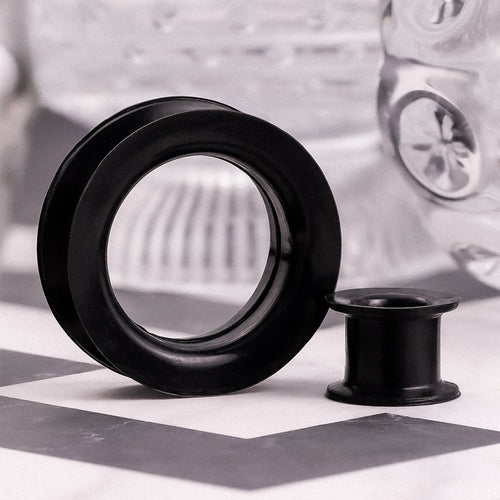
Schwarzer Silikon-Ohr-Tunnel
ab
£3.00
-v1657710003014.jpg?512x640&transform=resize=350)
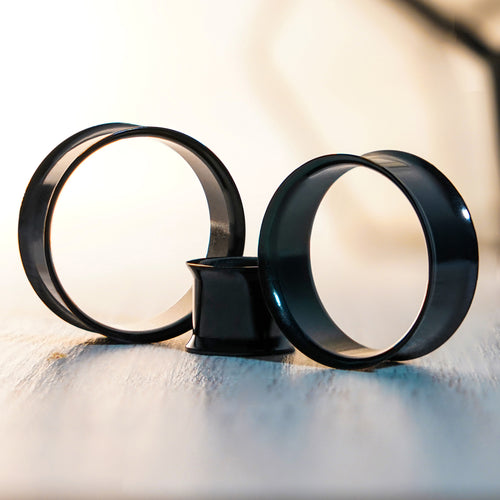
Schwarzer Double-Flared-Tunnel aus Edelstahl
ab
£7.00
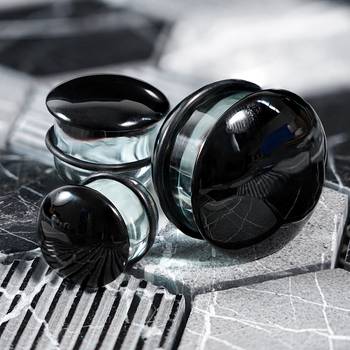
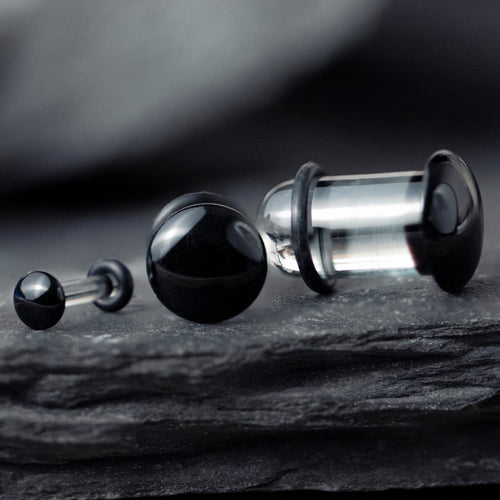
Klar & Schwarz Single Flare Glas Plug / Gauge
ab
£5.00
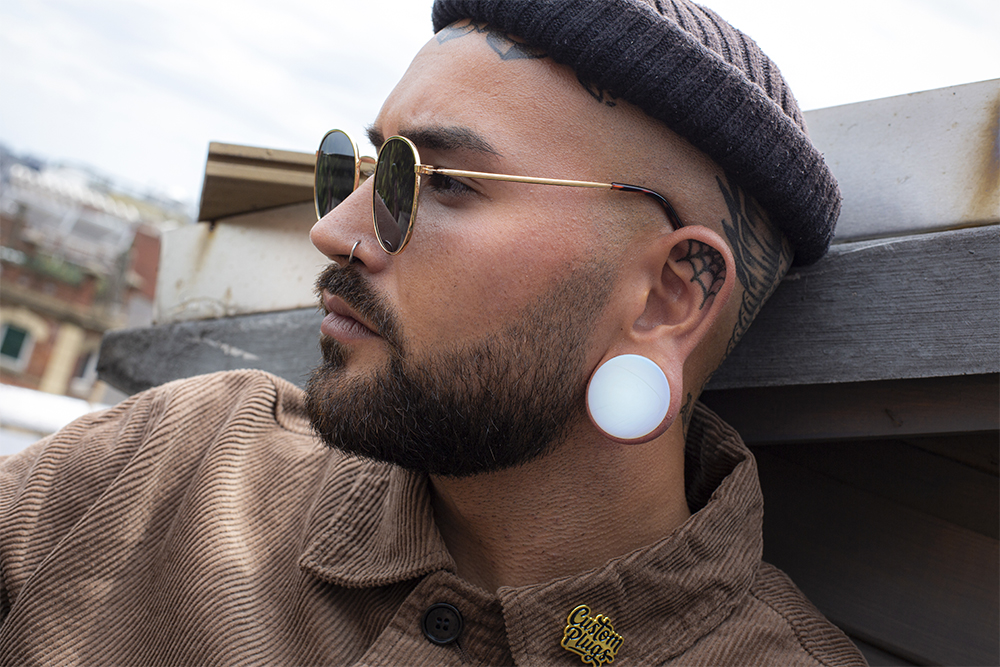
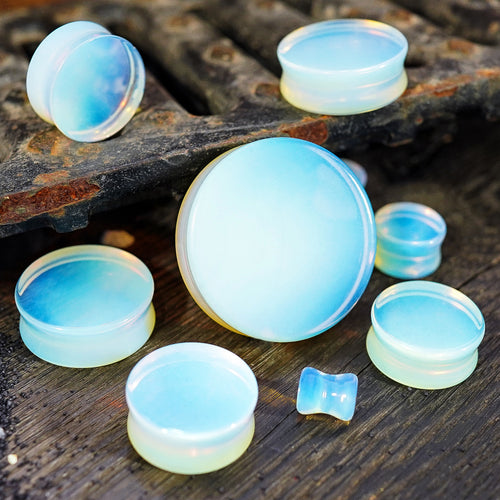
Opalitglas Plug / Messgerät
ab
£6.00

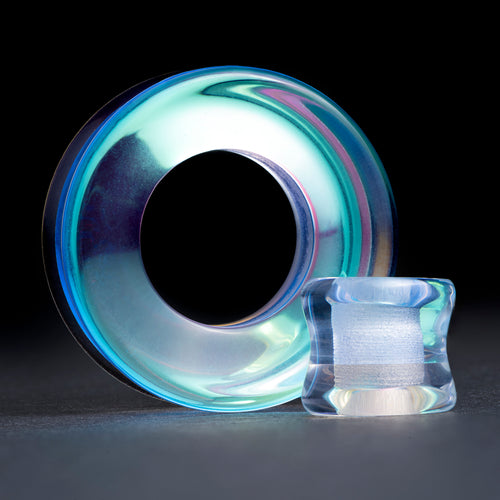
Blaue & grüne irisierende Glas-Ohr-Tunnel
ab
£11.00

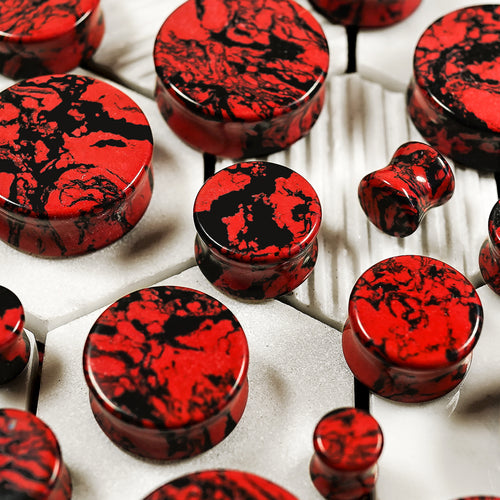
Marmor Schwarz & Roter Stein Plug / Messgerät
ab
£9.00

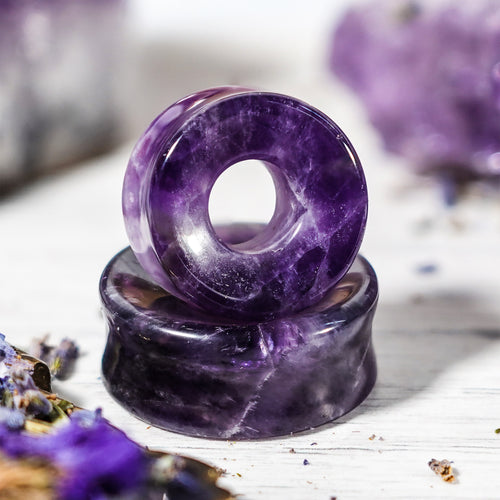
Amethyst Stein Tunnel
ab
£8.00
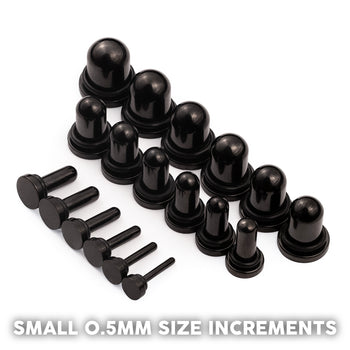
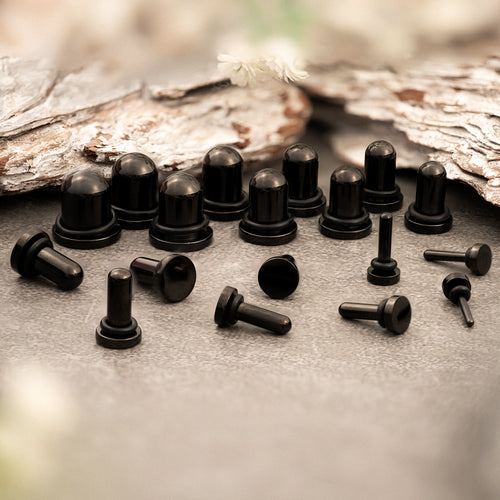
Schwarzes Metall-Dead-Stretching-Set
ab
£15.99
NEU
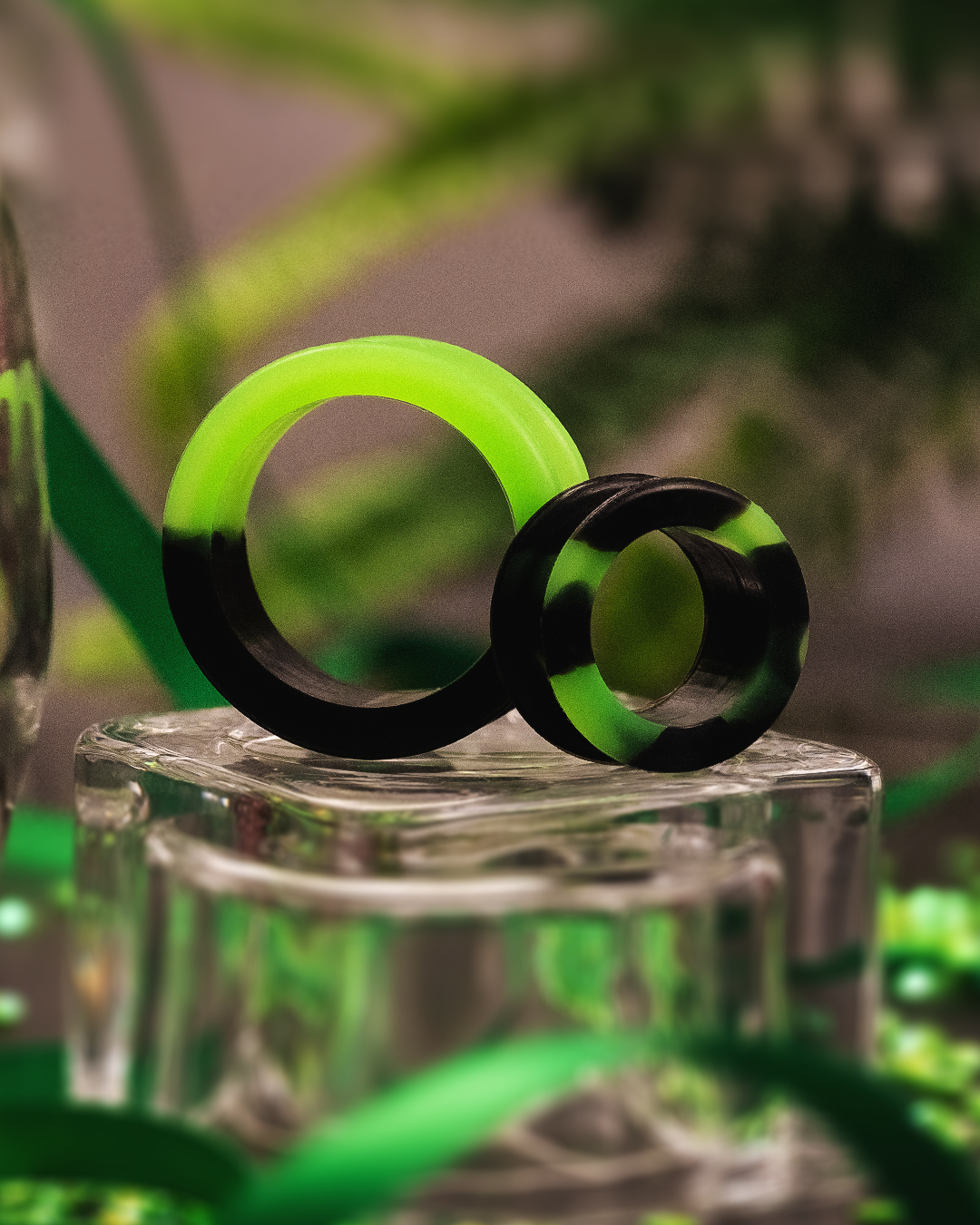
Neongrüner & Schwarzer Silikon-Ohrtunnel in Marmoroptik
ab
£6.00
NEU


Clear & Schwarzes Glas-Dead-Stretching-Set
ab
£15.99
NEU