ERHALTEN SIE SOZIAL MIT UNS
AKTUELLE ARTIKEL


Newsletter
Bleiben Sie über die neuesten Werbeaktionen, Neuigkeiten und Veröffentlichungen auf dem Laufenden!
The Cartilage Piercing Guide: Types, Pain and Jewellery

Cartilage piercings are among the most popular choices for anyone looking to build a curated ear or add character beyond standard lobe piercings. From subtle helix studs to bold industrial bars, cartilage piercings offer a wide range of placement options and jewellery styles. However, cartilage behaves very differently from soft lobe tissue, which means understanding the basics is essential before committing to a new piercing.
This guide explains the most common types of cartilage piercings, what to expect in terms of pain and healing, and the jewellery options available. Whether you are planning your first cartilage piercing or adding to an existing ear setup, this article will help you make informed choices.
What Is Cartilage and Why It Matters
Cartilage is a firm, flexible tissue that provides structure to the ear. Unlike lobes, which are mostly made of fatty tissue and blood vessels, cartilage has limited blood flow. This is why cartilage piercings tend to heal more slowly and require extra care.
Because cartilage is denser, it reacts differently to trauma and pressure. Swelling can last longer, and improper jewellery or movement during healing can lead to irritation. Understanding this difference is key to choosing the right piercing and jewellery.
Common Types of Cartilage Piercings
Cartilage piercings come in many forms, each with its own aesthetic and healing considerations.

The helix is one of the most common cartilage piercings and sits along the outer rim of the ear. It is versatile and works well with studs, hoops and stacked looks.

The forward helix is placed near the front of the ear, close to where the helix meets the face. This area is popular for delicate jewellery and multiple piercings placed closely together.

The conch sits in the centre of the ear and can be pierced either in the inner or outer conch. It allows for both flat-backed studs and large hoops that wrap around the ear.

The tragus is the small piece of cartilage that partially covers the ear canal. This piercing is often chosen for its subtle appearance and compatibility with small studs.

The daith passes through the innermost fold of cartilage. It is visually striking and commonly worn with rings.

The rook is located above the daith and below the outer rim of the ear. It suits curved barbells and adds depth to a curated ear.

The industrial consists of two cartilage piercings connected by a single straight bar. It requires precise anatomy and careful aftercare.
How Painful Are Cartilage Piercings?
Pain is subjective, but cartilage piercings are generally more intense than lobe piercings. The sensation is often described as sharp pressure rather than prolonged pain. Because cartilage is firm, the piercing process can feel slower, but the discomfort usually passes quickly.
Swelling and tenderness are common in the days following the piercing. Sleeping on the pierced ear or bumping it can increase sensitivity. Choosing appropriate jewellery and avoiding unnecessary movement helps reduce irritation during healing.
Healing Time and What to Expect
Cartilage piercings take longer to heal than lobes. While initial healing may take a few weeks, full healing often takes several months. During this time, it is normal to experience occasional soreness or mild swelling.
Consistent cleaning, avoiding unnecessary touching and wearing well-fitted jewellery are crucial. Changing jewellery too early can disrupt healing and lead to complications such as irritation bumps.
Jewellery Options for Cartilage Piercings
Choosing the right jewellery plays a major role in comfort and healing.

Flat-backed labret studs are one of the most popular options for cartilage piercings. Their smooth backs reduce pressure and snagging, making them ideal for sleeping and daily wear.

Hoops and rings are often worn once the piercing has settled. They create a clean, stylish look but may move more than studs during healing.

Curved barbells are commonly used for rook and daith piercings. Their shape follows the natural curve of the ear and helps reduce pressure.

Straight barbells are typically reserved for industrial piercings. They must be correctly sized to match the wearer’s anatomy.
Materials matter as well. Titanium is widely recommended due to its lightweight, hypoallergenic properties. Gold and surgical steel are also popular when high quality and properly finished.
Choosing Jewellery That Matches Your Lifestyle
Lifestyle plays an important role in jewellery selection. If you wear headphones, helmets or hats regularly, low-profile jewellery may be more comfortable. If you sleep on your side, flat-backed jewellery can help reduce pressure during the night.
People who plan to build a curated ear often start with minimal jewellery and gradually layer pieces as piercings heal. This approach allows the ear to adapt and reduces the risk of irritation.
Common Mistakes to Avoid
Many cartilage piercing issues arise from rushing the healing process. Changing jewellery too early, sleeping on the piercing and using low-quality materials can all lead to prolonged discomfort.
It is also important to avoid twisting or spinning jewellery. Unlike older piercing advice suggested, modern best practice encourages leaving jewellery as still as possible during healing.
Cartilage Piercings 101 with Custom Plugs
Cartilage piercings offer endless opportunities for personal expression, but they require patience and informed care. Understanding the differences between cartilage and lobe piercings, choosing appropriate jewellery and respecting healing times all contribute to a smoother experience.
Whether you are adding a single helix stud or planning a full ear arrangement, knowledge is the key to long-term comfort and style. With the right approach, cartilage piercings can become a defining and enjoyable part of your jewellery collection.
BESTSELLER

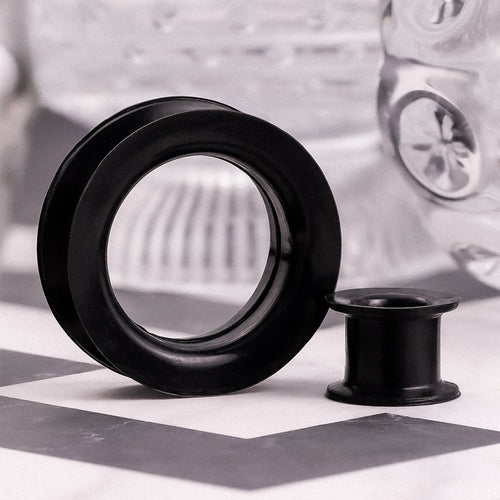
Schwarzer Silikon-Ohr-Tunnel
ab
£3.00
-v1657710003014.jpg?512x640&transform=resize=350)
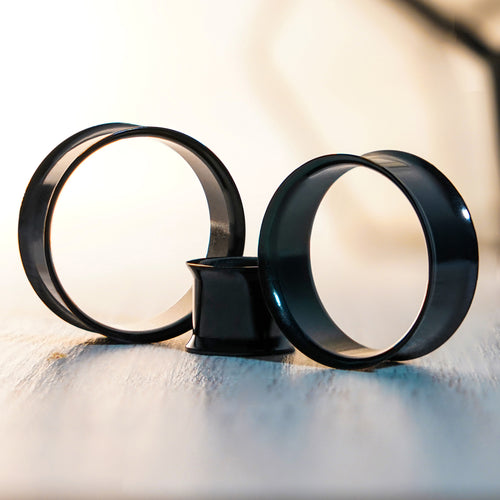
Schwarzer Double-Flared-Tunnel aus Edelstahl
ab
£7.00
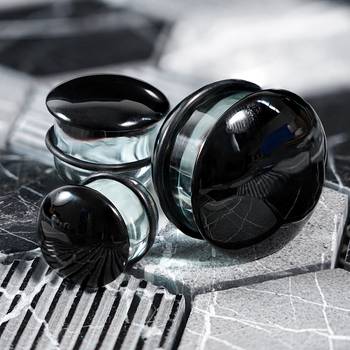
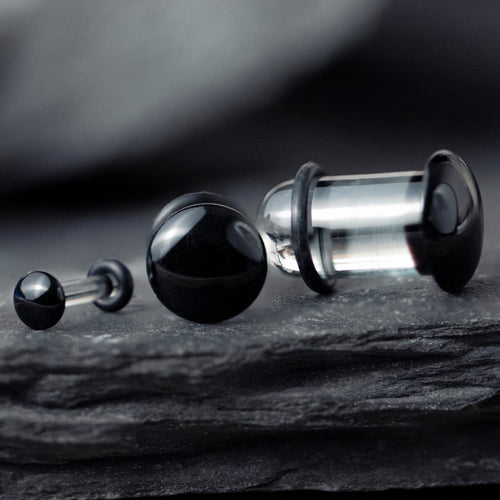
Klar & Schwarz Single Flare Glas Plug / Gauge
ab
£5.00
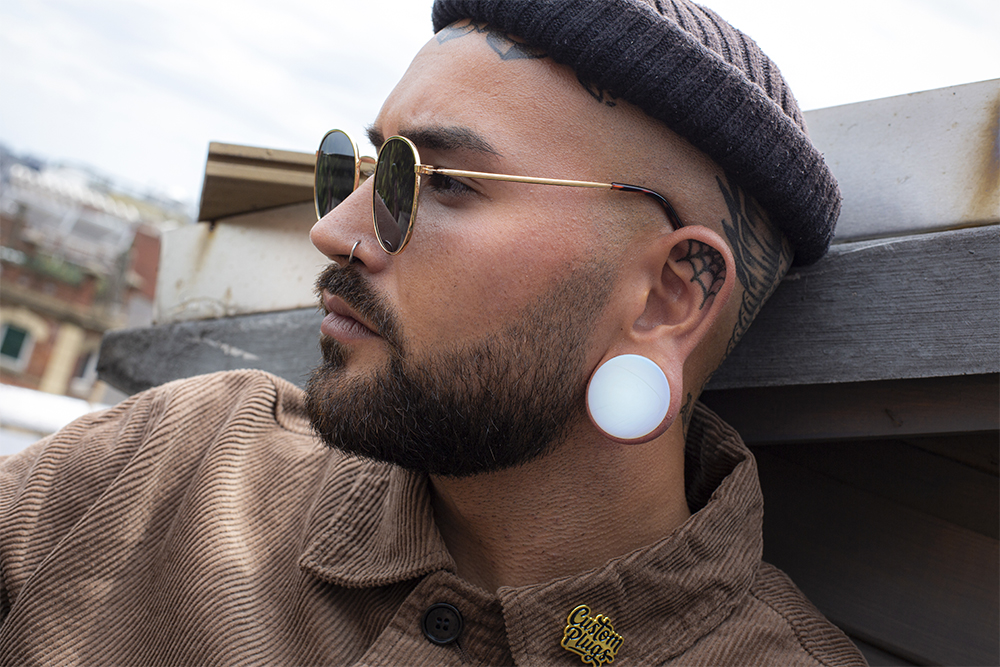
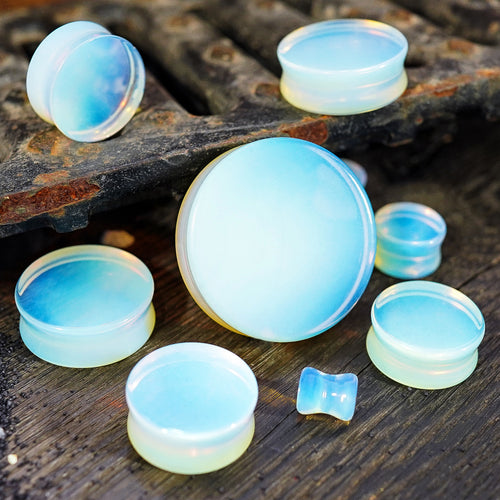
Opalitglas Plug / Messgerät
ab
£6.00

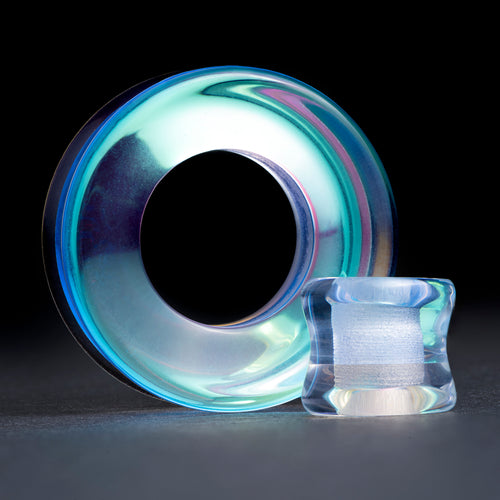
Blaue & grüne irisierende Glas-Ohr-Tunnel
ab
£11.00

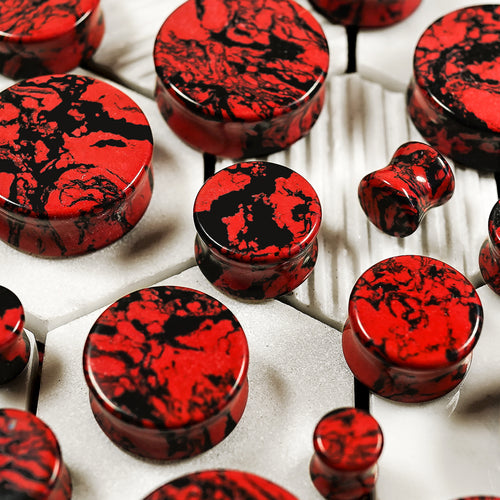
Marmor Schwarz & Roter Stein Plug / Messgerät
ab
£9.00

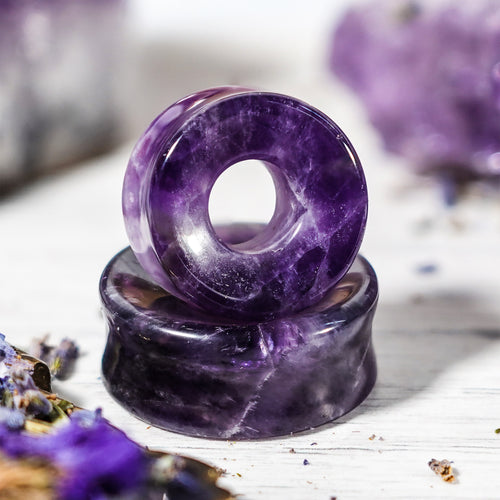
Amethyst Stein Tunnel
ab
£8.00
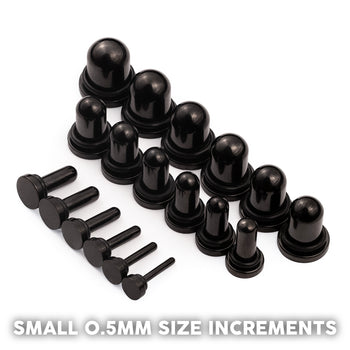
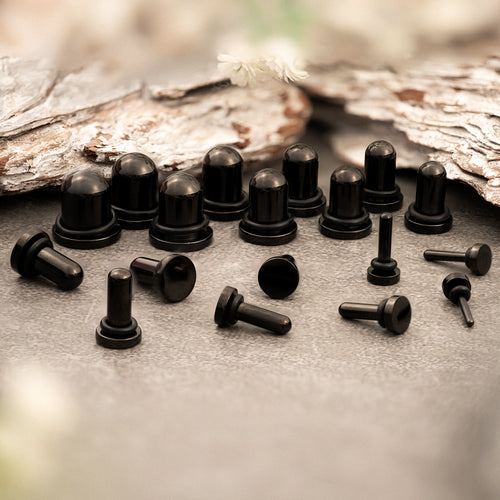
Schwarzes Metall-Dead-Stretching-Set
ab
£15.99
NEU
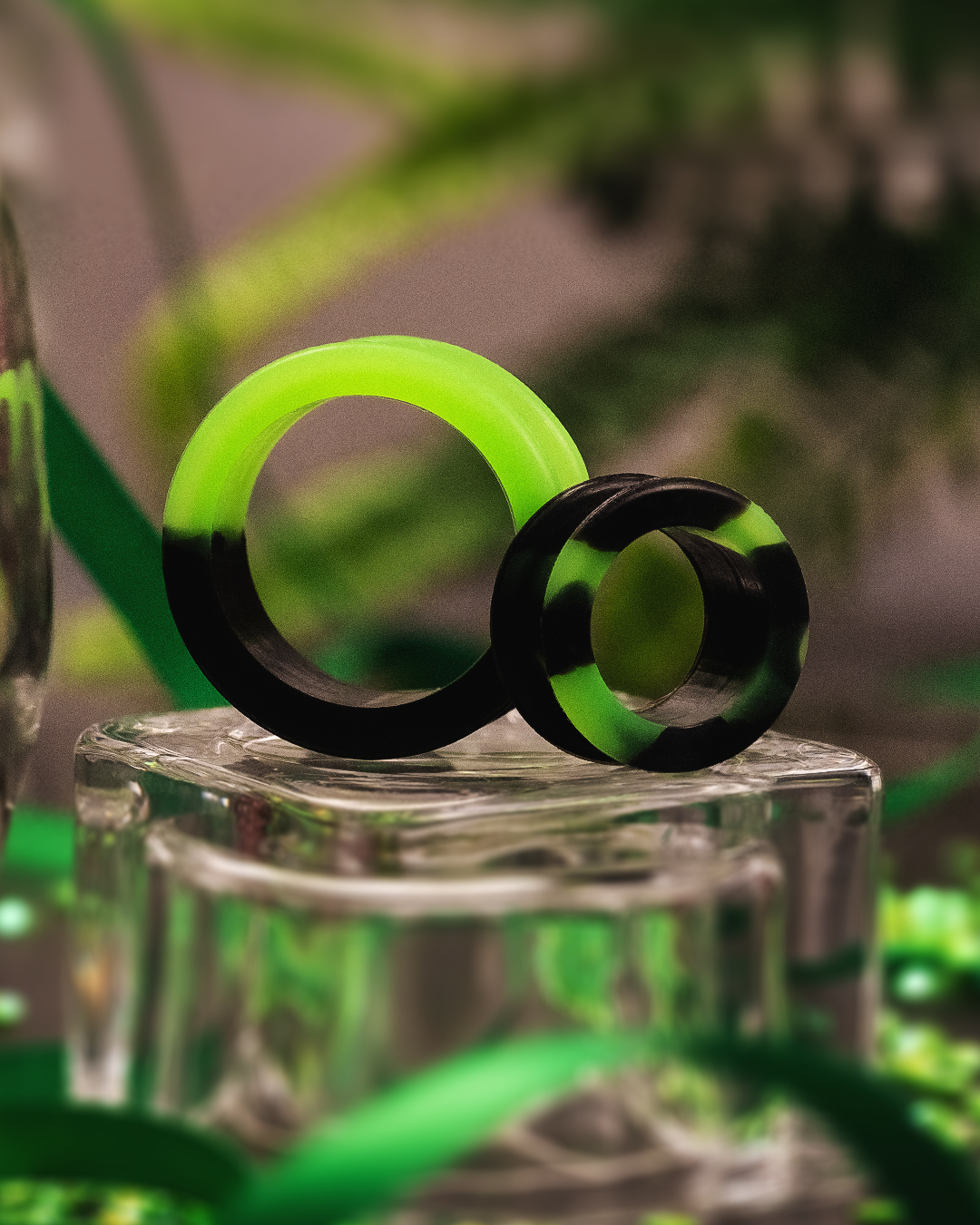
Neongrüner & Schwarzer Silikon-Ohrtunnel in Marmoroptik
ab
£6.00
NEU


Clear & Schwarzes Glas-Dead-Stretching-Set
ab
£15.99
NEU