ERHALTEN SIE SOZIAL MIT UNS
AKTUELLE ARTIKEL


Newsletter
Bleiben Sie über die neuesten Werbeaktionen, Neuigkeiten und Veröffentlichungen auf dem Laufenden!
A Plug Collector’s Glossary: Every Term You Need to Know
Whether you are just beginning your stretching journey or you already have a plug collection that fills an entire drawer, understanding the terminology used in the world of stretched ears is incredibly helpful. The body modification community has developed its own language over time. Knowing these terms makes it easier to choose the right jewellery, avoid mistakes and appreciate the craft behind plugs, tunnels and ear-stretching tools.
This glossary is designed for both beginners and experienced stretchers. It will help you understand sizes, shapes, materials, techniques and problem-solving so you feel confident every time you shop for new jewellery.
Gauge, Millimetres and Sizing Systems
One of the first terms new stretchers encounter is gauge. 'Gauge' refers to the thickness of the jewellery that fits through your piercing. The higher the gauge number, the smaller the jewellery. Once the numbers reach 0 gauge, the sizing switches direction, and the jewellery becomes thicker as the numbers decrease again. Because this can be confusing, many collectors prefer to use millimetres. Millimetres give a precise measurement and remove any ambiguity.
When buying plugs or tunnels, pay attention to both the outer diameter and the wearable area. Some plugs appear large but have a narrower wearable portion. Understanding these terms helps you choose the most comfortable fit for your lobe shape and stretching stage.
Plugs and Tunnels
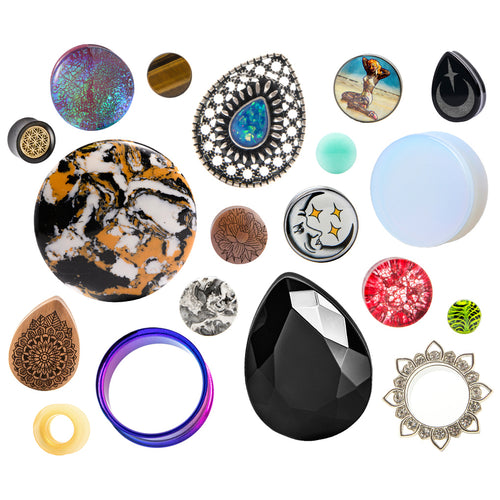
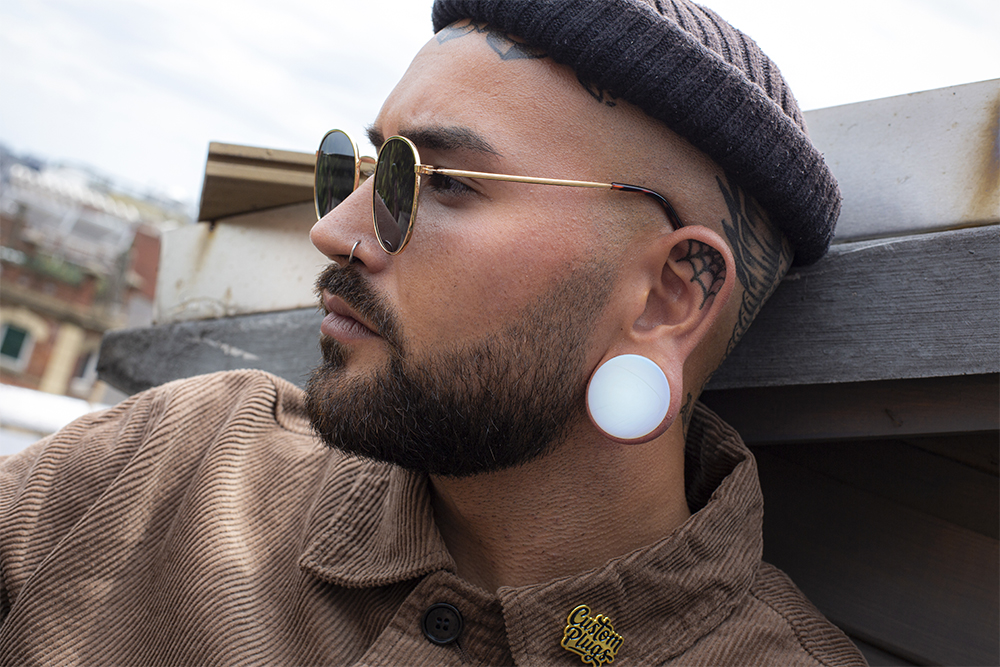
A plug is a solid piece of jewellery that fills the stretched piercing completely. Plugs can be round, teardrop-shaped, oval or carved into creative styles. They come in a huge variety of materials. Wooden plugs are lightweight, stone plugs feel luxurious, glass plugs are smooth and hypoallergenic, and acrylic plugs allow for bright colours and fun designs.
A tunnel, sometimes called an eyelet, has a hollow centre. The space in the middle allows light through and makes the piece feel more breathable. Tunnels are popular for people who enjoy a lighter feel or who want to show off an open lobe.
Both plugs and tunnels fall under the category of stretched jewellery, but collectors often have strong preferences for one style or the other. Many wear a mixture depending on the occasion or their outfit.
Flare Types: Single Flare, Double Flare and No Flare
'Flare' refers to the widened edges at the ends of jewellery. These flares help keep the piece in place.

Single flare plugs have one straight end and one flared end. The straight end is usually secured with a silicone O-ring. This style is ideal for newer stretches or for people with lobes that are sensitive to pressure.

Double-flare plugs widen at both ends, creating a shape that stays in place without the need for an O-ring. They are comfortable for healed lobes but can be tricky for some people to insert.
No flared jewellery is straight from end to end. These pieces are often used during stretching or for people who prefer a very simple and smooth fit.
Understanding these types is essential for choosing jewellery that feels secure and comfortable during long wear.
Wearable Area, Outer Diameter and Fit
The wearable area is the part of the plug or tunnel that actually sits inside your piercing. Different brands design jewellery with slightly different wearable depths. If you have thicker lobes, you may prefer a longer wearable area. If your lobes are thin, a shorter depth will often feel more comfortable.

The outer diameter describes the full size of the plug, including flares. When shopping, check this measurement. A piece with a dramatic flair may appear larger even if the wearable area matches your size.
Collectors often learn their favourite proportions over time. Paying attention to these terms helps you avoid jewellery that fits awkwardly or puts unnecessary pressure on your lobes.
Materials: Organic, Metal, Glass and Synthetic

Material choice affects comfort, weight, hygiene and aesthetics. Organic materials such as wood, bone and horn feel warm and natural. They require gentle care and should not be worn in fresh or healing stretches. Metal jewellery, especially titanium and surgical steel, is durable and easy to clean. Glass plugs are smooth and non-porous, which makes them one of the safest materials for sensitive skin. Synthetic options such as acrylic or silicone offer vibrant colours or flexible shapes.
Each material has its own character. Knowing the terminology around materials helps collectors build a wardrobe of jewellery suited to different moods and seasons.
Tapers, Stretching Tape and Dead Stretching

A taper is a tool used to increase piercing size. It is shaped like a long cone that gradually becomes thicker. Many experienced stretchers avoid wearing tapers as jewellery and use them only to guide new jewellery into place.
Stretching tape is a method where thin layers of inert tape are applied around a plug to slowly increase size. This method allows more gradual progress than tapers. Dead stretching refers to inserting the next size up without using tools or tape. This method only works when the lobe is completely ready and feels no pain or resistance.
Understanding these terms helps beginners avoid unsafe shortcuts and helps experienced stretchers choose the most comfortable technique for their body.
Blowouts, Thinning, Hot Spots and Other Lobe Concerns
A blowout happens when the inside of the piercing is pushed outwards, usually due to stretching too quickly. It creates a swollen ridge at the back of the lobe. 'Thinning' refers to the lobe becoming too narrow because of aggressive stretching or heavy jewellery. A hot spot is a tender area on the lobe that feels irritated or inflamed and often warns that a stretch has happened too soon.
Knowing these terms allows you to identify early signs of trouble and take action before the lobe becomes damaged. With patience and proper care, most stretching problems are avoidable.
O Rings, Saddles, Spirals and Other Jewellery Shapes

O-rings are small silicone bands that keep single-flare or no-flare jewellery in place. Saddles curve inward and outward slightly and sit comfortably against the lobe. Spirals twist through the piercing in a decorative motion and work both as jewellery and as mild stretching tools for very small gauges.
The world of plug shapes is wide and creative. Understanding the terminology helps you explore more unique designs and find styles that complement your anatomy.
Why a Glossary Matters for Every Collector
Whether you are just starting out or you have been stretching for years, the language of plugs and tunnels helps you make informed decisions. It improves your stretching technique, prevents injuries and makes shopping much easier. It also helps you appreciate the craftsmanship behind high-quality jewellery.
A strong understanding of these terms creates a more enjoyable and safer stretching journey. With the right knowledge, you can continue building a plug collection that reflects your personality, lifestyle and creativity.
BESTSELLER

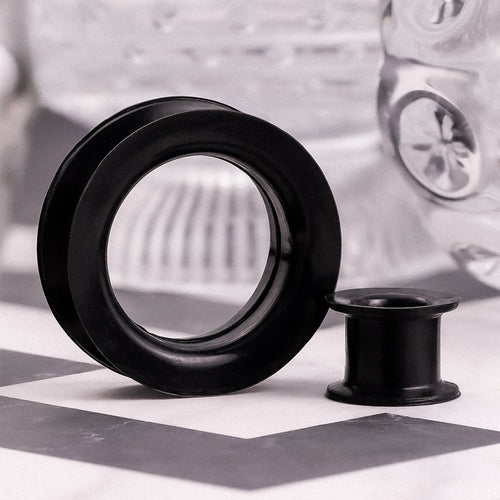
Schwarzer Silikon-Ohr-Tunnel
ab
£3.00
-v1657710003014.jpg?512x640&transform=resize=350)
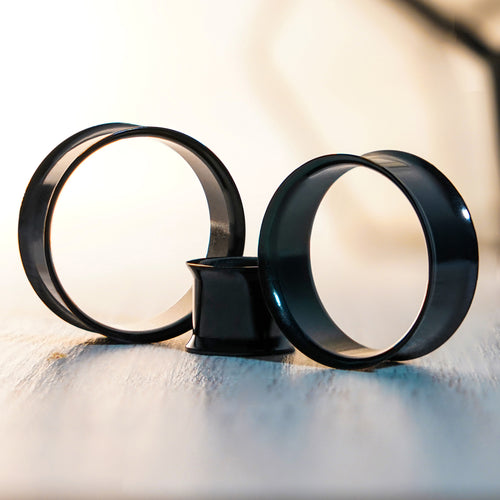
Schwarzer Double-Flared-Tunnel aus Edelstahl
ab
£7.00
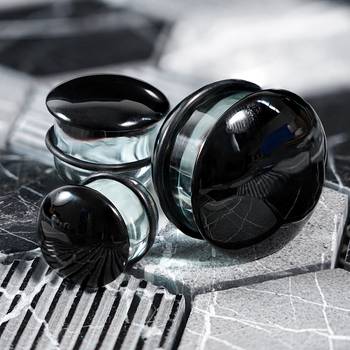
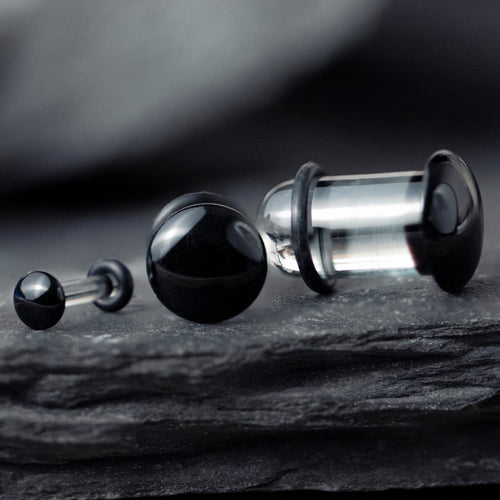
Klar & Schwarz Single Flare Glas Plug / Gauge
ab
£5.00
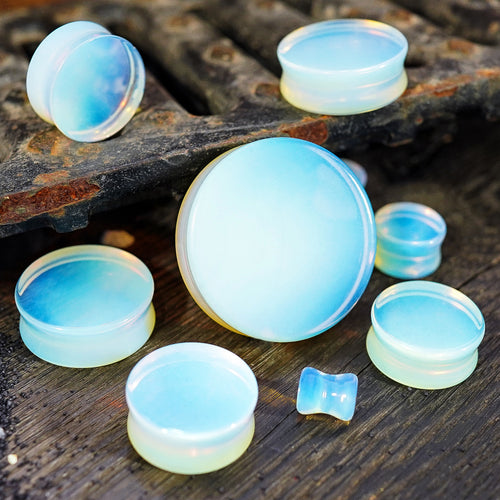
Opalitglas Plug / Messgerät
ab
£6.00

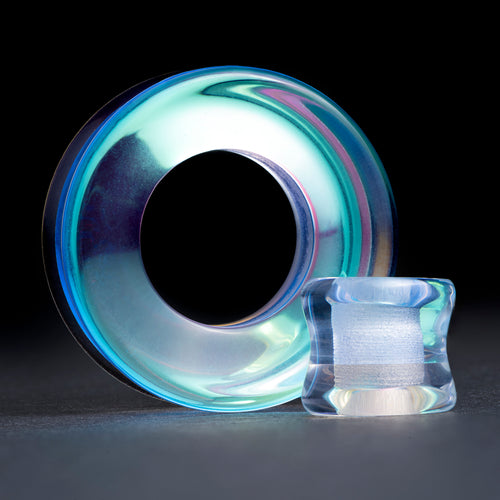
Blaue & grüne irisierende Glas-Ohr-Tunnel
ab
£11.00

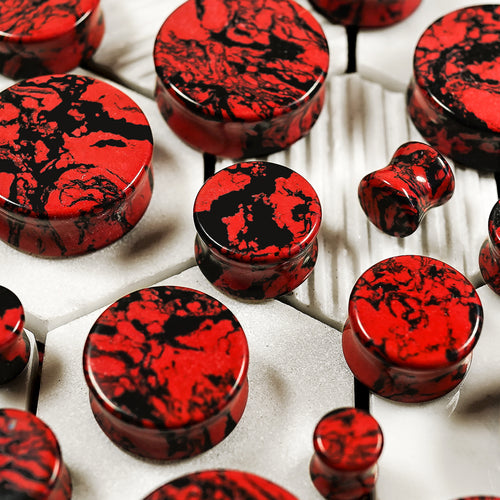
Marmor Schwarz & Roter Stein Plug / Messgerät
ab
£9.00

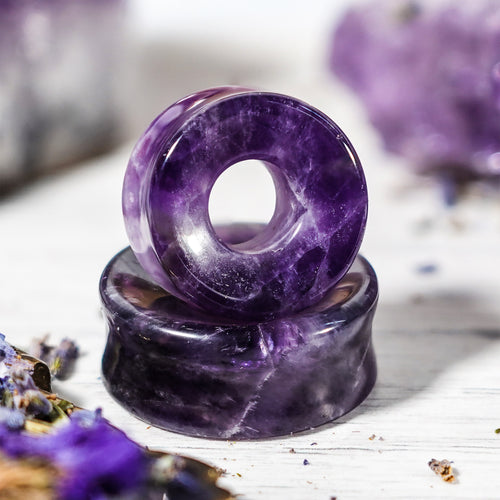
Amethyst Stein Tunnel
ab
£8.00
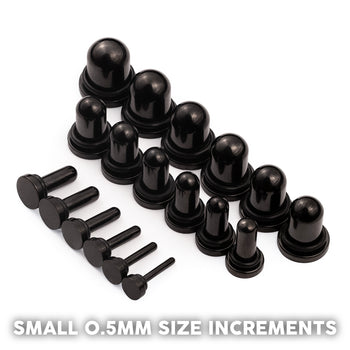
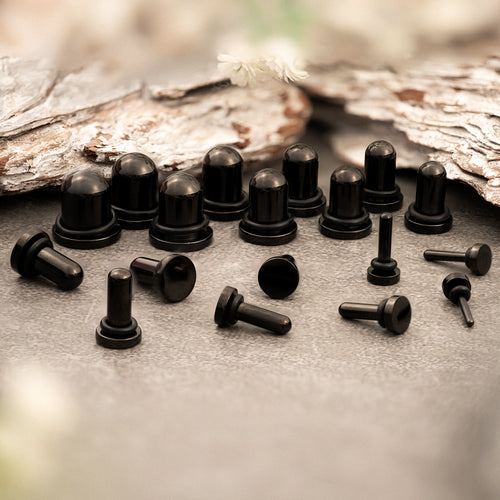
Schwarzes Metall-Dead-Stretching-Set
ab
£15.99
NEU
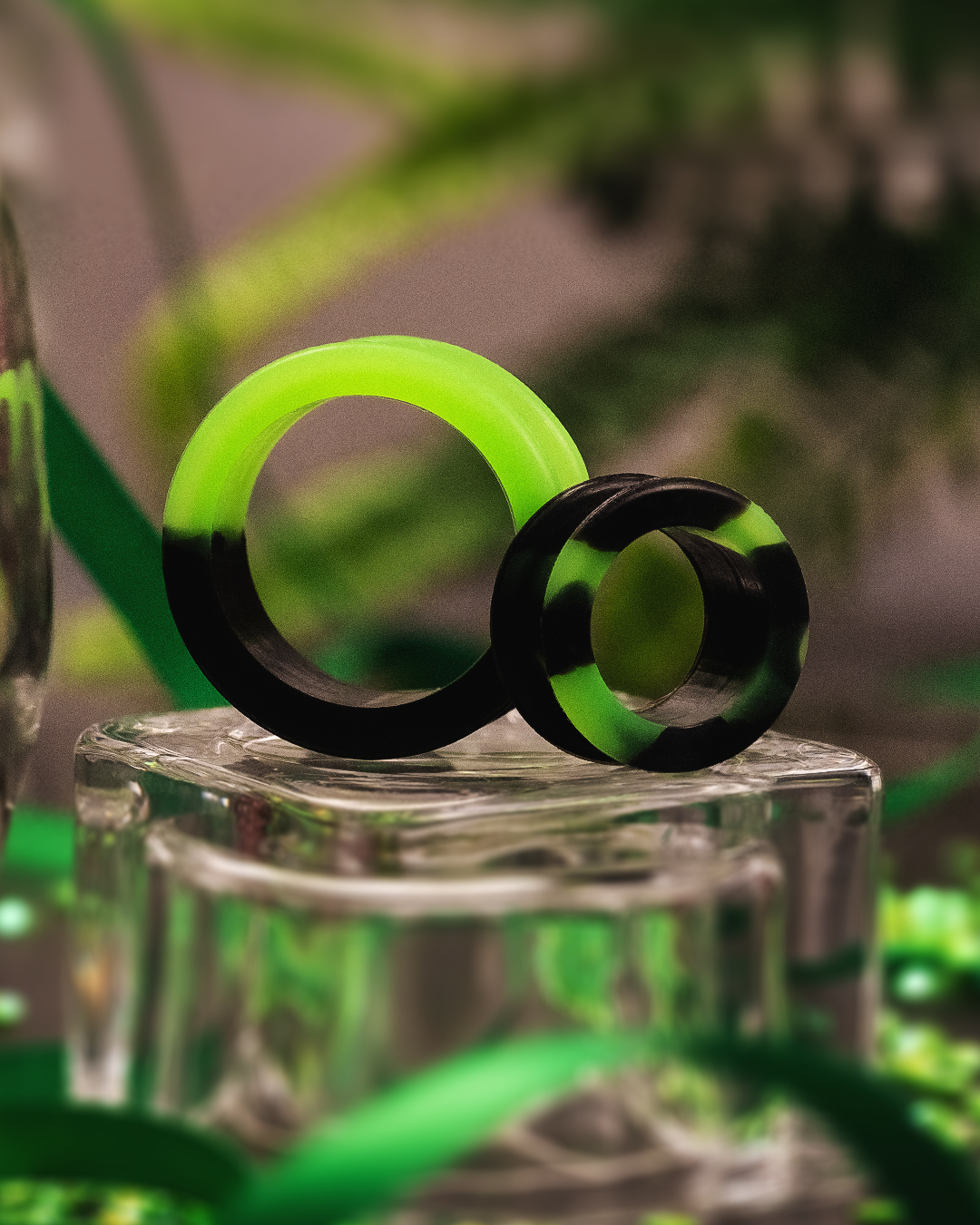
Neongrüner & Schwarzer Silikon-Ohrtunnel in Marmoroptik
ab
£6.00
NEU


Clear & Schwarzes Glas-Dead-Stretching-Set
ab
£15.99
NEU